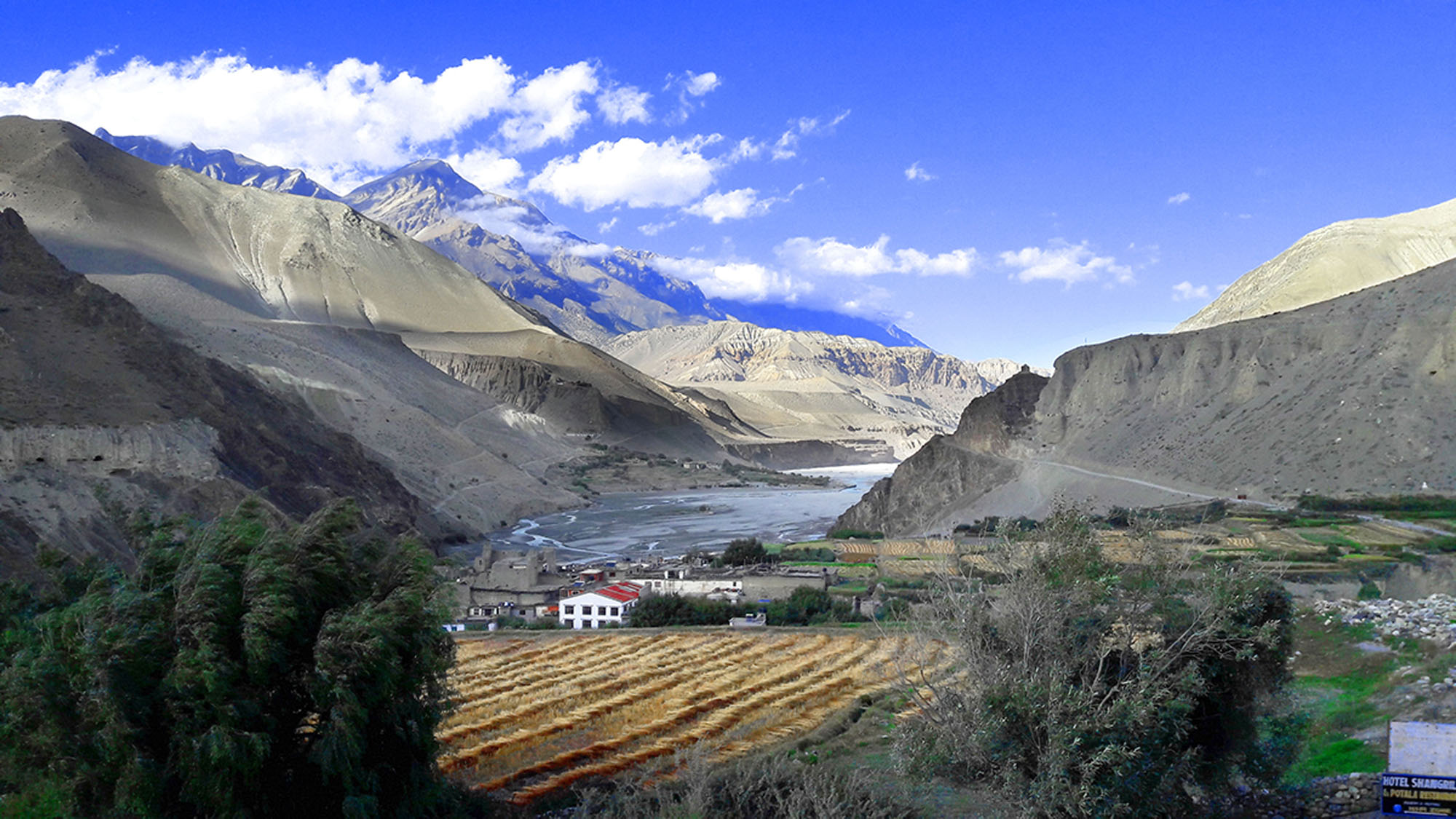
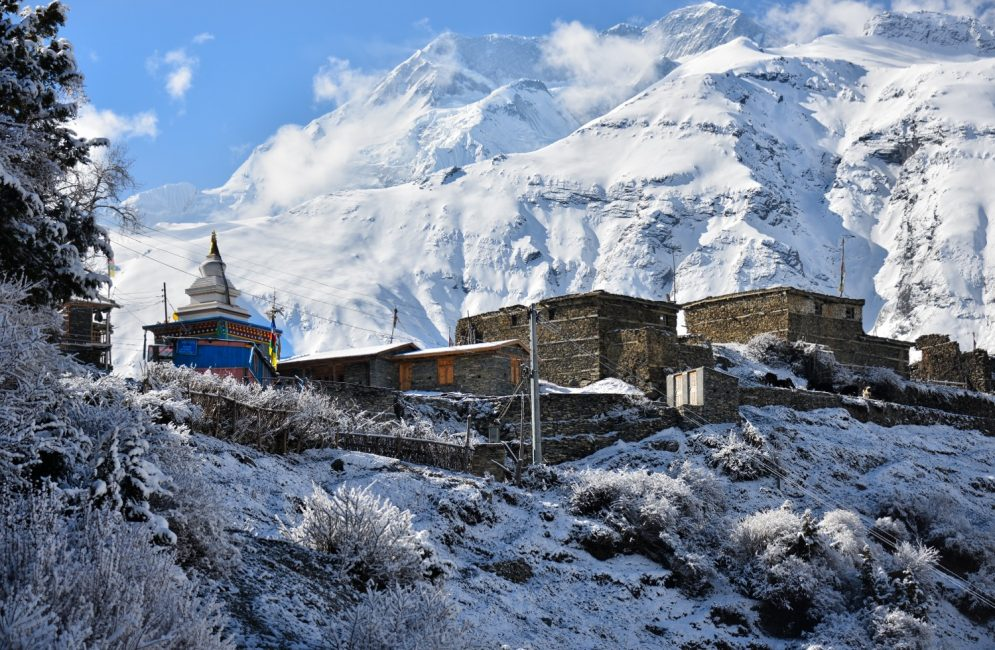
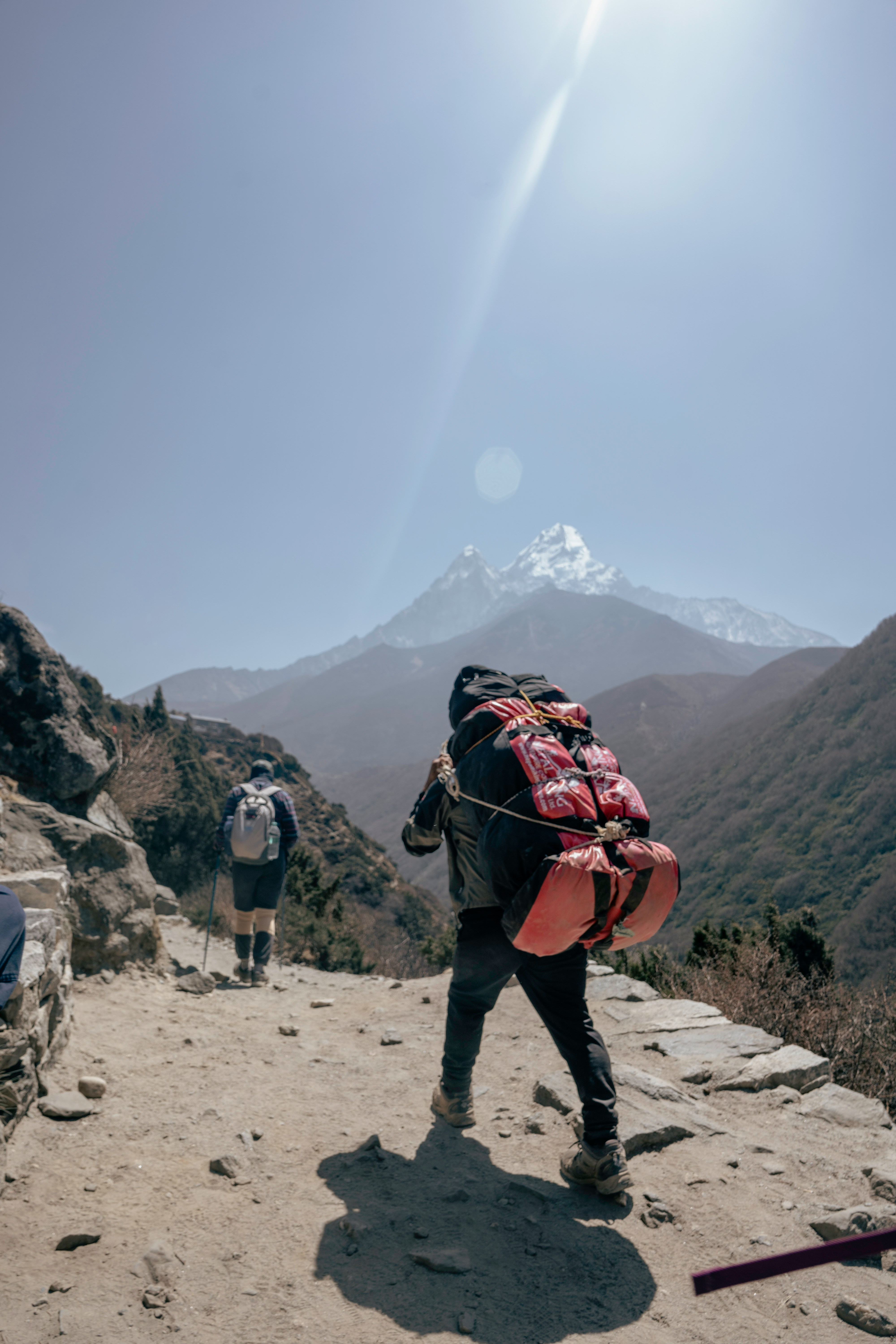
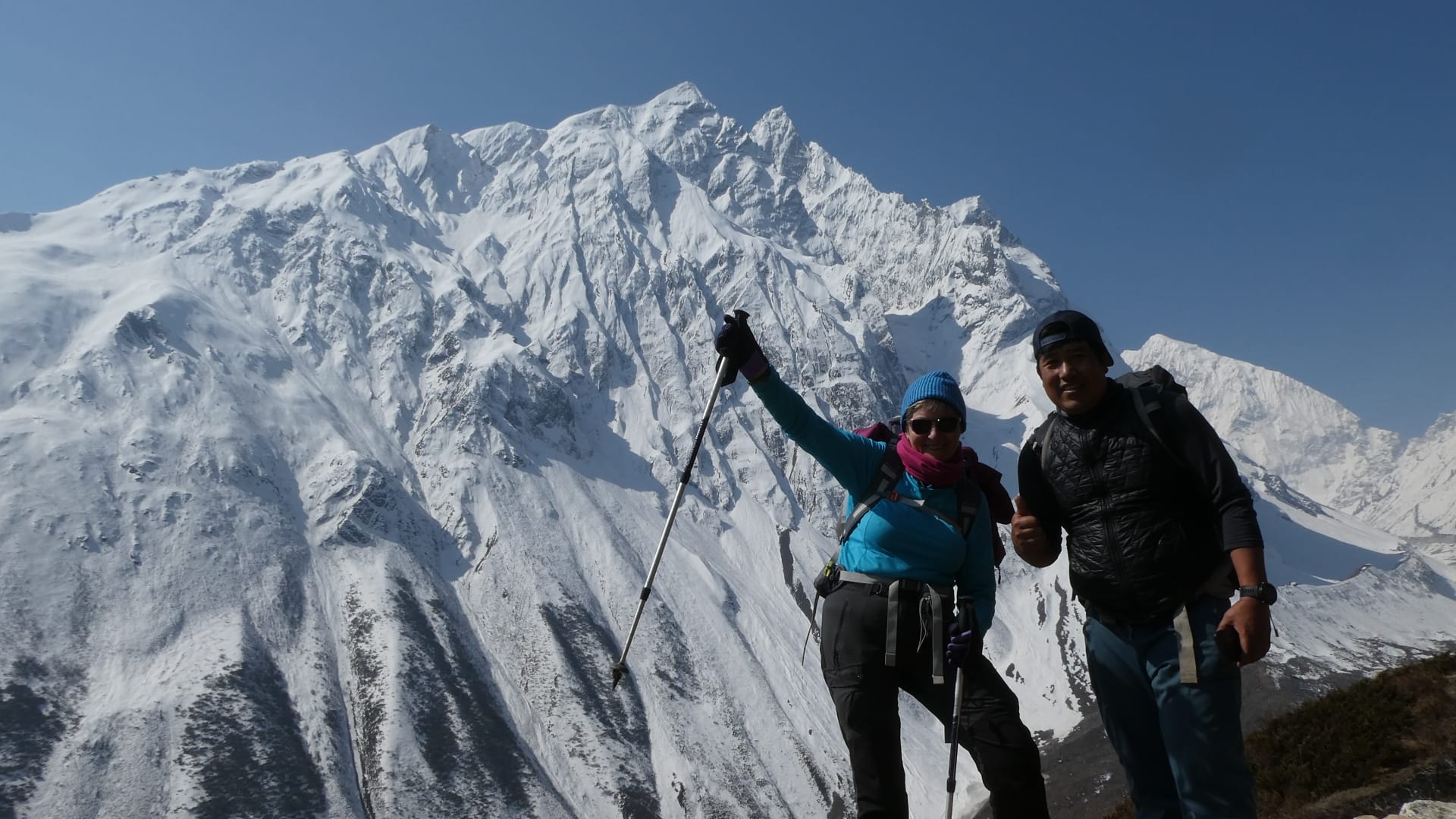
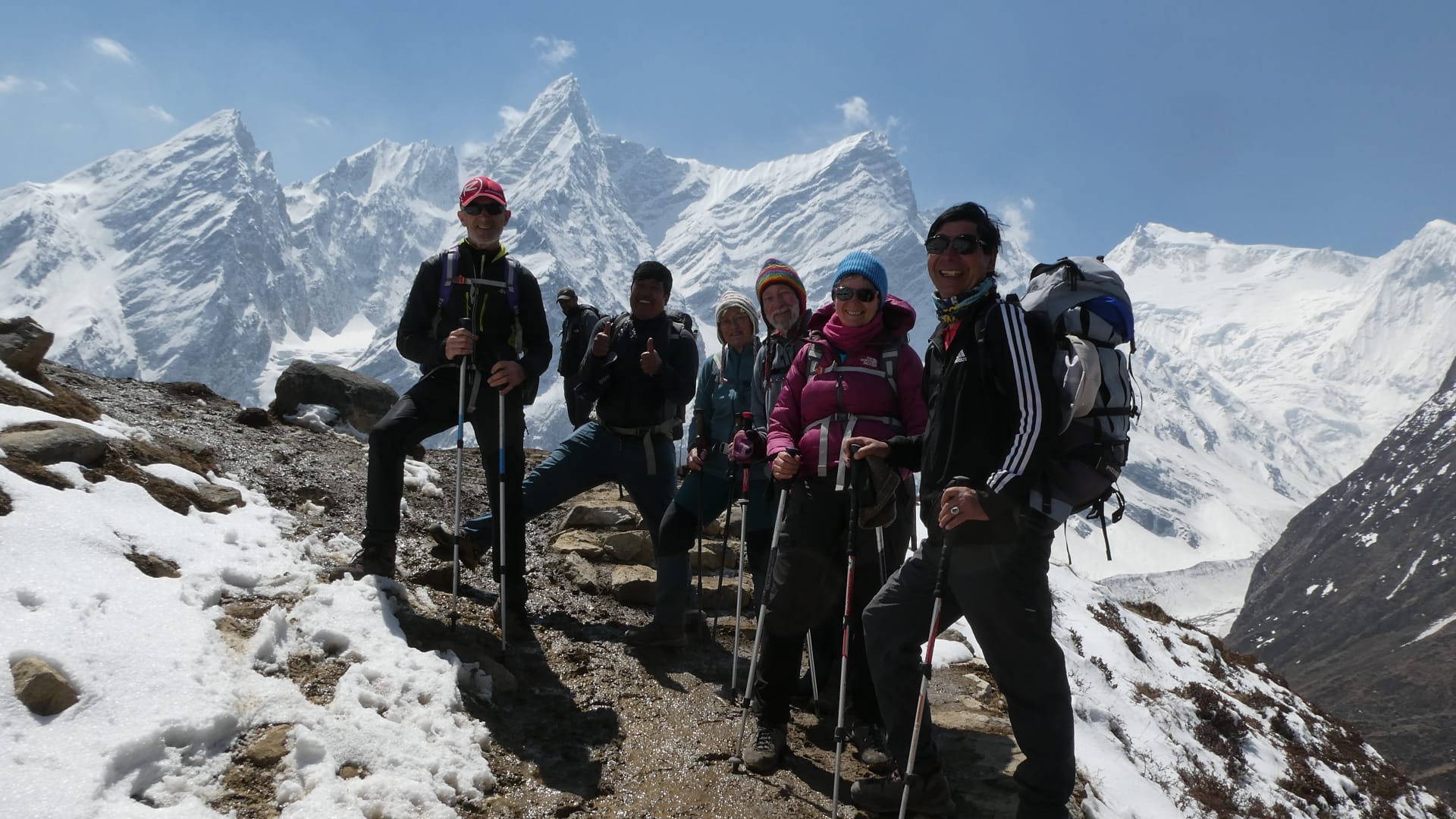
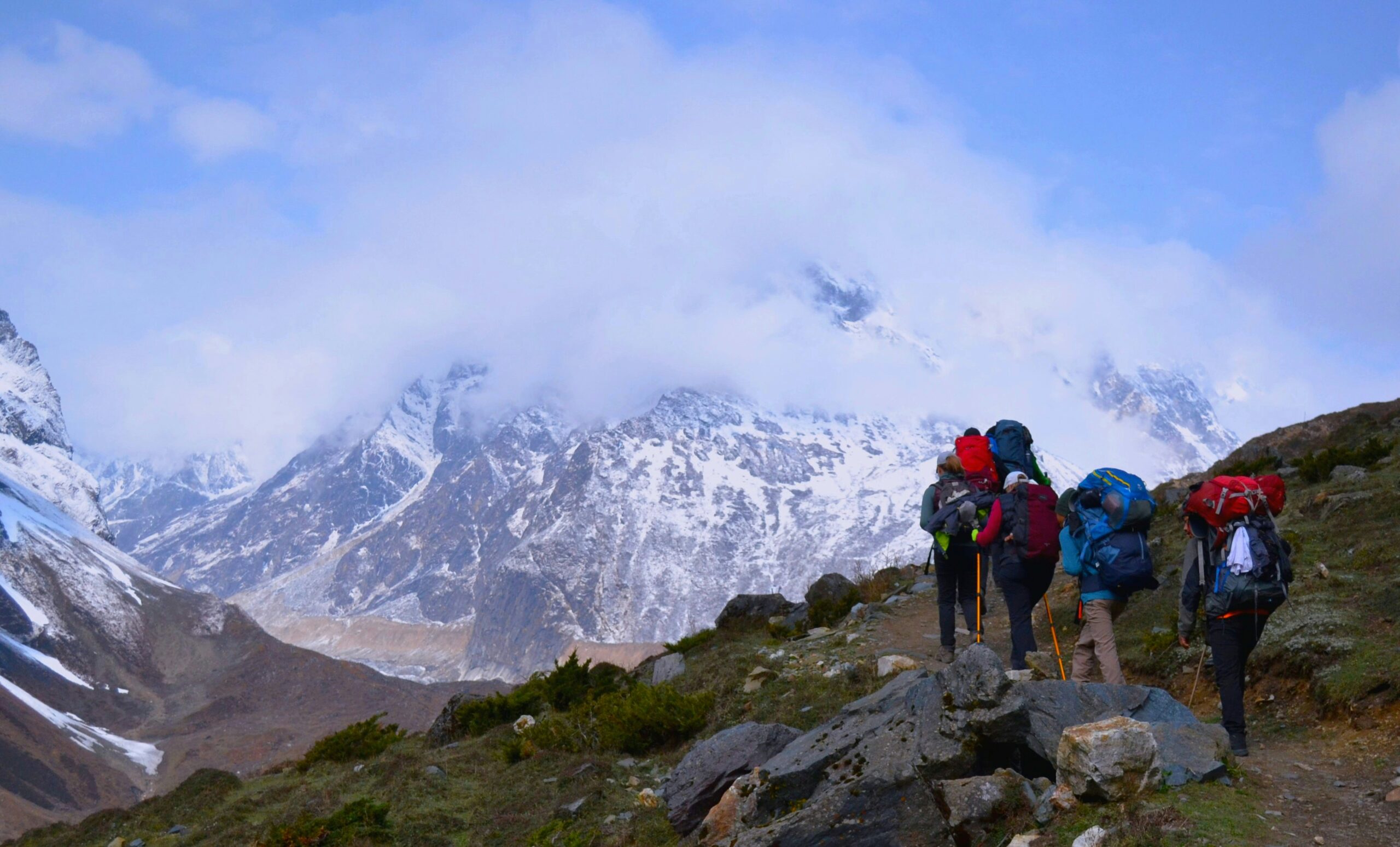
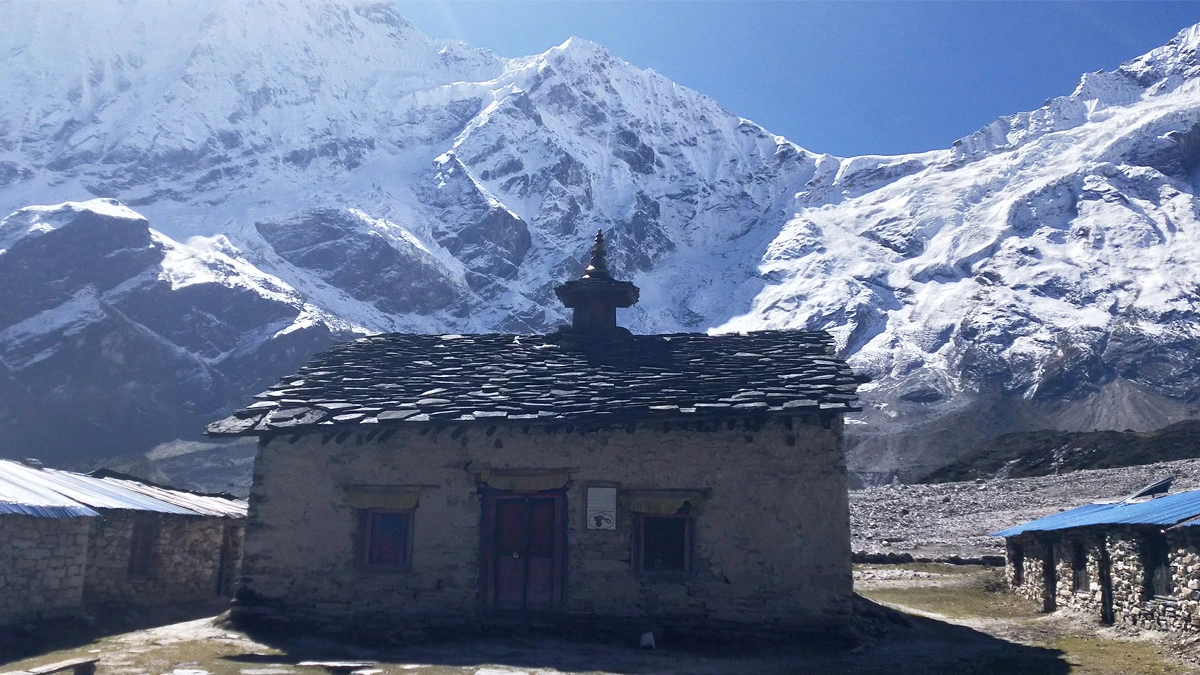
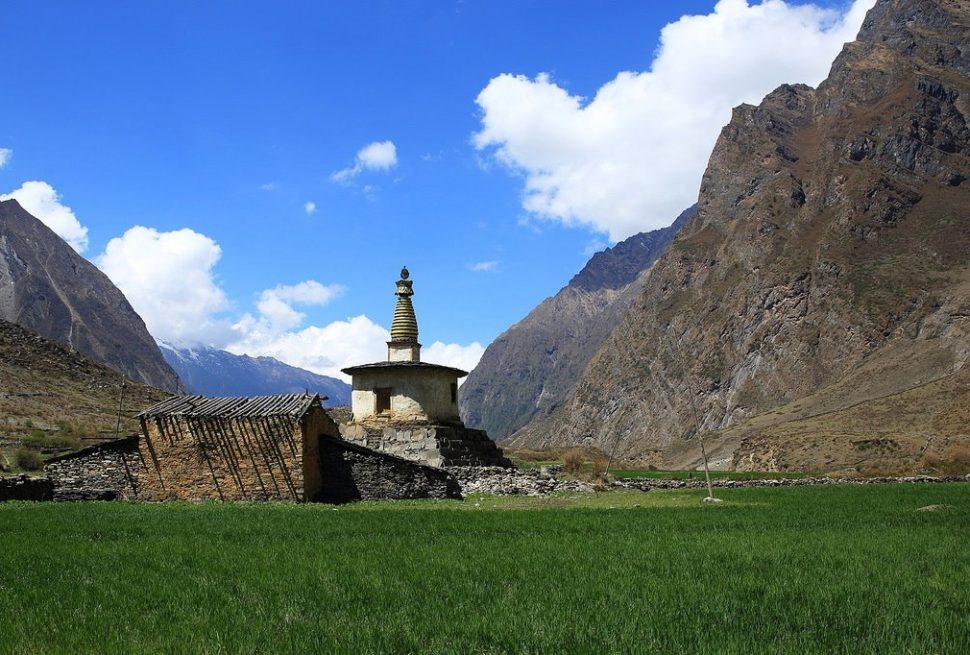
The Manaslu Round Trek is widely considered one of Nepal’s finest and most untouched Himalayan adventures, offering a remote alternative to the busy Annapurna trails. The journey follows the dramatic Budhi Gandaki Valley and crosses the challenging Larkya La Pass (5,106 m), rewarding trekkers with breathtaking mountain views and rich Tibetan-influenced culture in the Nupri region. As a restricted area, the trek requires a licensed guide and a minimum of two trekkers to secure the Manaslu round trek permits, including the Manaslu RAP, MCAP, and ACAP. The best time to visit is from mid-March to May for blooming landscapes or October to mid-December for clear Himalayan views, making it ideal for those seeking both adventure and authentic cultural immersion.
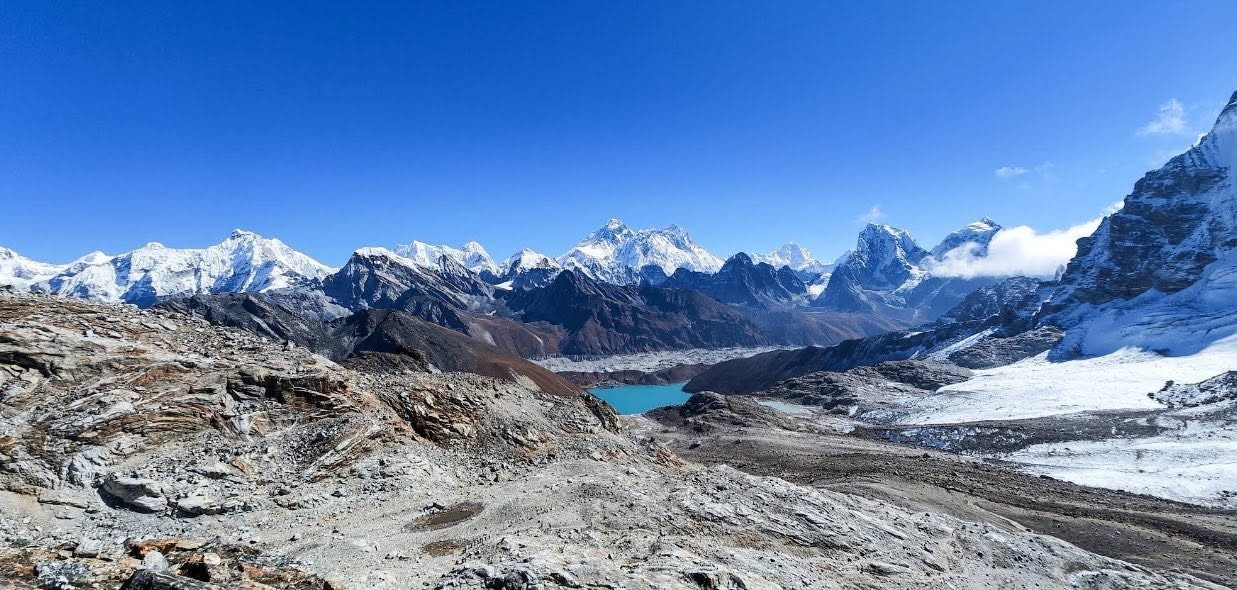
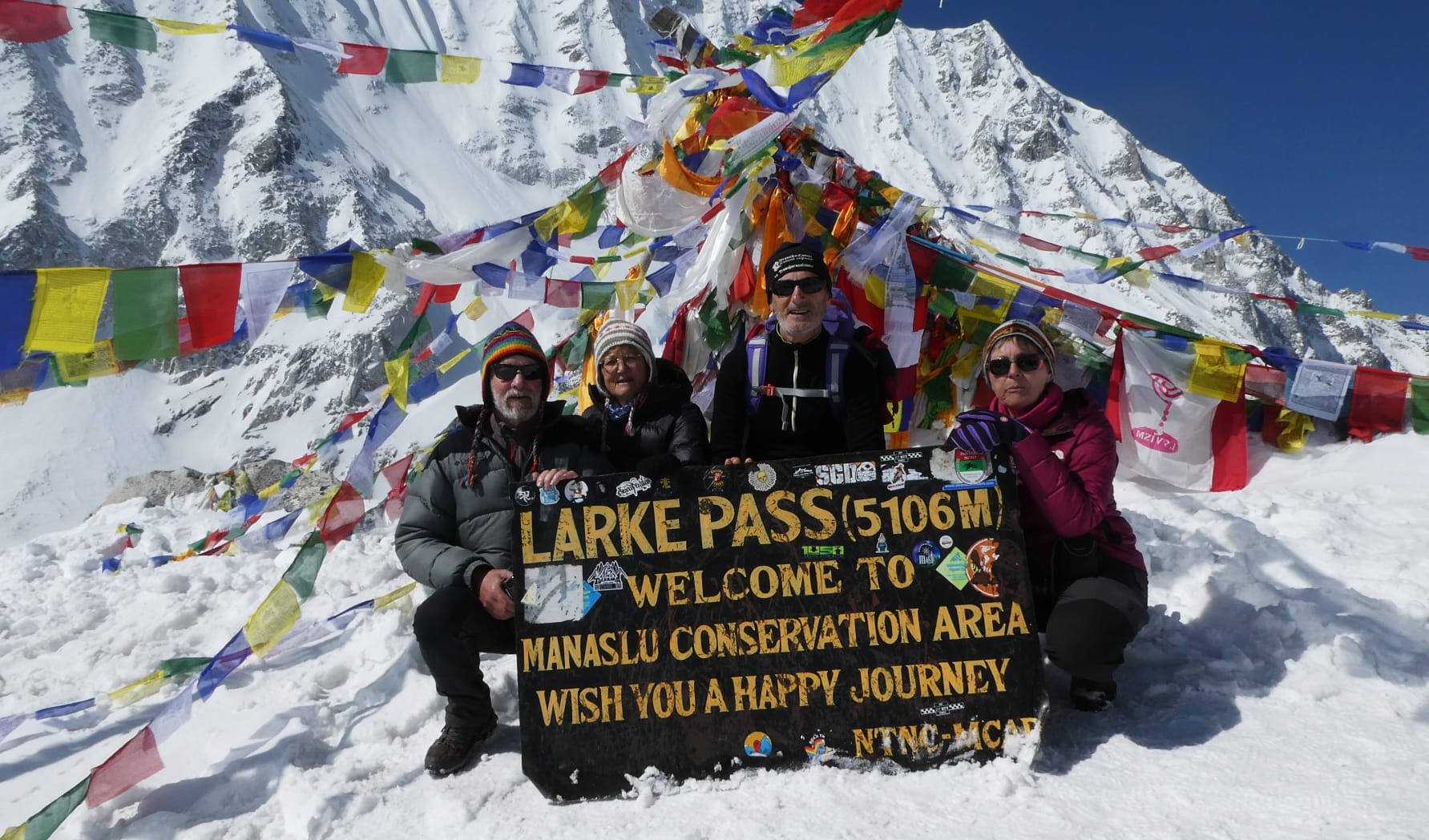
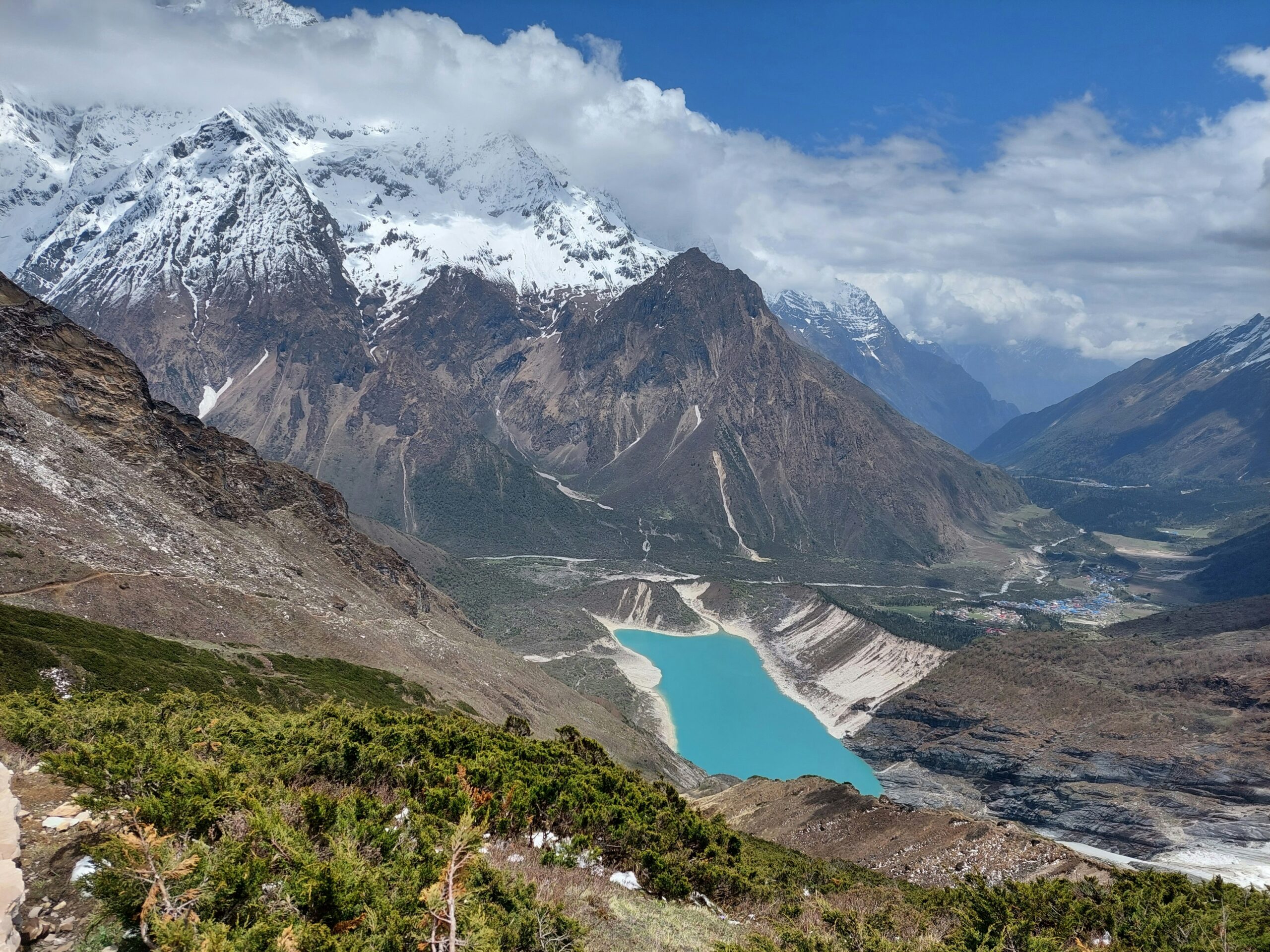
Crossing the Larkya La Pass (5,106 m): Reach the highest and most scenic point of the trek. Additionally, enjoy essential side trips to Manaslu Base Camp and the turquoise Birendra Lake.
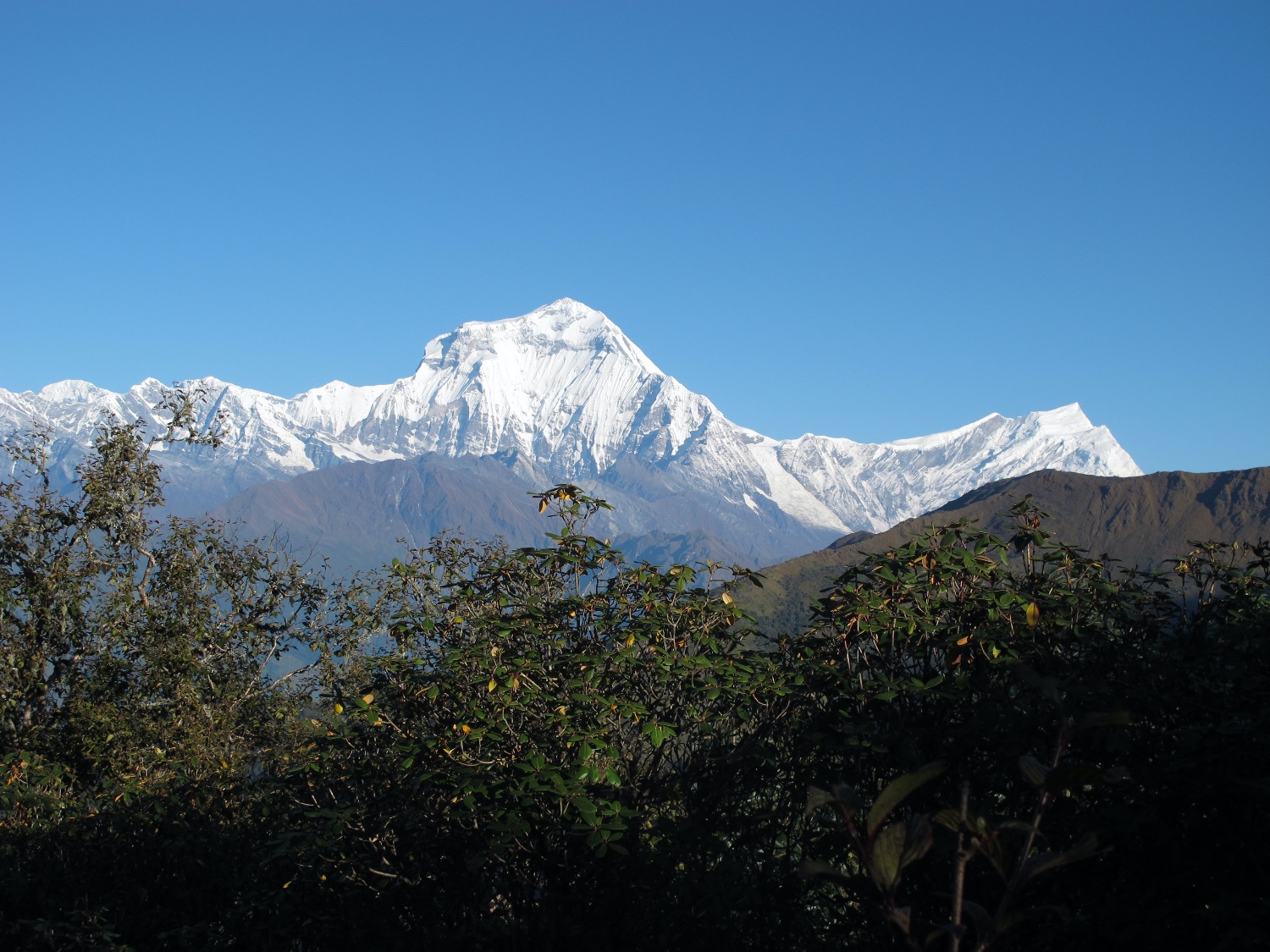
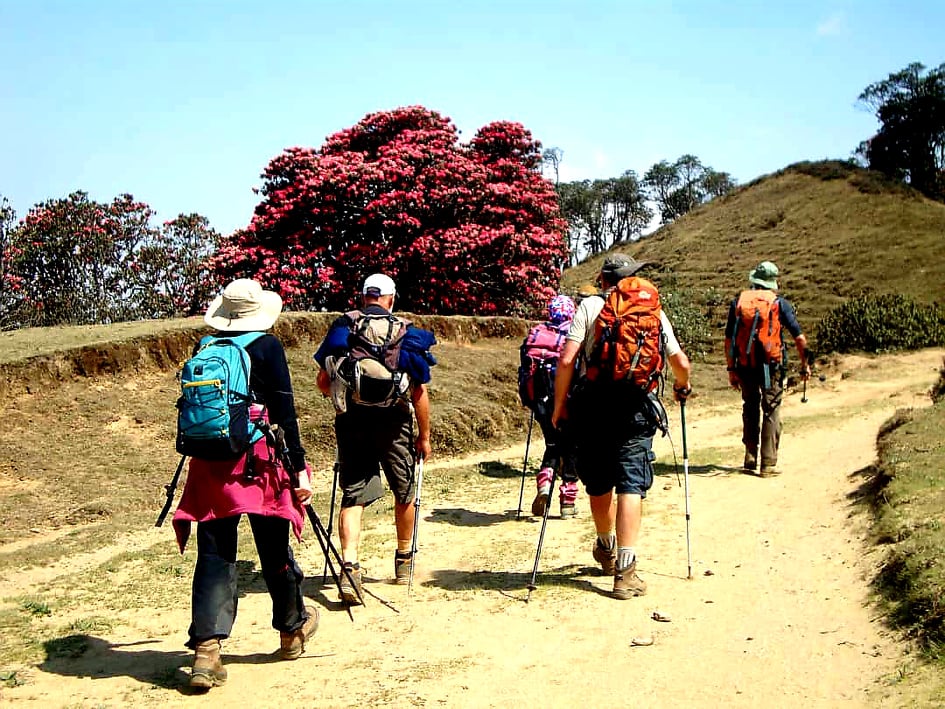
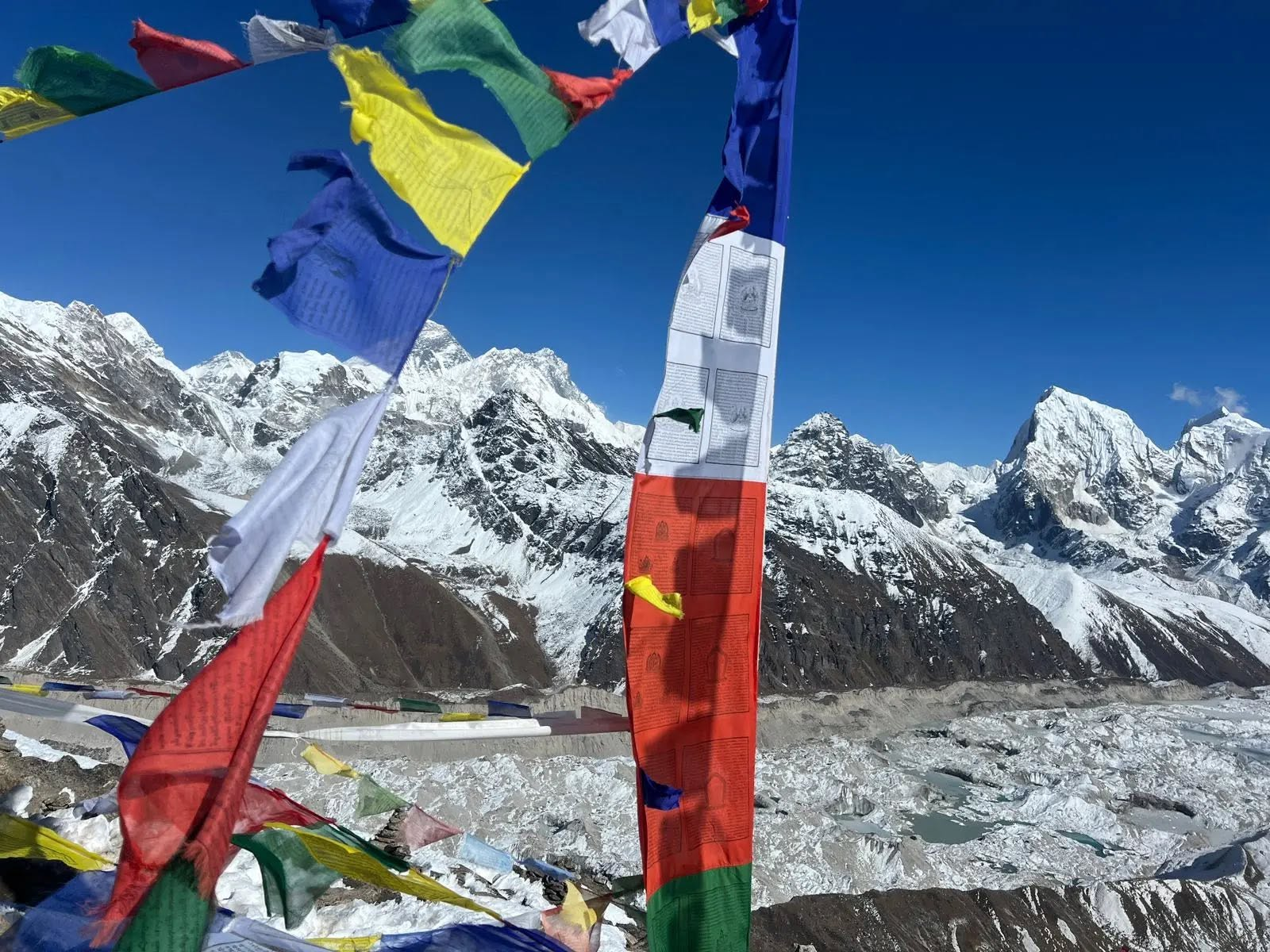
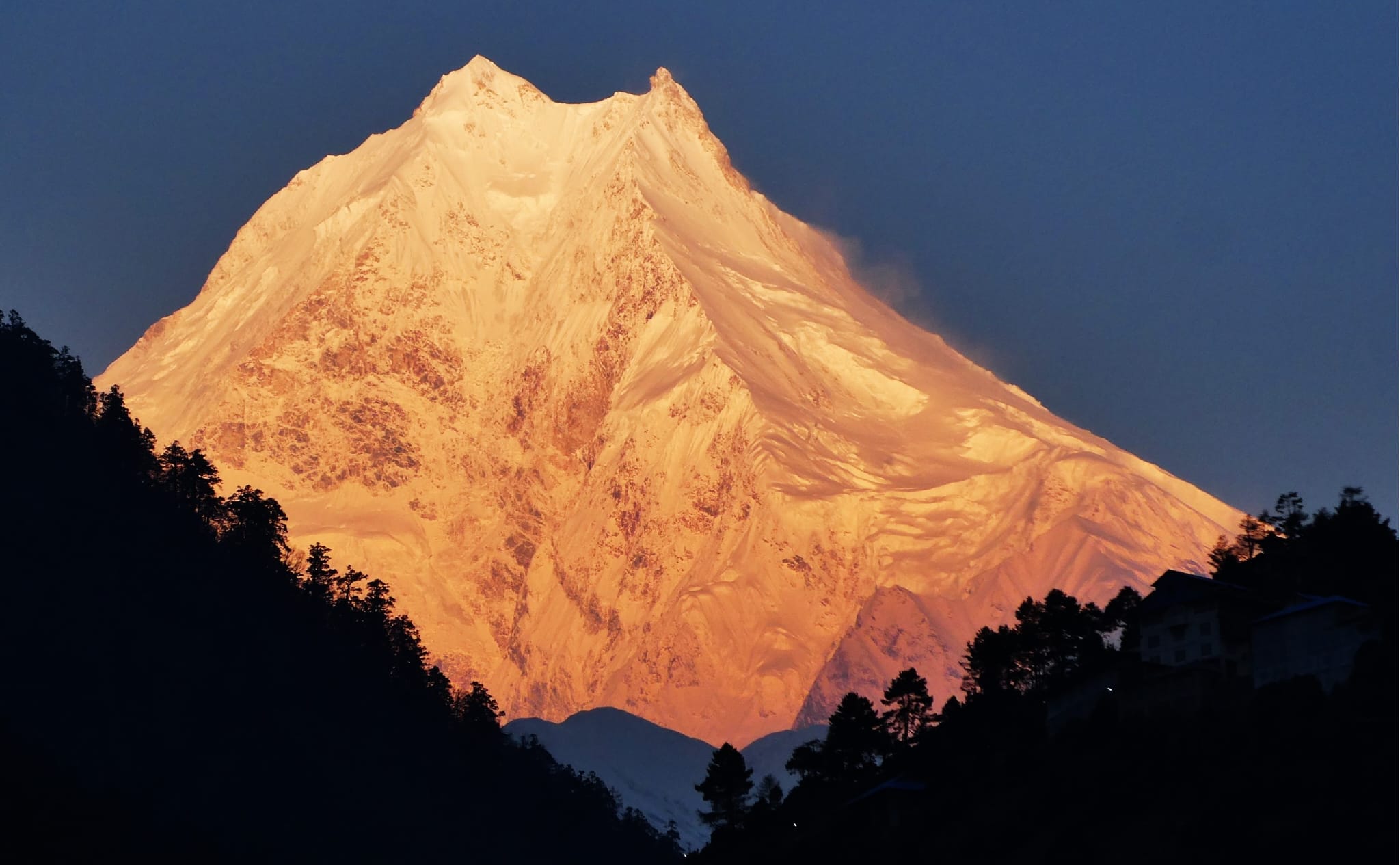
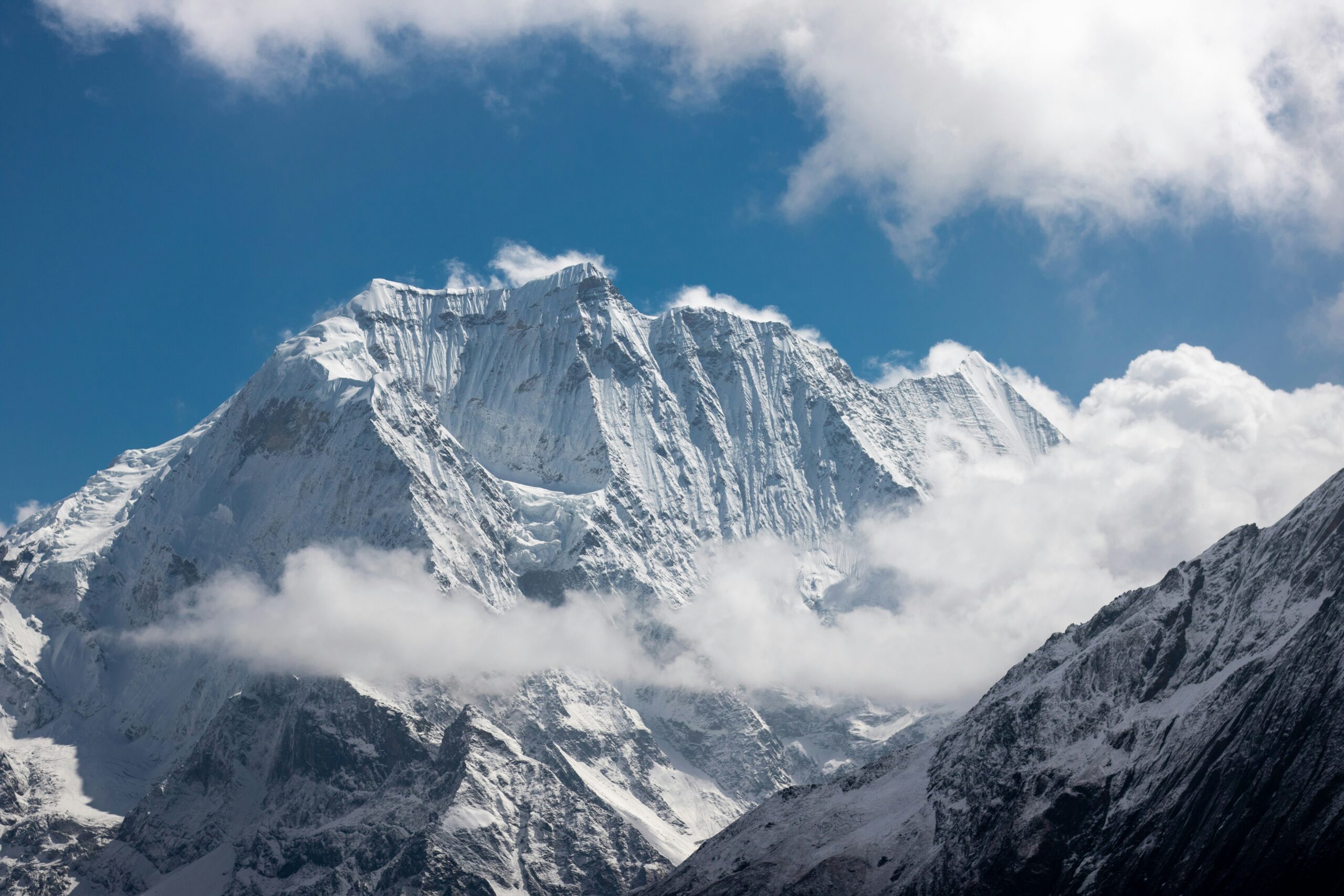
Stunning Panoramas: Witness breathtaking views of Mt. Manaslu, Himal Chuli, and Ngadi Chuli. Meanwhile, you will trek through beautiful rhododendron and juniper forests that line the trail.
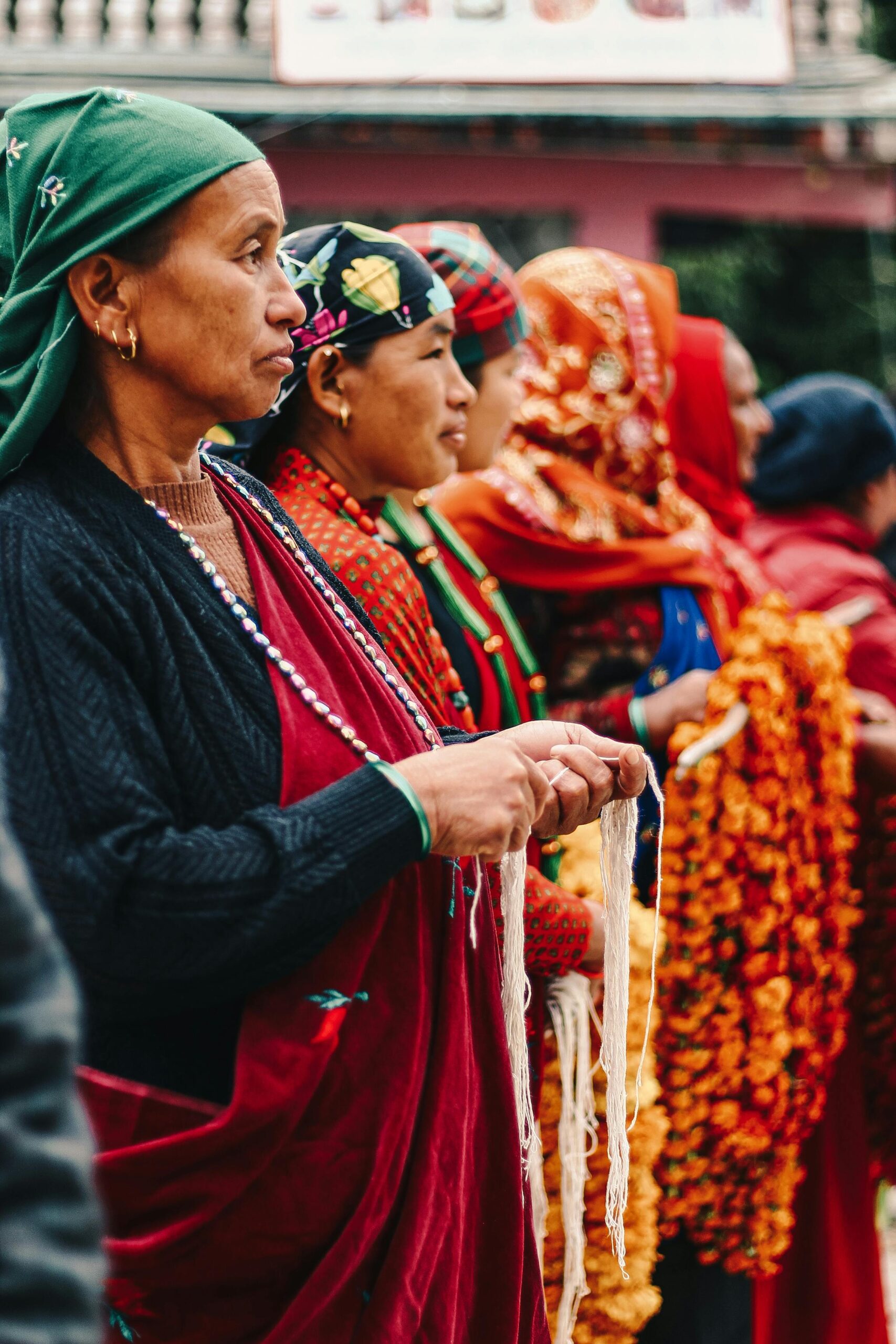
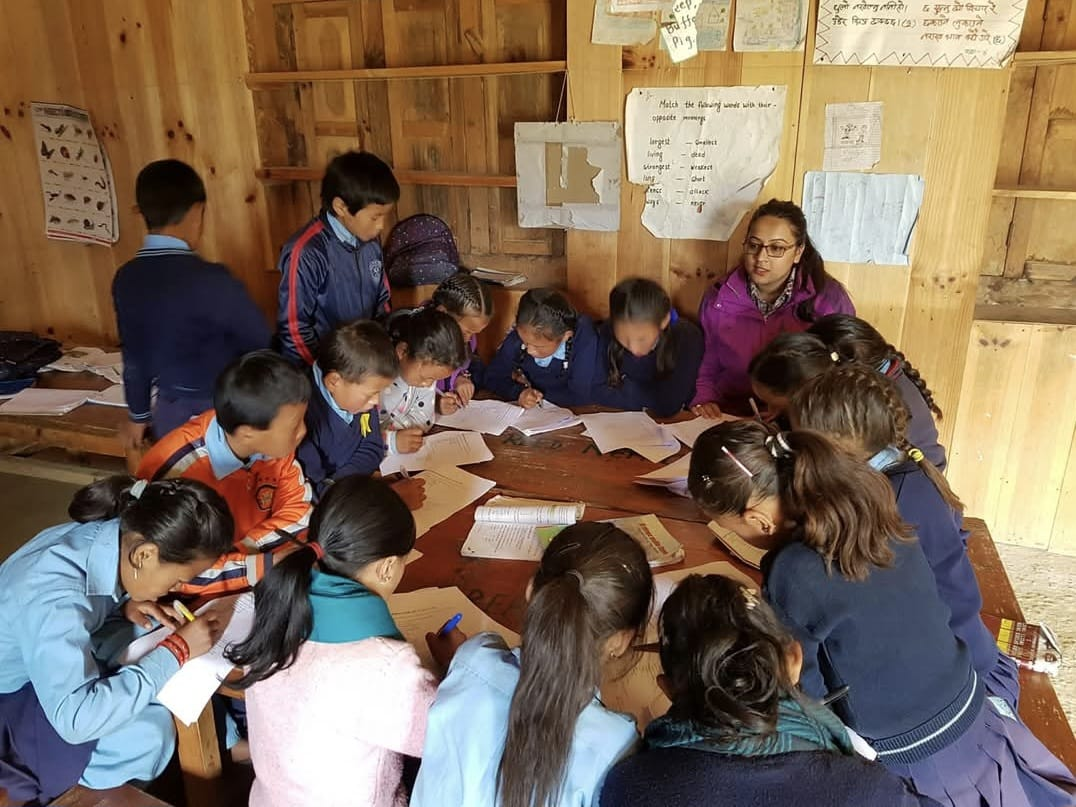
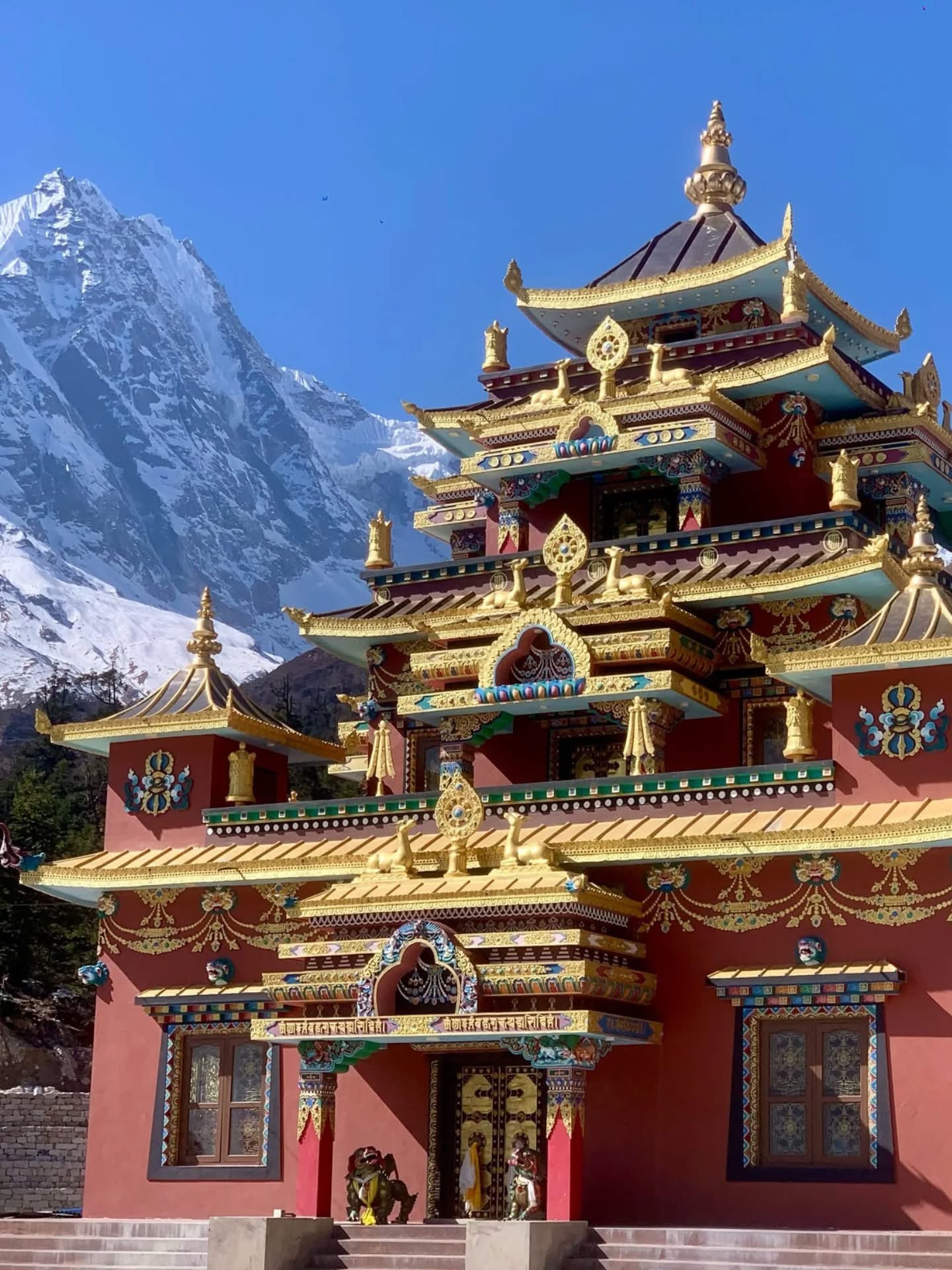
Cultural Immersion: Discover the authentic Tibetan-influenced culture of the Nubri and Gurung communities. Furthermore, you can explore ancient monasteries like Pungyen Gompa to witness a rich Buddhist heritage.
Protected Landscapes: Traverse the Manaslu Conservation Area, a protected zone dedicated to preserving Himalayan heritage.
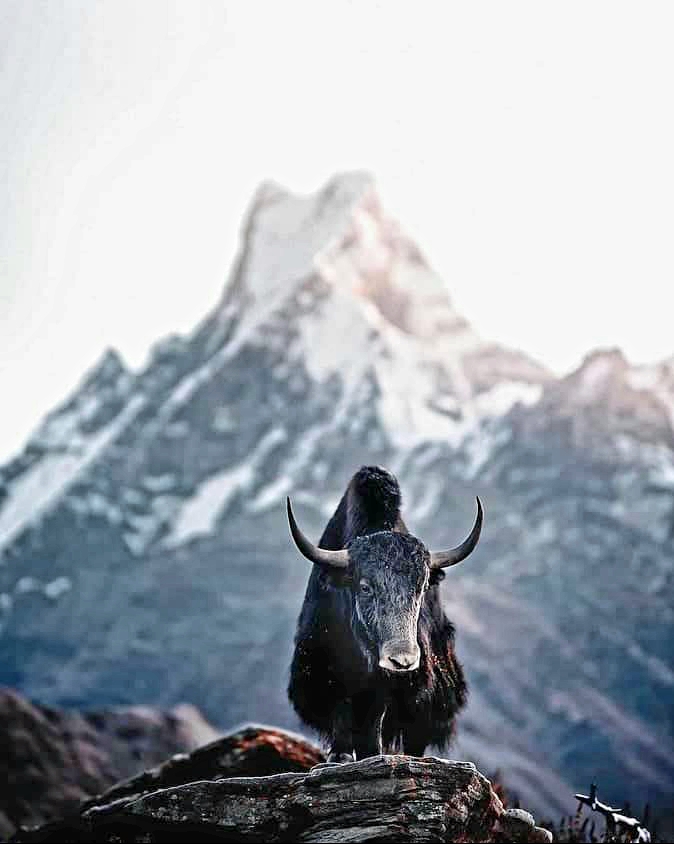
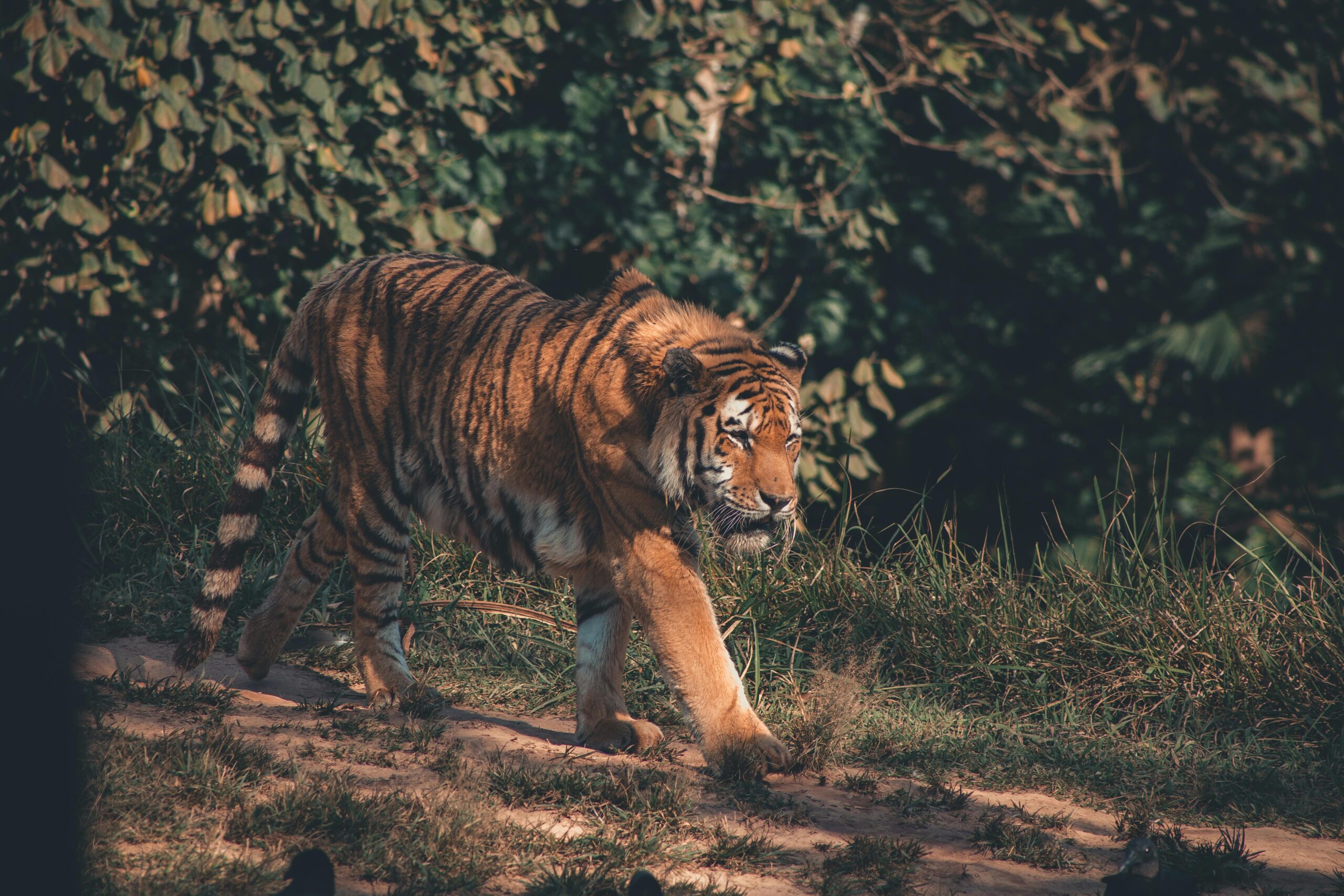
Rare Wildlife: The trail offers not only rich biodiversity—featuring blue sheep and Himalayan thar—but also spectacular scenery. Specifically, the path winds through lush forests, making the hike even more memorable.
Book your Manaslu Circuit 2026 with Dudhkunda Adventure Treks today and experience the Himalayas with the experts.
Upon arrival in Kathmandu, the capital city of Nepal, our representative will warmly welcome you and transfer you to your comfortable hotel as per our service.
The trek starts by taking an early drive through local bus or by jeep from Kathmandu to Sotikhola, which takes about 7 to 8 hours. Along the way, we will cross the beautiful village called Arughat. During the drive, we will enjoy the stunning views of Nepalese countryside villages along with the mountain sceneries. Our first night will be spent in Sotikhola.
The destination of our third day will be Khorlabesi (930m). The trail goes along with Budhigandaki river. We can enjoy the waterfalls during today’s hike. After 3 hours of walk, we will stay for lunch at Lapubesi a Gurung village and trek continues toward the narrow suspension
bridges.
Again after 3 hours of trek, we will reach Khorlabesi and spent overnight there in teahouse.
The fourth day begins with the trails that dropdown. Along the way, we will walk through the lush tropical vegetation and pass a small waterfall. From where we can see the fantastic view of Ganesh Himal.
After crossing some small wooden bridges and suspension bridges over the Budigandaki river and we will reach Jagat (1340m). It will take us 7 hours to reach Jagat from
Khorlabesi.
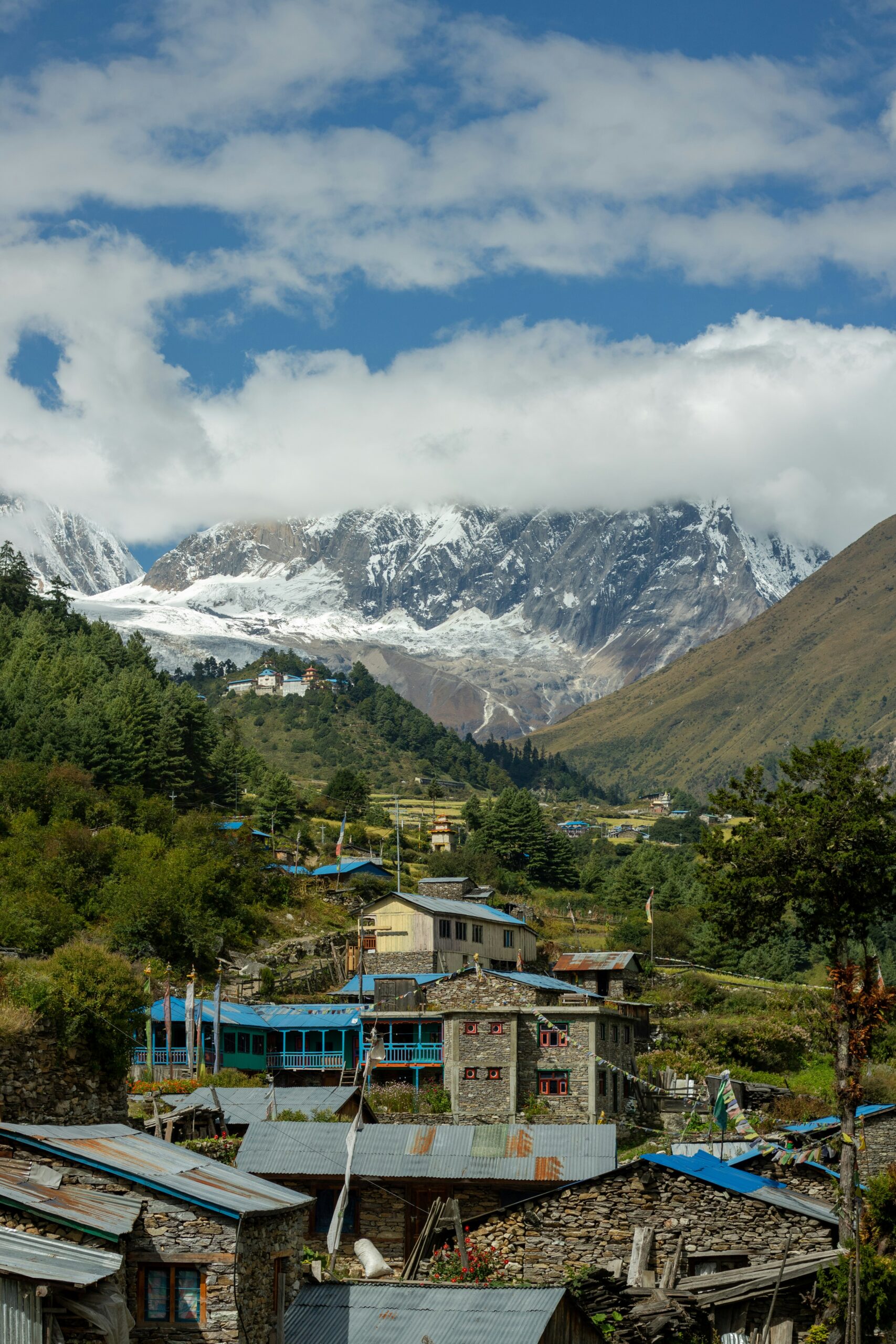
The fifth day of our trek ascends with the gently climb above the high river. Along the way, we will cross the beautiful village with stupas of Buddhist culture. On the way, we cross the big metal bridges some beautiful tropical forests dominated by bamboos.
After some uphill trekking, we ascend to 1600m Deng.
On the sixth day, we walk through the traditional Buddhist and Tibetan villages. On the way, we can also see the beautiful view of Sringi Himal from the village viewpoint of Prok. It will take 7 hours to reach Namrung (2630m).
This day will start by exploring the Tibet-influenced typical lifestyle you will walk several mani walls, lush terraces, and houses through Banjam to enter the fir, rhododendron, and oak forests before climbing to Lii and then to Sho. On this day you will quite gain a high altitude, so you must walk slowly and check the body signs. It will take us 4 to 5hrs to reach Logaun.
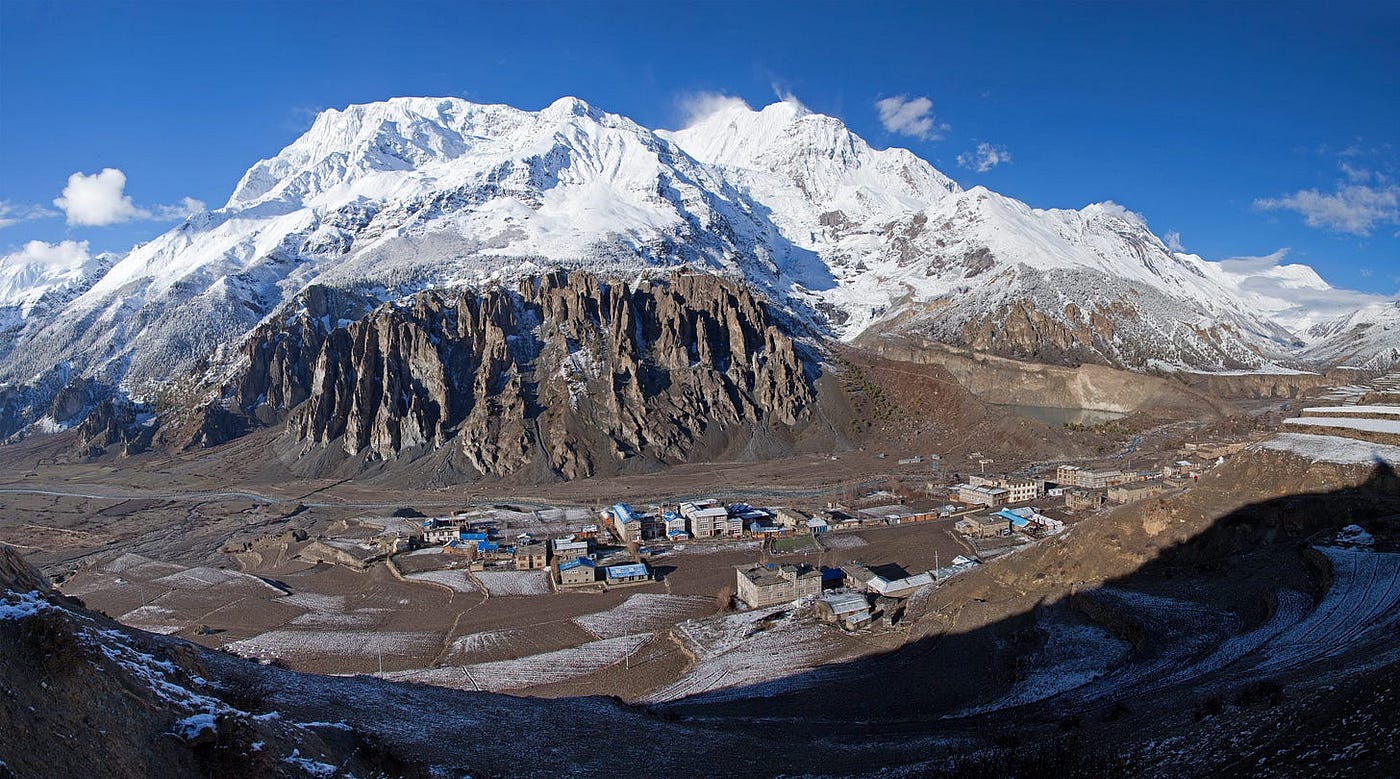
The next morning, you will start with the short trek due to the altitude reasons. On walking the picturesque view of Mt. Manaslu accompanies you. After the 4hrs of the trek, you will reach Samagaun(3540m).
Samagaun is the principal village of Nubri people which holds the large gompa, many shops, a health post, heliport and a telephone/wifi access, etc.
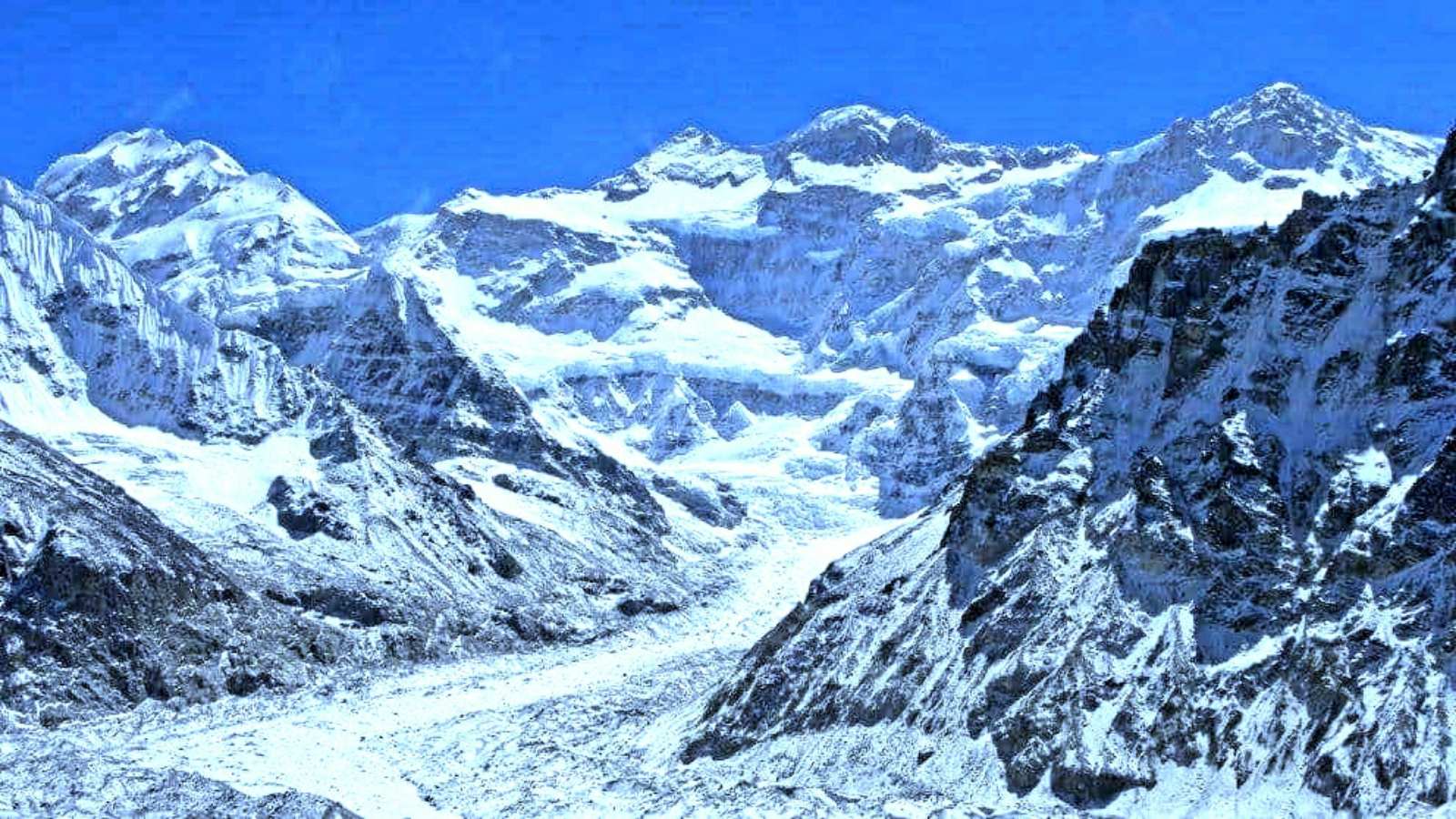
Today we have a comfortable day. We will gradually trek uphill to Samdu(3865m) along the deserted trials of the windy valley. Today trek is for just 3 to 4 hours. We can see the stunning views of Mt. Manaslu, Nagdu Chuli, Manaslu glacier, Manaslu ice fall, and several other majestic
peaks from Samdu.
On the 10 th day, we continue our walk towards uphill by crossing the wooden bridges over the Budi Gandaki river. The highest point we will reach today is Larkhepedi(4460m).
The short walk of 4/5 hours also gives us time for acclimatization.
There are a lot of reasons to be excited today. We will be reaching the highest altitude of our entire Manaslu trek today. From Larkhephedi we will do a short hike till Larkhe glacier. The areas around the glacier offer beautiful views of Larkhe peak. As we trek further the pass will keep on getting steeper until we reach Larkhepass at an altitude of 5106m. From where mountain peaks such as Annapurna ii, Himlung Himal, Cheo Himal can be seen. We will take time and enjoy the view from Larkhepass then we will reach down to Bimthang where we will spend the night.
We will descend further down through beautiful pine forests as well as rhododendron and bamboo. We will walk for 5 to 6 hours today until we reach Goa. We get an impressive view of Mount Manaslu and Annapurna II along the way.
From Goa, we will continue our stroll towards Dharapani and continue to Tal. Tal, which was once a big lake, is now a village.
This is the second last day of our trip, moving back towards Jagat via Besisahar.
Today is the last day of our trek. We will take a drive from Besisahar to Kathmandu. It will take approx 6 to 7 hours to reach Kathmandu.
As the journey ends you will depart as we wish the best for your future endeavours.
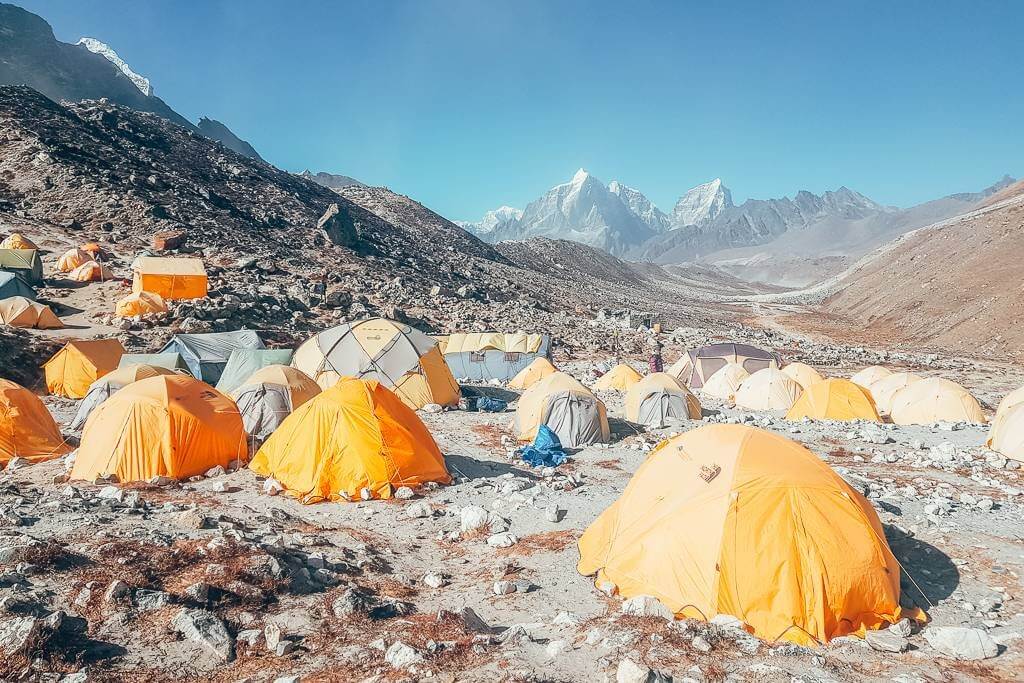
This tour includes a 3-star hotel in Kathmandu within walking distance of Thamel or near Boudhanath and tea house accommodation during the trek. Tea houses are basic but comfortable and provide a simple, authentic mountain experience with limited facilities in remote areas.
Most nationalities require a visa to enter Nepal, which can be obtained either in advance
or upon arrival at the airport. Current visa on arrival fees are as follows:
All visa types are multiple-entry. European passport holders can pay in the Euro or
Pound Sterling equivalent. Visa on arrival payment must be made in cash (USD, EUR or GBP).
You will need one passport-size photo. Upon arrival, fill out a visa application
form either manually or using the electronic visa registration kiosks (for e-passports).
First, pay the visa fee at the designated counter, then proceed to immigration for your
visa stamp. Queues can be long, so it is recommended to prepare in advance or
consider an e-visa to save time.
Important exceptions
PERMITS UPDATES
The latest update for Manaslu Circuit 2026 permits makes the region more accessible than ever. In fact, as of March 2026, authorities have removed the requirement of a minimum of two trekkers. This means solo trekkers can now legally apply for the Manaslu Restricted Area Permit on an individual basis.
Mandatory Guide Requirements
While solo permits are now available, the government still prohibits entirely independent trekking. Therefore, the regulation requiring a licensed Nepali guide remains strictly enforced. All trekkers must travel with a professional guide arranged through a registered agency. For instance, Dudhkunda Adventure Treks provides expert guides to ensure your safety, especially when crossing the challenging Larkya La Pass.
Conservation Permits
In addition to the restricted area permit, trekkers must obtain conservation permits for both the Manaslu and Annapurna regions. These fees directly support environmental protection and sustainable tourism. For official updates, you can check the Nepal Immigration website directly.
There are no mandatory vaccination requirements for travel to Nepal. However, travelers are advised to ensure recommended vaccinations such as Polio, Tetanus, Diphtheria, Typhoid and Hepatitis A are up to date. Malaria risk is limited to certain low‑lying regions, including areas such as Chitwan; travelers visiting these areas should seek medical advice as needed. Dengue fever is present in some regions and is spread by daytime‑biting mosquitoes. As there is no routine vaccine or preventive medication for dengue, avoiding mosquito bites is the primary form of prevention. Many treks take place at high altitudes, where there is a risk of Acute Mountain Sickness (AMS); while itineraries allow for acclimatization, symptoms can still occur and should be taken seriously.
Depending on your meal plan, breakfast is included throughout the trip. On trekking days, breakfast is provided as a set menu featuring local, high‑energy foods such as Tibetan bread, eggs, seasonal fruit and tea or coffee. Any additional items must be ordered and paid for separately. Lunch and dinner are not included at the same teahouses, giving you the flexibility to choose from lodge menus, which generally offer a good mix of local dishes like dal bhat and simple international food. We recommend avoiding meat on trek due to hygiene and storage concerns. Please note that imported food and drinks are more expensive on the trail.
Staying well hydrated is essential when trekking, especially at altitude. Plan to drink 3- 4 liters of water per person per day.
To help reduce plastic pollution in Nepal’s trekking regions, we strongly discourage buying bottled water.
All teahouses can provide free cold water on request, but it must be treated before drinking. We recommend carrying a reusable bottle with a wide opening (e.g. Nalgene) and using a SteriPEN to purify your water. SteriPENs use UV light, are lightweight, battery powered, quick to use, and highly effective. They can be used on non‑boiled water as long as it is clear (which is usually the case). Most bottled water in trekking areas is UV‑treated anyway, making this the same technology without plastic waste.
Alternatively, teahouses sell boiled water for approximately Rs 150–300 per litre, with prices increasing at higher altitudes. This does not require treatment and is ideal for evening use, as it can also serve as a hot water bottle overnight.
While camping, boiled drinking water is provided.
Nepal’s main trekking season is October to mid‑May, offering generally clear skies, stable conditions, and comfortable walking temperatures.
Temperatures
Trekking Seasons
Autumn (Mid‑September – November)
The best trekking season with clear skies, sunny days, and excellent mountain views. Nights at higher altitudes can fall to –10°C or lower.
Spring (March – May)
Warmer overall, especially at lower elevations (up to 35°C in Kathmandu). Some afternoon haze, but popular for blooming flowers and longer days.
High Altitude & Summit Conditions
Snow is possible on any trek. Summit days start very early (around 2:00 am) and can be extremely cold, with temperatures as low as –25°C including wind chill. Strong winds may occur.
Mountain weather is always unpredictable, so proper clothing and flexibility are essential.
ass=”uk-grid tm-grid-expand uk-margin-large-top uk-margin-remove-bottom”>
</li>
</li>
</li>
</li>
</li>
</li>
</li>
</li>
</li>
</li>
g
Socks x 5
x 2