Everest Base Camp Trek - Dudhkunda Adventure Treks

Everest Base Camp Trek

Duration: 15 Days/14 Nights
  • Trip Duration

    15 Days/14 Nights

  • Group Size

    2-10 People

  • Maximum Altitude

    5,364 meters

  • Trip Difficulty

    Moderate to Challenging

  • Activities

    Trekking, Hiking, Cultural Exploration

  • Best Months

    March–May and September–November

  • Trip Start & End

    Kathmandu - Everest base camp

  • Meals

    BLD

  • Accomodation

    Teahouses

Introduction

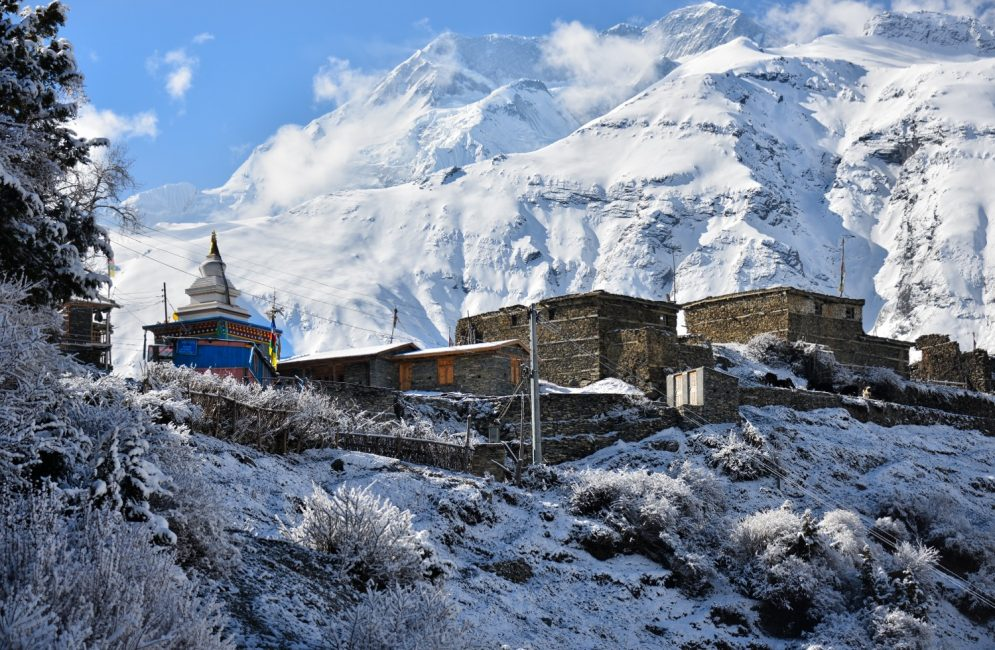
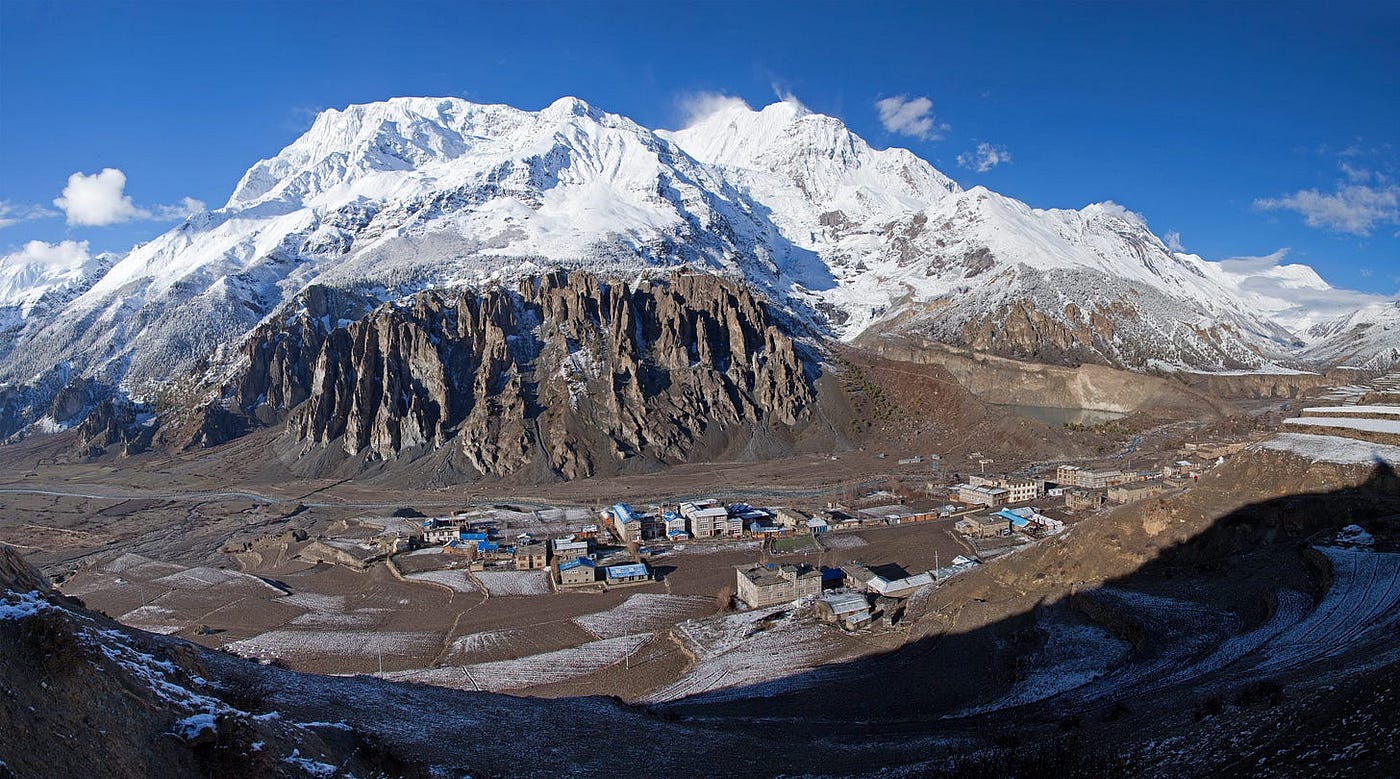
Everest Base Camp Trek is a journey that beckons adventurers’ and wanderers’ hearts. It is nestled in the heart of the awe-inspiring Himalayas. Likewise, this journey promises an unforgettable blend of breathtaking scenery, challenging trails, and a glimpse into the indomitable human spirit. In contrast, the allure of Everest Base Camp lies not only in standing at the foot of the world’s highest peak but also in the journey itself. A trek through picturesque Sherpa villages, ancient monasteries, and lush rhododendron forests, all set against towering, snow-capped peaks.

Everest Base Camp Trek Highlights

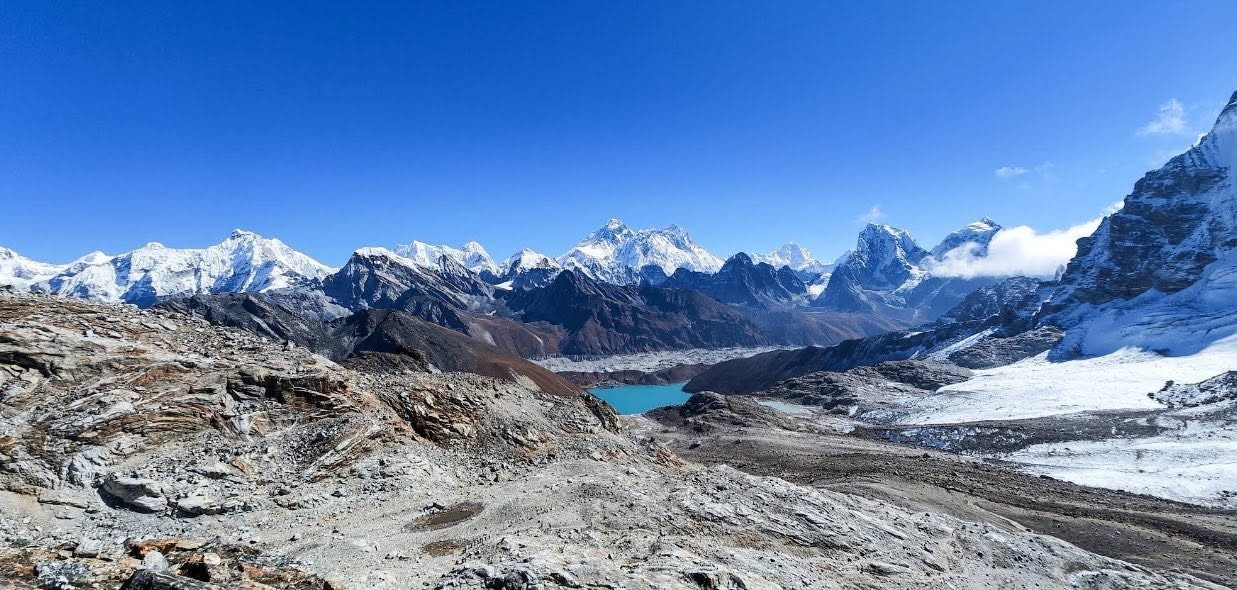
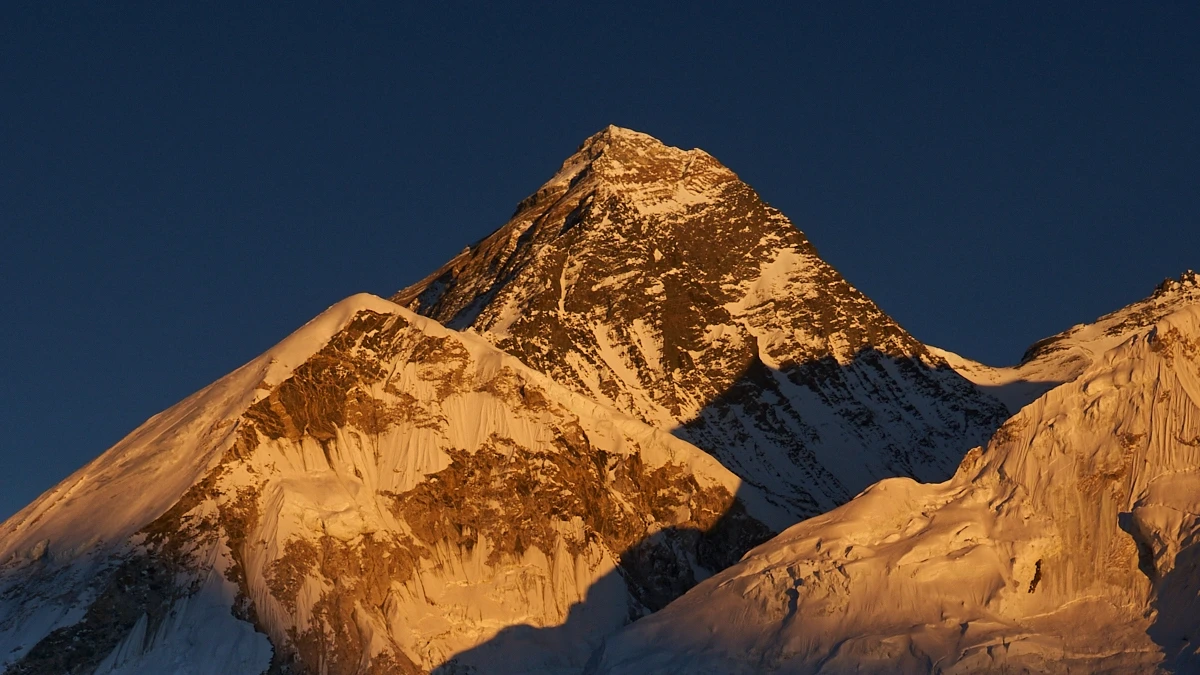
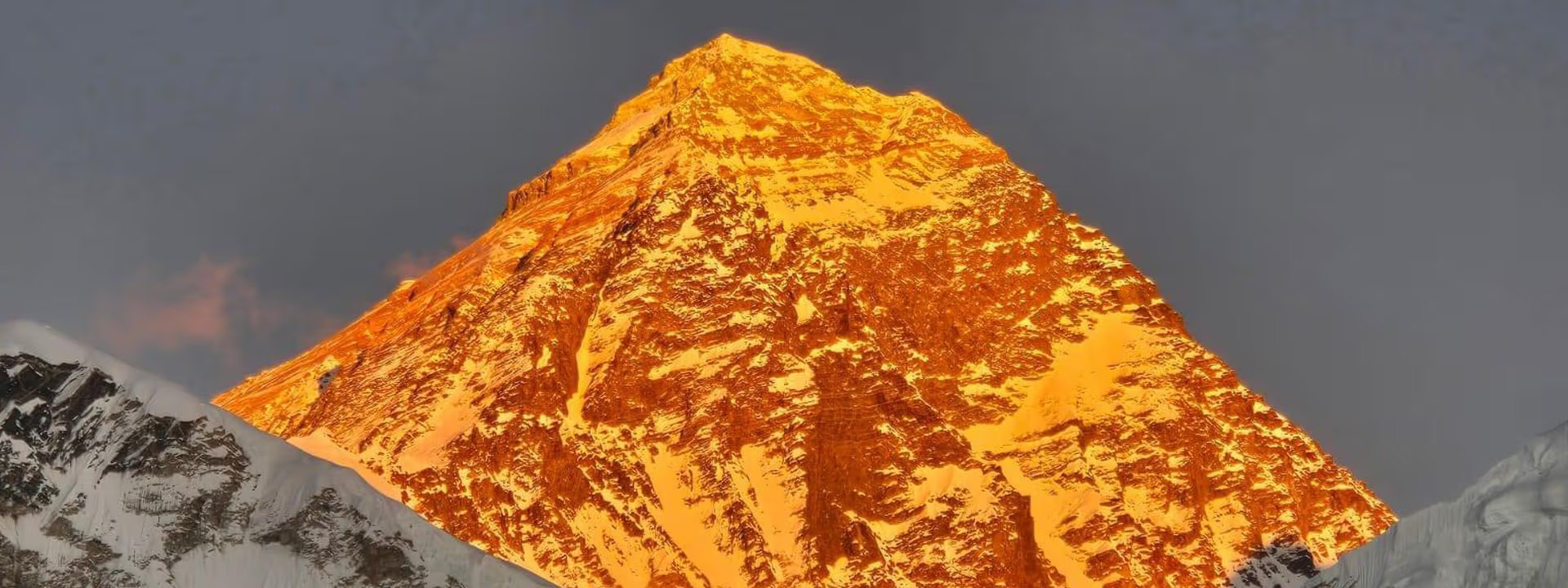
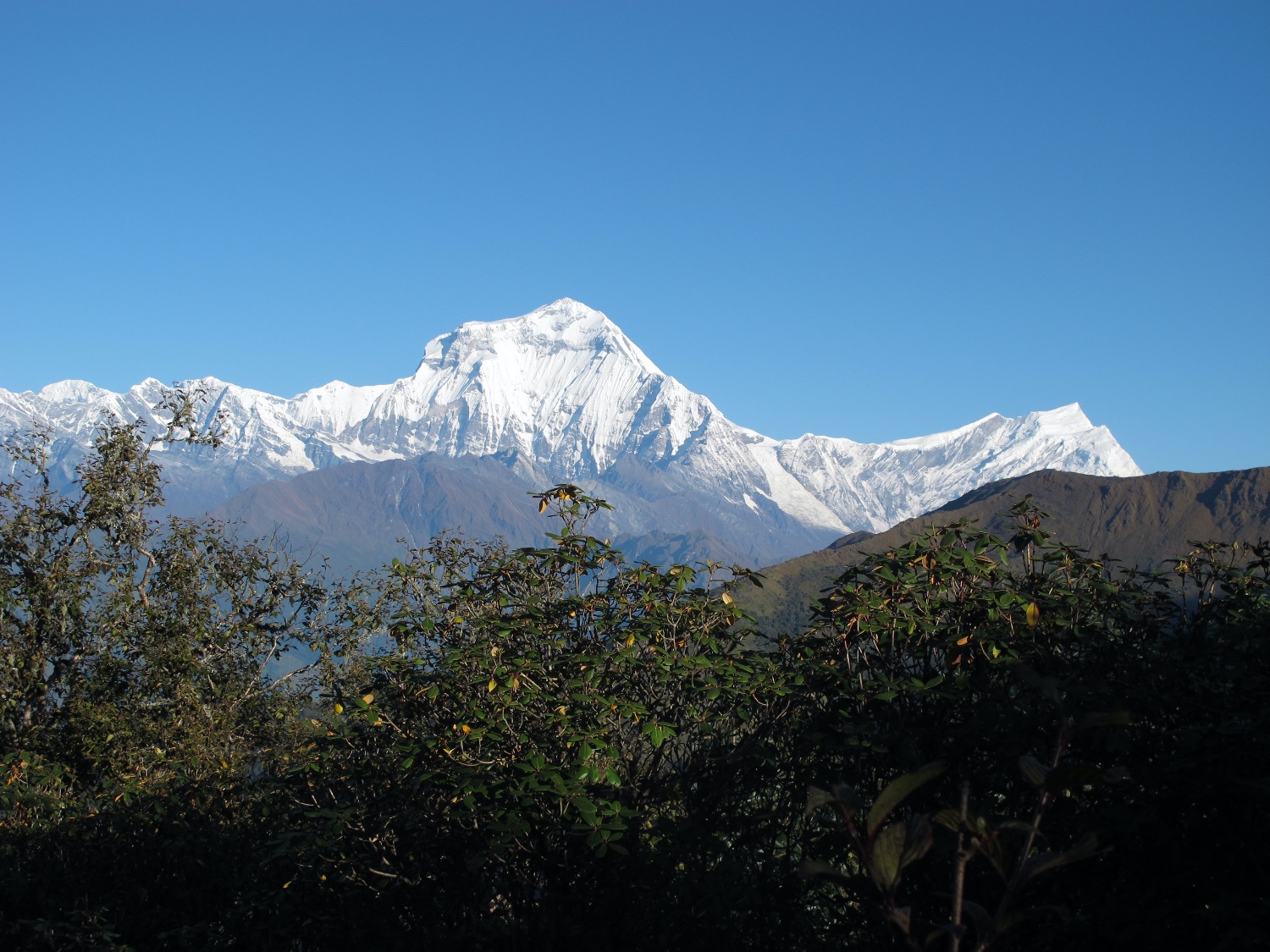
  1. Stunning Mountain Vistas: Witness breathtaking panoramic views of iconic Himalayan peaks, including Mount Everest, Lhotse, Nuptse, Ama Dablam, and more.
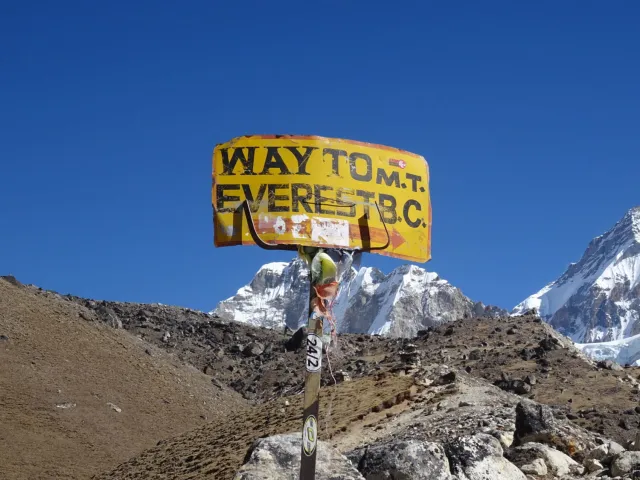
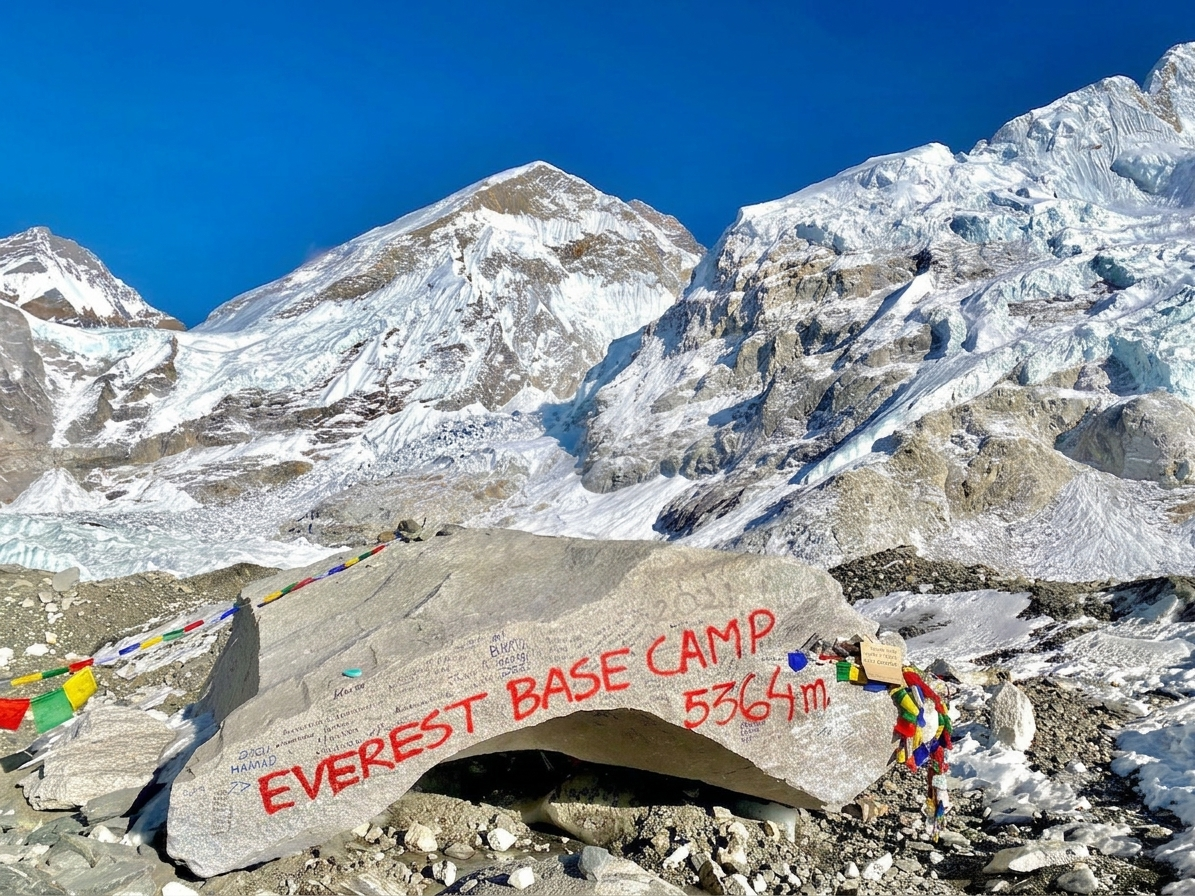
  2. Everest Base Camp: Reach the Everest Base Camp (5,364m), the starting point for climbers to conquer the world’s highest peak, Mount Everest.
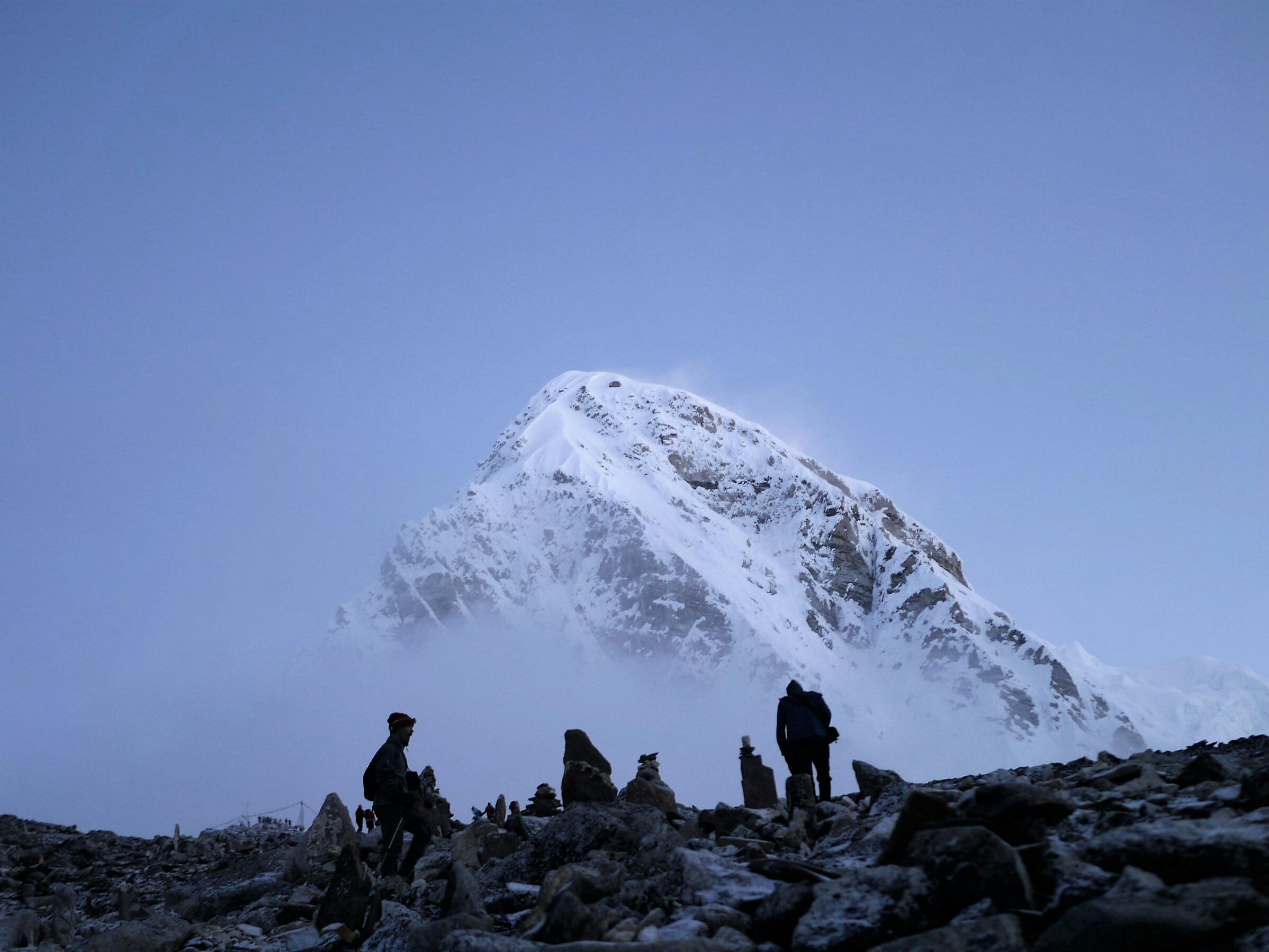
  3. Kala Patthar Viewpoint: Hike to Kala Patthar (5,550m) for a spectacular sunrise view of Mount Everest and the surrounding peaks.
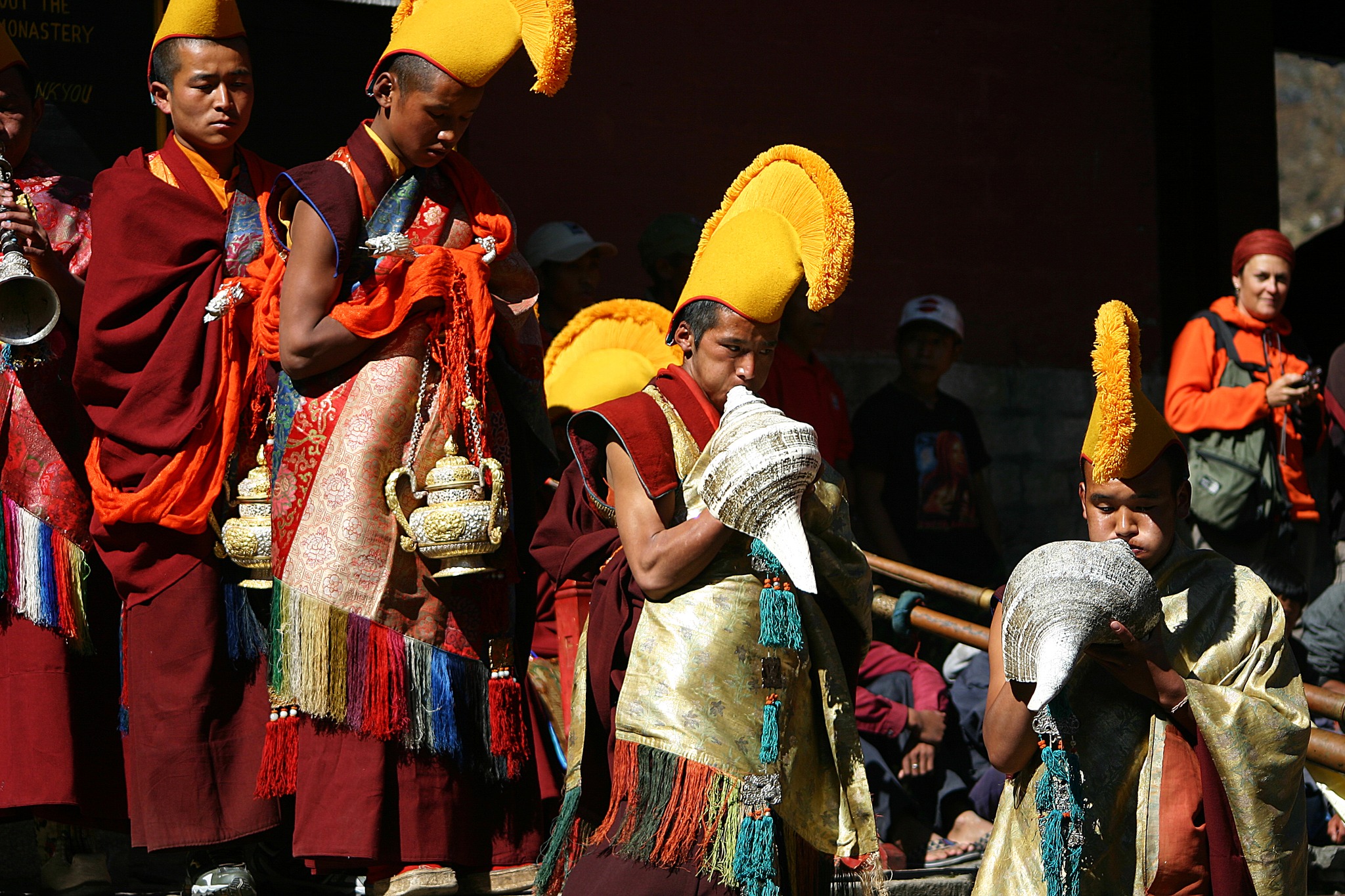
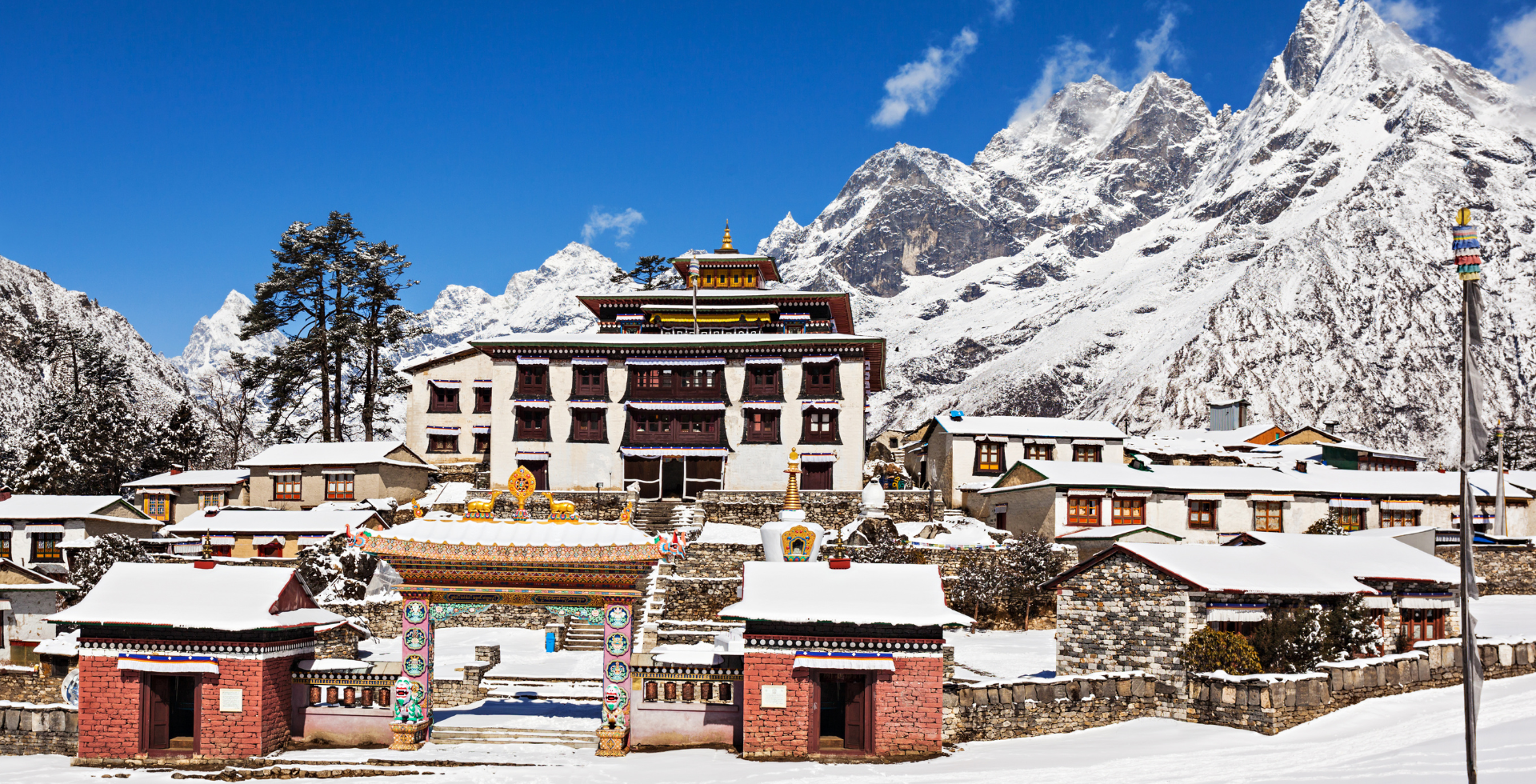
  4. Tengboche Monastery: Visit the ancient Tengboche Monastery, a significant spiritual center with stunning views of Everest and Ama Dablam.
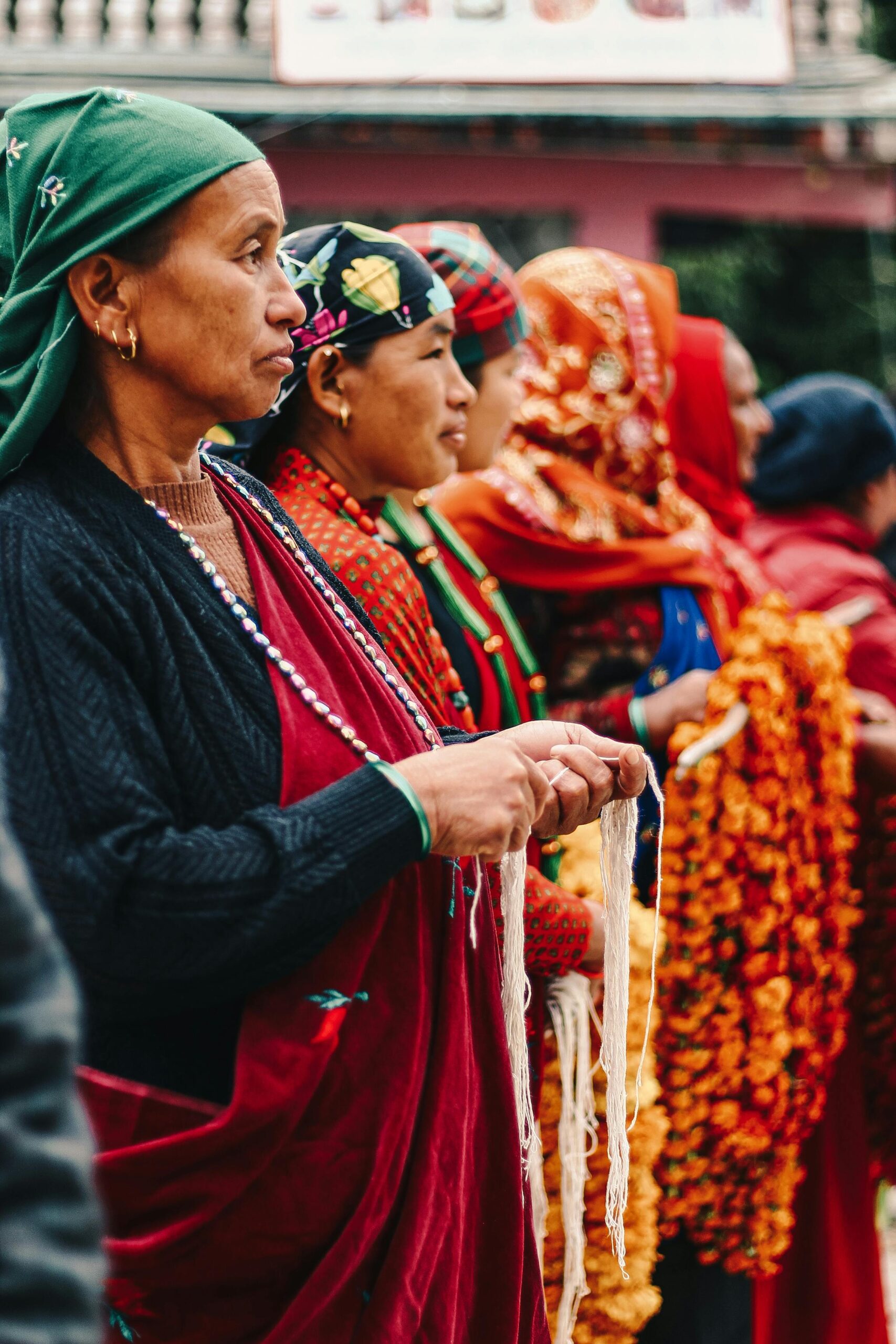
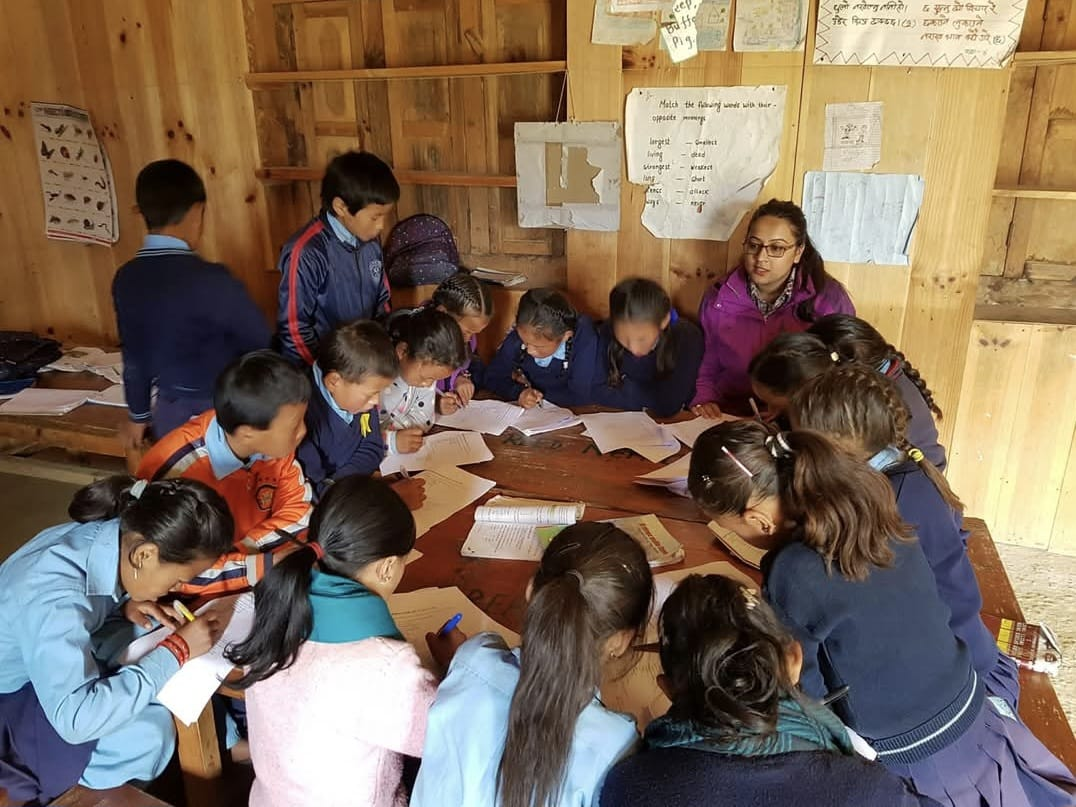
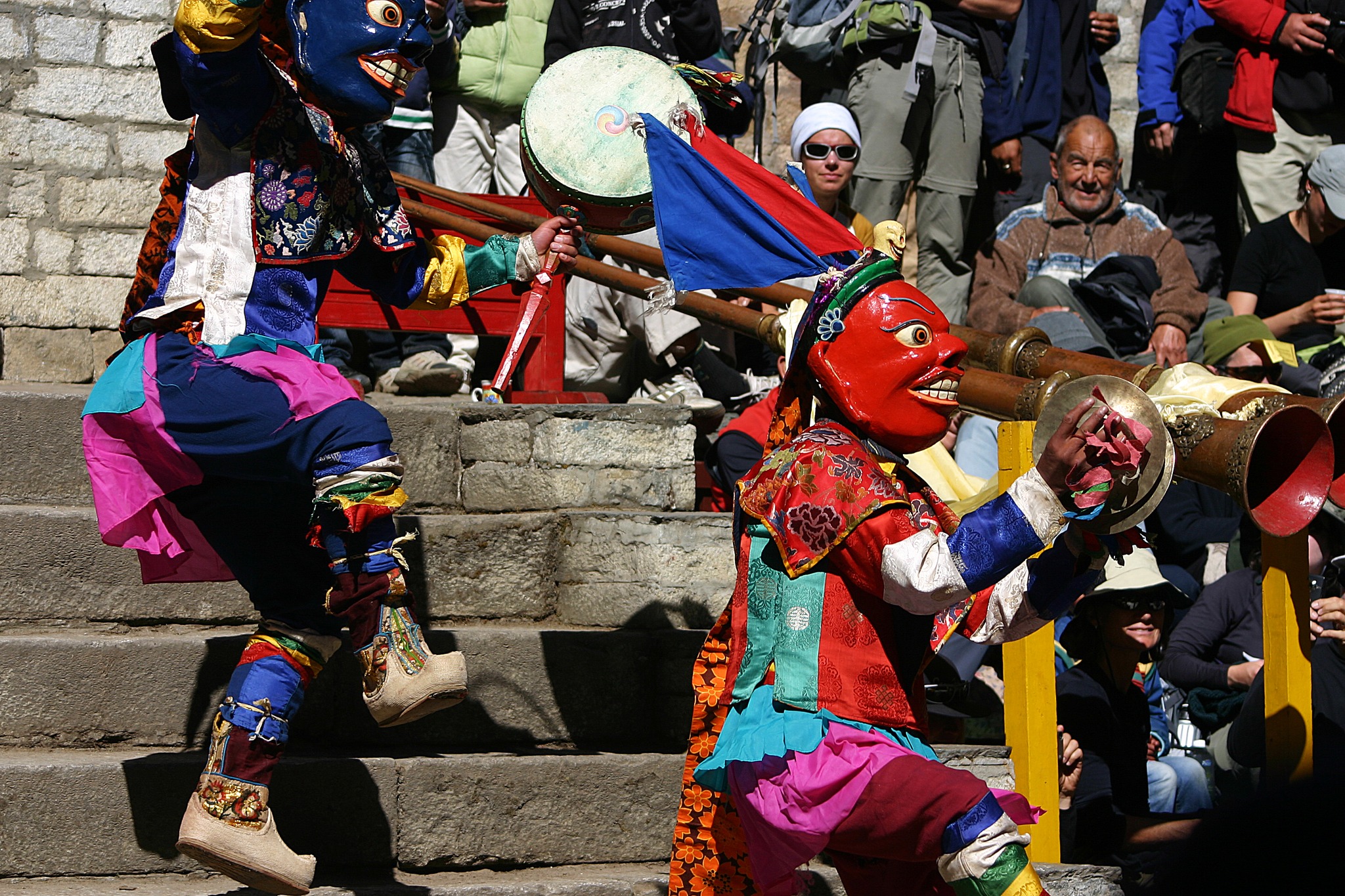
  5. Sherpa Culture: Immerse yourself in the rich Sherpa culture, visiting traditional villages and experiencing the warm hospitality of the Sherpa people.
  6. Sagarmatha National Park: Explore Sagarmatha National Park, a UNESCO World Heritage Site known for its unique flora, fauna, and diverse ecosystems.
  7. Challenging Terrain: Conquer challenging terrains, including rocky paths, suspension bridges, and steep ascents, providing an adventurous and physically demanding trek.
  8. Enchanting Landscapes: Experience diverse landscapes, from lush forests and picturesque villages to glacial moraines and dramatic alpine scenery, creating a visual feast throughout the trek.

Everest Base Camp Trek Overview

The trek is a symphony of nature, culture, and adventure. It calls to those seeking to challenge themselves and immerse in the magnificence of the Himalayas.

Conquering the Pinnacle of Adventure

Everest Base Camp is situated in the heart of the Khumbu region of Nepal. It is an iconic destination for trekkers and mountaineers alike.

Additionally, it is the starting point for climbers attempting to conquer Mount Everest, the world’s highest peak at 29,032 feet (8,849 meters).

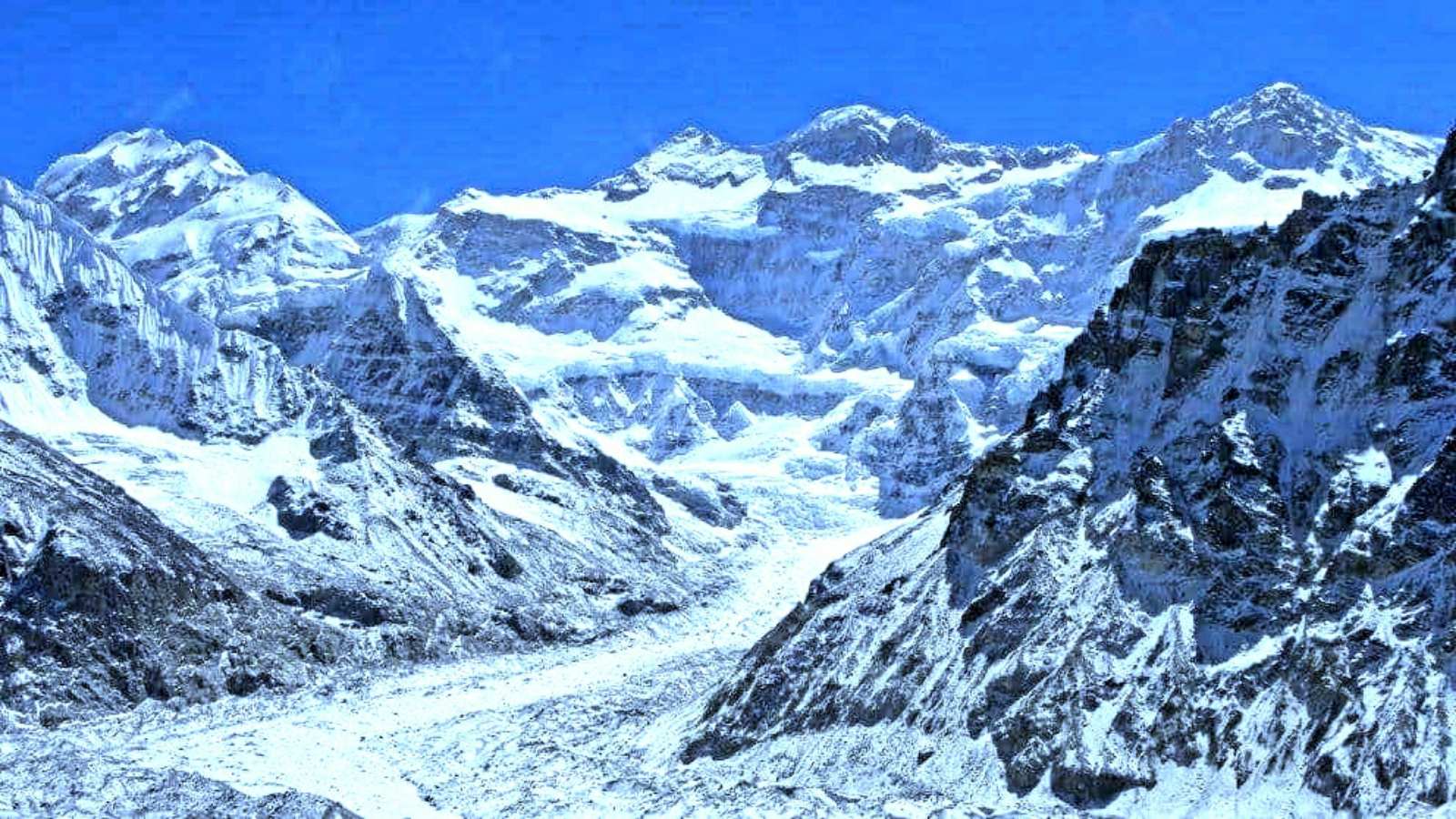
The trek to Everest Base Camp is a challenging yet immensely rewarding journey. It offers breathtaking panoramic views of some of the world’s tallest peaks, including Ama Dablam, Lhotse, Nuptse, and Mount Everest.

Additionally, the route typically begins in Lukla. As you ascend through charming Sherpa villages, lush forests, and rugged terrain, you’ll experience the rich culture and hospitality of the local communities.

Traversing the Enchanting Trail

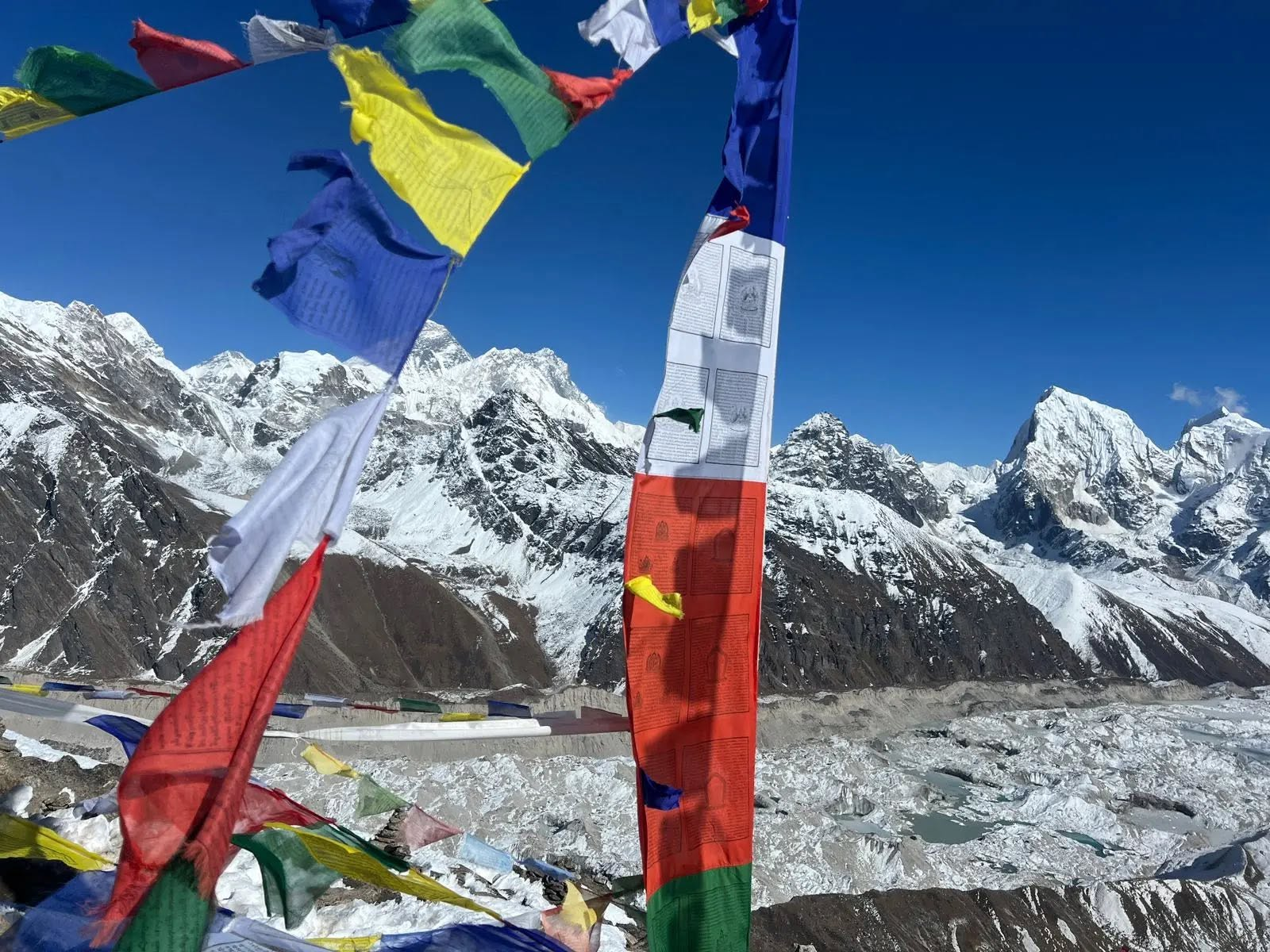
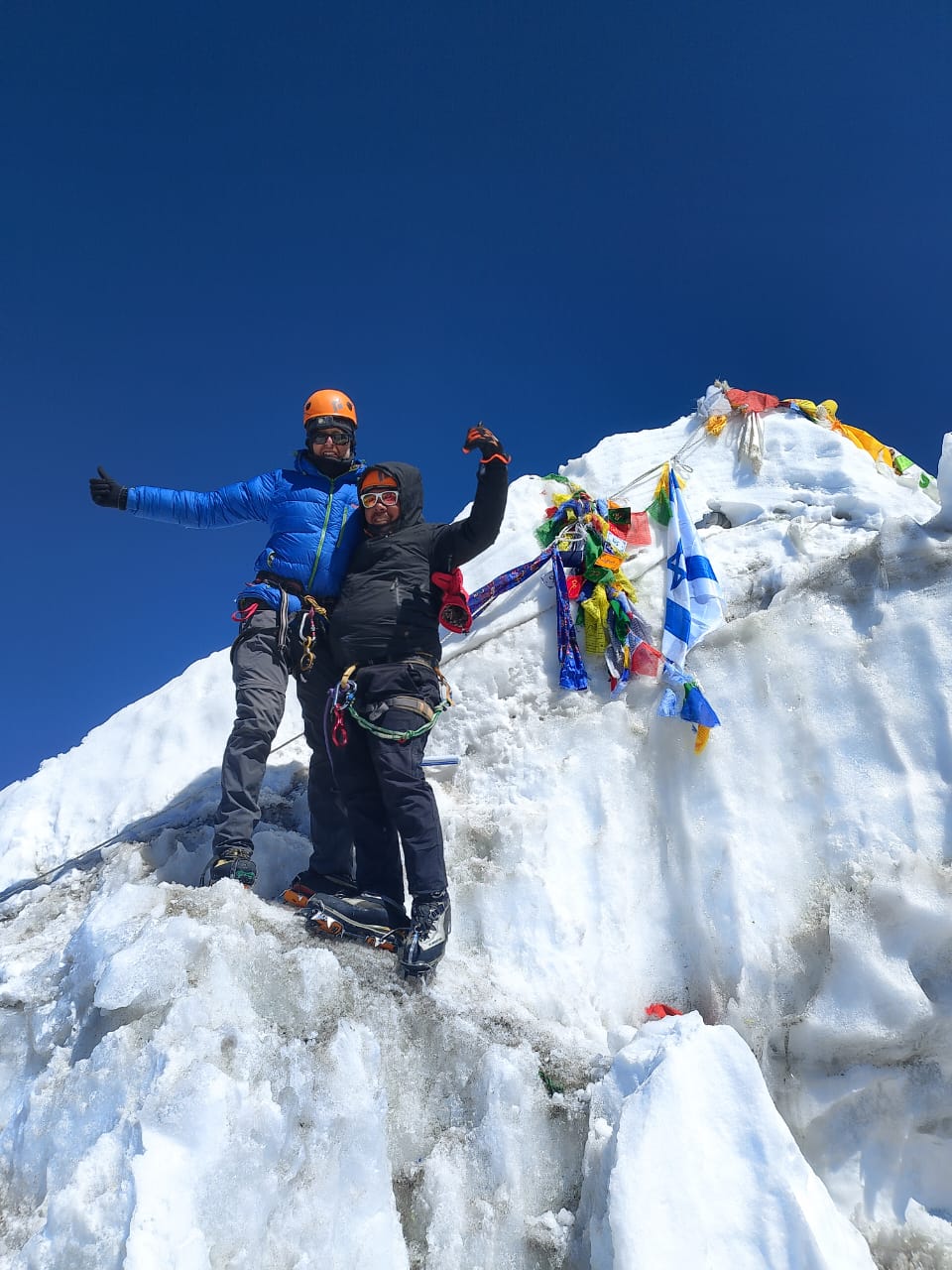
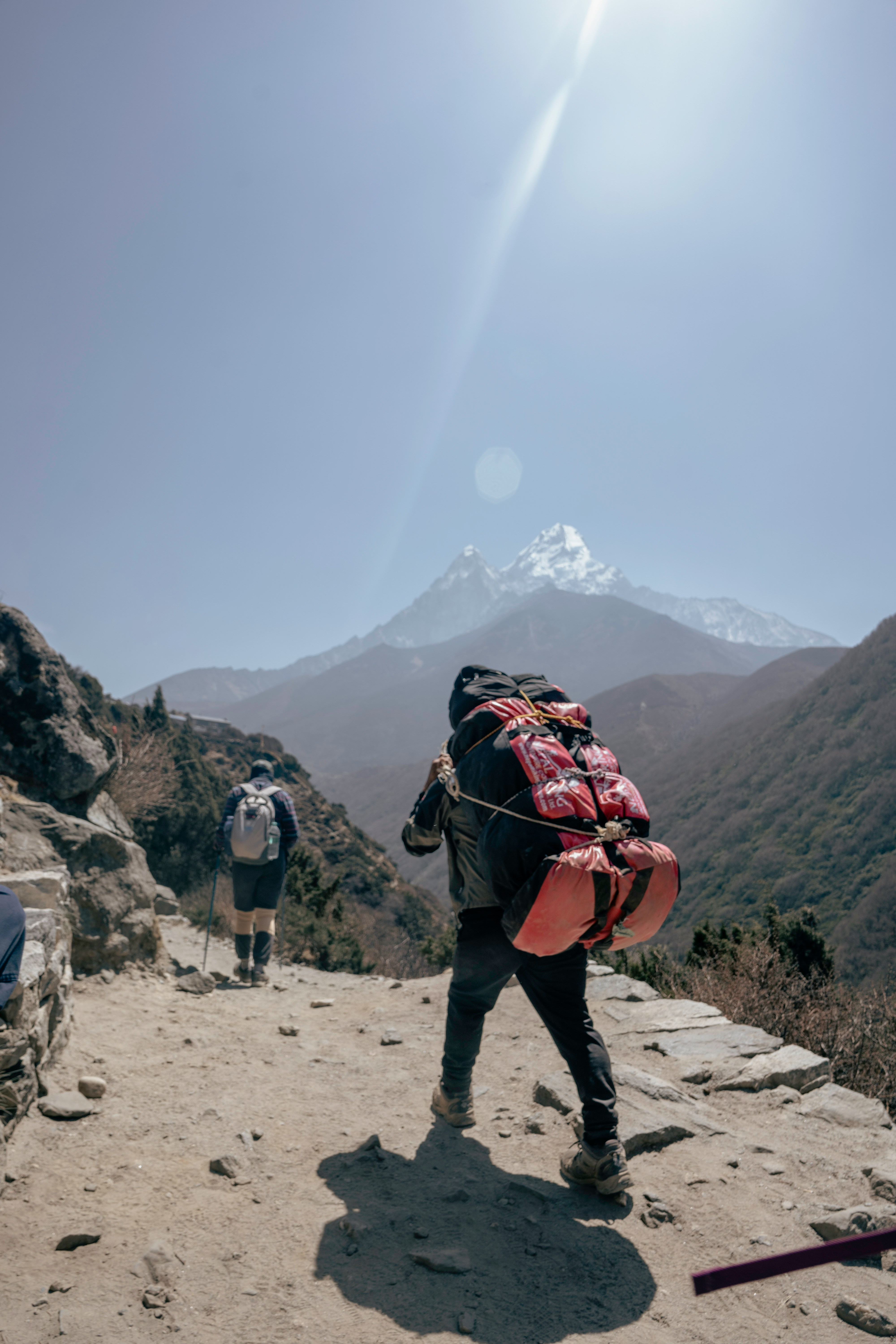
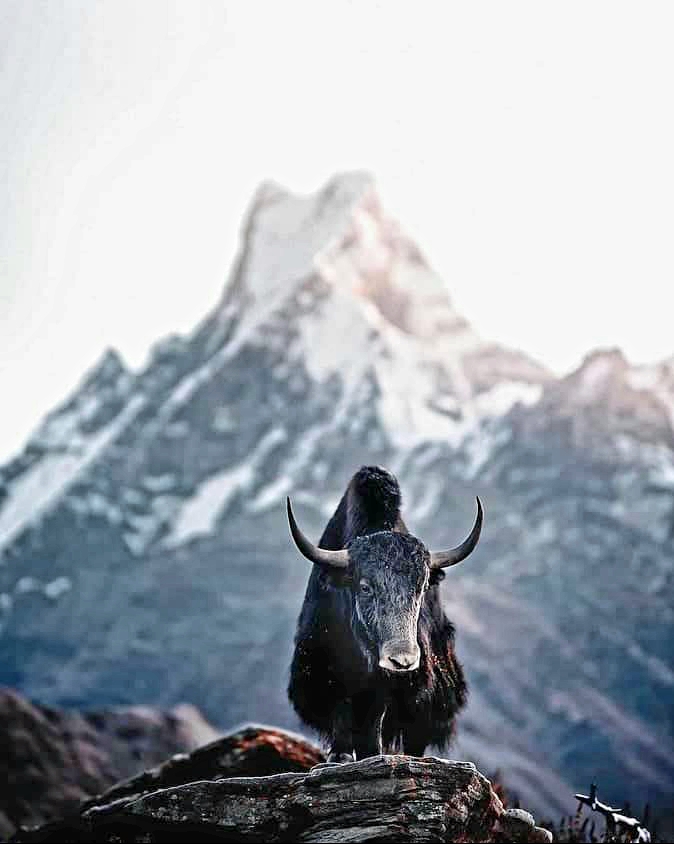
The trail to Everest Base Camp weaves through the Sagarmatha National Park. It is a UNESCO World Heritage Site renowned for its unique flora and fauna. Trekkers often encounter yaks carrying supplies, colourful prayer flags fluttering in the mountain breeze, and the distinctive Tibetan Buddhist monasteries that dot the landscape.

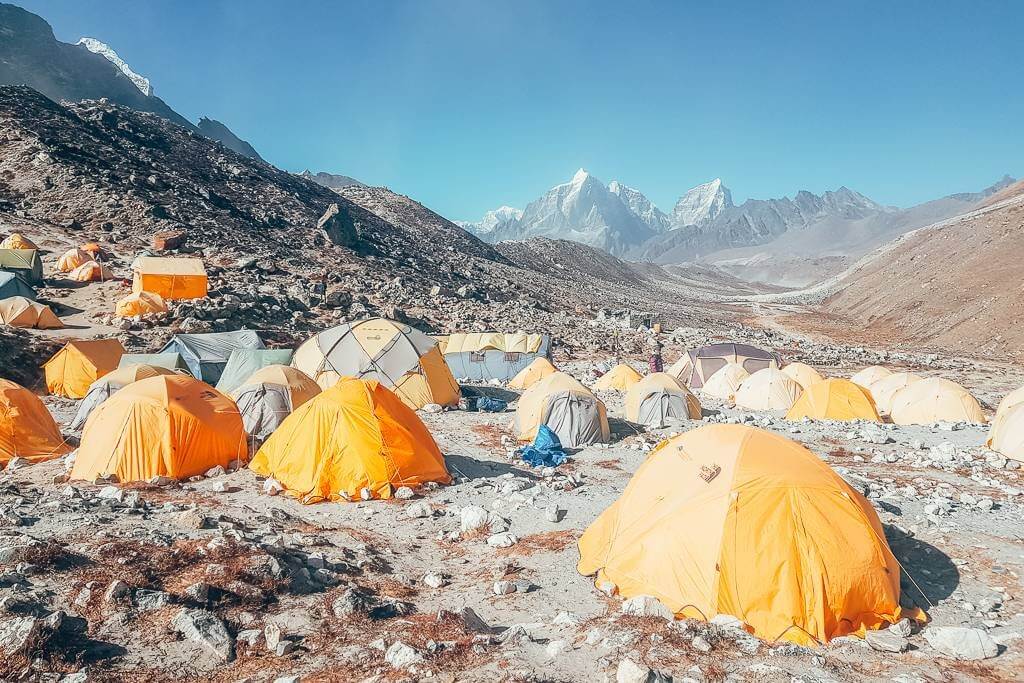
As you approach Everest Base Camp, the landscape transforms into a stark, glacial wilderness. In contrast, with awe-inspiring views of the Khumbu Icefall and Khumbu Glacier.

Moreover, It sets the stage for mountaineers preparing for their arduous ascent. The trek to Everest Base Camp is an adventure of a lifetime.

Ascending to Great Heights

Reaching Everest Base Camp requires determination, physical endurance, and respect for the mountain’s formidable conditions. It’s a journey that demands acclimatization to the high altitude and careful pacing. Meanwhile, with an appreciation for the Khumbu region’s natural beauty and cultural significance.

After you reach Everest Base Camp, you are greeted by the humbling presence of Mount Everest. At the same time,  surrounding peaks create a sense of awe and accomplishment that stays with them long after the trek.

Best Season to visit Everest base camp trek 2023/2024

Season Best Time Criteria
Spring March to May – Mild temperatures – Blooming flora
Summer June to August – Warm weather
Autumn September to November – Clear skies – Pleasant temperatures
Winter December to February – Less crowded – Crisp views, snow-capped peaks

The best time to embark on the Everest Base Camp trek is during the spring (March to May) and autumn (September to November) seasons. These periods offer stable weather, clear skies, and pleasant temperatures, making them ideal for trekking.

During spring, the trail is adorned with blooming rhododendrons and other colourful flora, while in autumn, the skies are usually crisp and clear, providing awe-inspiring views of the surrounding peaks.

How difficult is Everest base camp trek ?

In terms of difficulty, the Everest Base Camp trek is considered challenging due to its high altitude and the strenuous nature of the trail.

Trekkers should be in good physical condition and adequately prepared for long days of hiking. Altitude sickness is a concern, so acclimatization days are crucial to allow your body to adjust to the high altitude and reduce the risk of altitude-related illnesses.

Proper training, fitness, and a gradual ascent are key to a successful and safe trek to Everest Base Camp.

Dudhkunda Adventure Treks
Average rating:  
 0 reviews

Itinerary

Upon your arrival at Tribhuvan International Airport, our friendly representative will warmly welcome you and assist with a smooth transfer to your hotel.

Welcome to the vibrant heart of Nepal — Kathmandu, a city where ancient traditions meet modern energy. Discover centuries-old temples, colorful bazaars, sacred shrines, and the captivating rhythm of local life that make this cultural capital truly unforgettable.

Your arrival day is designed for comfort and inspiration. Relax, unwind, explore the lively surroundings at your own pace, and soak in the atmosphere as you prepare for the incredible adventure that awaits in the Himalayas.

  • Trek Duration: 2 Hrs of Flight
  • Altitude: 1400 meter
  • Meal: BLD

A breathtaking air journey to Lukla. The excitement builds as trekkers touch down in Lukla and embark on a scenic 3-hour trek to Phakding (2625m).

The trail introduces the mesmerizing Himalayan landscape, adorned with lush greenery and dotted with prayer flags. As the trek unfolds, anticipation and awe set the tone, paving the way for the remarkable journey that awaits in the heart of the Khumbu region.

  • Trek Duration: 3 Hours
  • Trek Distance: approximately 8km
  • Altitude: 2625 meter
  • Meal: BLD

On the third day, trekkers embark on a captivating journey from Phakding to the vibrant Namche Bazaar. The trail unfolds through approximately 5 to 6 hours of mesmerizing landscapes, revealing the breathtaking beauty of the Khumbu region.

As trekkers ascend to Namche Bazaar at 3440 meters, the allure of the Himalayas is undeniable.

The path offers glimpses of towering peaks and the vibrant local culture, setting the tone for the adventure ahead in this bustling and culturally rich mountain town.

The fourth day is dedicated to acclimatization in Namche Bazaar, a crucial step to adapt to the escalating altitudes.

Amidst the stunning backdrop of the Himalayas, trekkers take a well-deserved break to allow their bodies to adjust to the higher elevations. This essential rest day aids in preventing altitude-related issues, ensuring a safer and more comfortable journey in the coming days.

Exploring Namche Bazaar and immersing in its rich Sherpa culture provides a unique insight into the mountain way of life, adding a cultural dimension to the acclimatization process.

Today resumes the trekking adventure, propelling trekkers from Namche Bazaar to the picturesque Phorche Village. A 5 to 6-hour trek unfolds through the heart of the Khumbu region, revealing stunning vistas and captivating landscapes.

As the path winds through this Himalayan terrain, at an elevation of 3645 meters, trekkers are immersed in the raw beauty of the mountains. The journey to Phorche Village offers a harmonious blend of challenging trekking and the serene charm of the Himalayas, making it a memorable leg of the Everest Base Camp trek.

On the sixth day, trekkers embark on a memorable journey from Phorche Village to Dingboche, situated at 4335 meters.

This roughly 6-hour trek is adorned with awe-inspiring mountain views, creating a spectacular backdrop. The trail meanders through the breathtaking landscape, showcasing the grandeur of the Himalayas.

As trekkers ascend, the towering peaks come into sharper focus, offering an exhilarating experience and a glimpse into the mesmerizing natural beauty surrounding them.

Today grants trekkers a well-deserved rest in Dingboche, a critical halt for acclimatization and relaxation.

This day of respite is invaluable for allowing the body to acclimate to the high altitude, ensuring a safe and enjoyable journey ahead.

Trekkers can explore the local culture, savour the stunning views, and engage in necessary preparations for the continued adventure.

The trek continues on the eighth day when trekkers travel 4915m from Dingboche to Lobuche.

The 5-hour journey features changing terrain, making for a fascinating hiking experience. The route reflects the region’s rugged beauty, revealing subtle but important changes in the landscape with each step.

Traversing this changing terrain makes for a thrilling trek to Everest Base Camp, which promises an enriching and varied Himalayan trek.

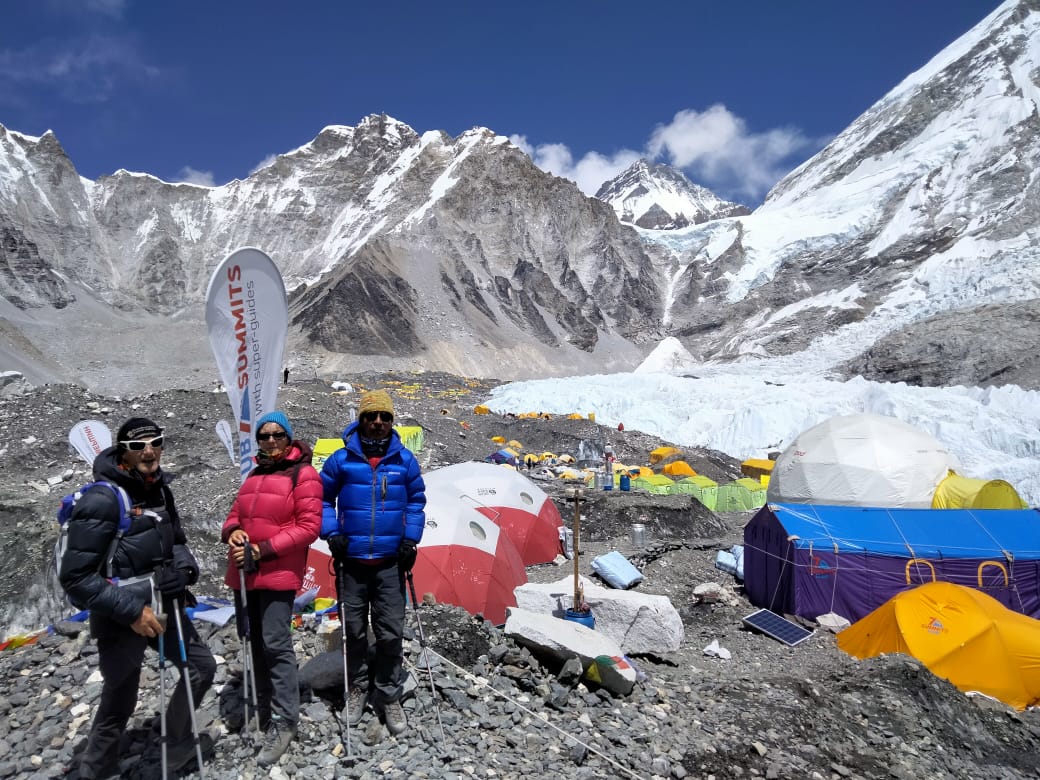
The day consists of a challenging but rewarding climb from Lobuche to Everest Base Camp at 5364 m and Gorak Shep at 5190 m.

The trek takes about 6 to 7 hours and guides trekkers through Everest terrain on the steep slope.

As they push on, the mighty Everest Base Camp comes into view, a major achievement being a launch pad for climbers. The trek to Gorakshep offers the harsh yet breathtaking beauty of the high Himalayas.

The tenth day offers a unique trek from Gorakshep to Kala Pathhar, found at 5545 meters, offering awe-inspiring views of Everest. This adventurous trek lasts for about 6 to 7 hours.

The view from Kalapattha is unspectacular, providing a feast for the eyes and a feeling of accomplishment. After soaking in the breathtaking scenery, travelers descend to Feriche, 4200 meters away, where the beauty of the journey continues to amaze.

You descend 3550 meters from Feriche to Kyangjuma, a thrilling trek lasting 6 to 7 hours. The route passes through spectacular scenery, allowing trekkers to experience the Himalaya’s quiet beauty.

Each step retraces the route through this diverse region, revealing subtle changes in the terrain and immersing the trekkers in the unforgettable experiences of Everest camping.

You return from Kyangjuma to Phakding, retracing familiar trails along well-established trails.

The 6-hour trek is a scenic route, allowing hikers to reminisce about the amazing experiences of the trek so far.

The descent to Phakding at 2610 meters offers nostalgia and a chance to re-appreciate a place’s beauty before the trip’s end.

On the 13th day, you travel from Phakding to Lukla, an important part of the preparations for the return trip.

The almost 5-hour journey retraces the earlier part, giving the passengers a final view of breathtaking scenery and mountainous terrain.

As the end of the journey approaches, it is a day of reflection and anticipation, allowing for a wonderful journey of return and information about this.

On the last day of the Everest Base Camp trek, a flight departs Lukla for Kathmandu, bringing trekkers back to civilization.

This small but fascinating flight offers breathtaking views of the mountains from above, adding the final touch to the trip.

Upon arrival in Kathmandu, trekkers are transferred to their respective hotels, ending with an incredible trek to Everest Base Camp, leaving a lasting impression of the Himalayas.

It’s a time to reflect on the breathtaking landscapes, the experiences shared, and the memories made before you part ways, heading towards our respective onward destinations.

What's Included

  • Airport pick-up and drop-off in Kathmandu
  • 2–3 nights hotel accommodation in Kathmandu (with breakfast)
  • Domestic flights: Kathmandu – Lukla – Kathmandu (or Ramechhap–Lukla during peak season)
  • All ground transportation as per itinerary
  • Experienced, licensed trekking guide
  • Porter service (1 porter for 2 trekkers)
  • Accommodation in teahouses/lodges during the trek
  • Three meals a day during the trek (Breakfast, Lunch, Dinner)
  • Fresh fruits after dinner (seasonal)
  • All necessary trekking permits:
    • Sagarmatha National Park Permit
    • Khumbu Pasang Lhamu Rural Municipality Permit
  • First aid medical kit carried by guide
  • Government taxes and service charges
  • Trekking map and company T-shirt (optional)

What's Excluded

  • International airfare to and from Nepal
  • Nepal entry visa fees
  • Travel insurance (mandatory, including emergency evacuation)
  • Personal trekking gear (down jacket, sleeping bag, etc.)
  • Meals in Kathmandu (except breakfast and farewell dinner)
  • Extra accommodation in Kathmandu due to early return or flight delays
  • Personal expenses:
    • Hot showers
    • Wi-Fi and battery charging
    • Drinks (tea, coffee, bottled water, alcohol)
  • Tips for guide and porter (expected but not mandatory)
  • Emergency rescue and evacuation costs (covered by insurance)
  • Any additional costs due to unforeseen circumstances (weather, strikes, flight cancellations)

Trip Accomodation Summary

Accommodation during the Everest Base Camp Trek is mainly in traditional teahouses and mountain lodges, offering a comfortable and authentic Himalayan experience. In lower regions like Lukla and Phakding, lodges are relatively well-equipped with cozy rooms, some attached bathrooms, and welcoming dining areas. As you move higher, the focus shifts more toward simplicity and warmth rather than luxury.

At key stops such as Namche Bazaar and Dingboche, teahouses provide a balance of comfort and functionality. Namche, being the main hub of the Khumbu region, offers better facilities including Wi-Fi, bakeries, and hot showers, while Dingboche and Tengboche provide more basic but clean accommodations with shared facilities and heated dining spaces where trekkers gather.

In higher altitudes like Lobuche and Gorak Shep, accommodation becomes more basic due to remoteness and harsh conditions. Rooms are simple with twin beds and shared bathrooms, and heating is usually available only in dining areas. Despite limited amenities, the hospitality of local hosts and the breathtaking mountain surroundings make the stay a memorable part of the journey.

Fixed Departure

Start Date End Date Group Size Price
September 29, 2023 October 7, 2023 5 Book Now
September 30, 2023 October 11, 2023 9 Book Now
October 4, 2023 October 15, 2023 15 Book Now
October 6, 2023 October 16, 2023 12 Book Now

Essential Info

Trek Difficulty & Altitude Sickness

The Everest Base Camp Trek is considered a moderate to challenging trek, requiring good physical fitness and mental endurance. While no technical climbing is involved, the long trekking days, steep ascents, and high altitude make it demanding. The biggest challenge is altitude, as the trek reaches up to 5,364 meters at Everest Base Camp, where oxygen levels are significantly lower.

To minimize the risk of altitude sickness (AMS), proper acclimatization is essential. The itinerary typically includes rest days in places like Namche Bazaar and Dingboche to help your body adjust. Staying hydrated, walking at a steady pace, and listening to your guide are key to a safe trek.

Common symptoms of altitude sickness:

  • Headache and dizziness
  • Nausea or loss of appetite
  • Shortness of breath
  • Difficulty sleeping

Best Season to Trek

The best time to trek to Everest Base Camp is during spring (March to May) and autumn (September to November). These seasons offer stable weather, clear skies, and the best mountain views, making your trekking experience more enjoyable and safe.

Spring is especially popular for blooming rhododendrons and mild temperatures, while autumn provides crisp air and excellent visibility after the monsoon season. Winter and monsoon treks are possible but come with challenges like extreme cold or heavy rainfall.

Season highlights:

  • Spring: Blooming forests, moderate temperature
  • Autumn: Clear views, stable weather
  • Winter: Fewer crowds, very cold
  • Monsoon: Lush greenery, limited visibility

Food Availability

Throughout the Everest Base Camp Trek, a variety of meals are available in teahouses, ranging from local Nepali dishes to basic international options. Food is freshly prepared and designed to provide the energy needed for long trekking days.

The most common and recommended meal is Dal Bhat (rice, lentils, vegetables), known for being nutritious and refillable in many lodges. As you go higher, menu options may become limited, but you will still find essential meals and hot drinks.

Common food options:

  • Dal Bhat (staple and energy-rich)
  • Noodles, soups, and pasta
  • Fried rice and momos
  • Tea, coffee, and hot chocolate

Travel Insurance

Travel insurance is mandatory for the Everest Base Camp Trek, as it ensures safety and financial protection in case of emergencies. Due to the remote and high-altitude nature of the trek, unexpected situations such as altitude sickness or injuries may require immediate evacuation.

Your insurance policy should specifically cover high-altitude trekking (up to 5,500 meters) and emergency helicopter evacuation, which can be very expensive without coverage. It is highly recommended to carry a copy of your insurance details during the trek.

Insurance must cover:

  • High-altitude trekking (minimum 5,000m+)
  • Emergency helicopter evacuation
  • Medical expenses and hospitalization
  • Trip cancellation and delays

Equipment List

  • Moisture-wicking t-shirts (quick-dry)
  • Lightweight trekking pants
  • Thermal base layers (top & bottom)
  • Underwear and innerwear
  • Sports bra (if needed)
  • Warm hat / beanie
  • Sun hat or cap
  • Backpack (30–40L for daily use)
  • Duffel bag (for porter, if applicable)
  • Sleeping bag (rated -10°C to -20°C)
  • Trekking poles
  • Headlamp with extra batteries
  • Water bottles or hydration bladder
  • Sunglasses (UV protection)
  • Down jacket (warm, insulated)
  • Waterproof / windproof jacket
  • Fleece jacket or pullover
  • Waterproof trekking pants
  • Insulated gloves (inner + outer)
  • Warm socks (wool/thermal)
  • Gaiters (optional for snow/dust)
  • Personal toiletries (toothbrush, toothpaste, soap, etc.)
  • Hand sanitizer & wet wipes
  • Sunscreen (SPF 30+) & lip balm
  • First aid kit (basic medicines, bandages)
  • Water purification tablets or filter
  • Quick-dry towel
  • Toilet paper / tissue rolls
  • Mobile phone
  • Power bank (high capacity)
  • Camera (optional)
  • Extra batteries / charging cables
  • Universal travel adapter
  • Headphones / earphones
General Equipments
  • Trekking boots (well broken-in)
  • Camp shoes / sandals
  • Snacks (energy bars, nuts, chocolates)
  • Reusable water bottle
  • Notebook & pen
  • Passport & permits (copies)
  • Small locks for bags

FAQ

Insights into the trek's level of difficulty, physical requirements, and challenges encountered along the trail.
Yes, Sagarmatha National Park Permit and TIMS (Trekkers' Information Management System) card are essential.
Limited ATM facilities; cash is recommended, and major towns may accept credit cards.
Both options are possible, but joining a group or hiring a guide is advisable for safety and navigation.
While not mandatory, having a guide and porter can enhance safety and ease the trekking experience.
Reviews

Trip Price

USD 1350 Per Person

Talk To Trip Expert

expert image

Palden Tamang

Trip Expert
Have Any Questions?
Whatsapp/Viber/Phone +977-9768545875
Share This Trip