12-Day Tsum Valley Trek | Hidden Himalayan Valley of Nepal
package image
Duration: 12 Days/11 Nights

TSUM VALLEY TREK—12Day Cultural Trip in Hidden Himalayan Valley

Overview

A Journey into Nepal’s Hidden Buddhist Valley

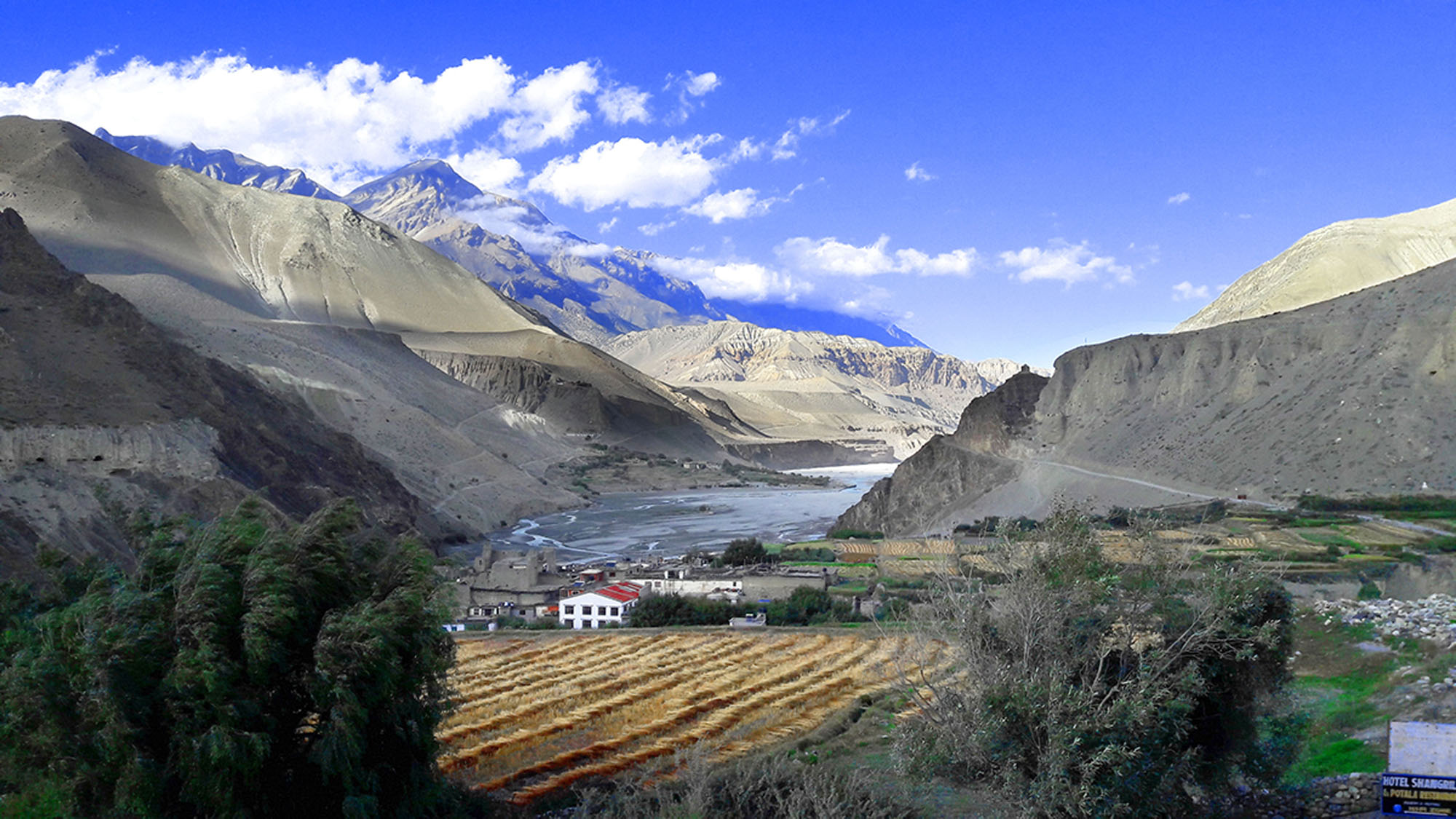
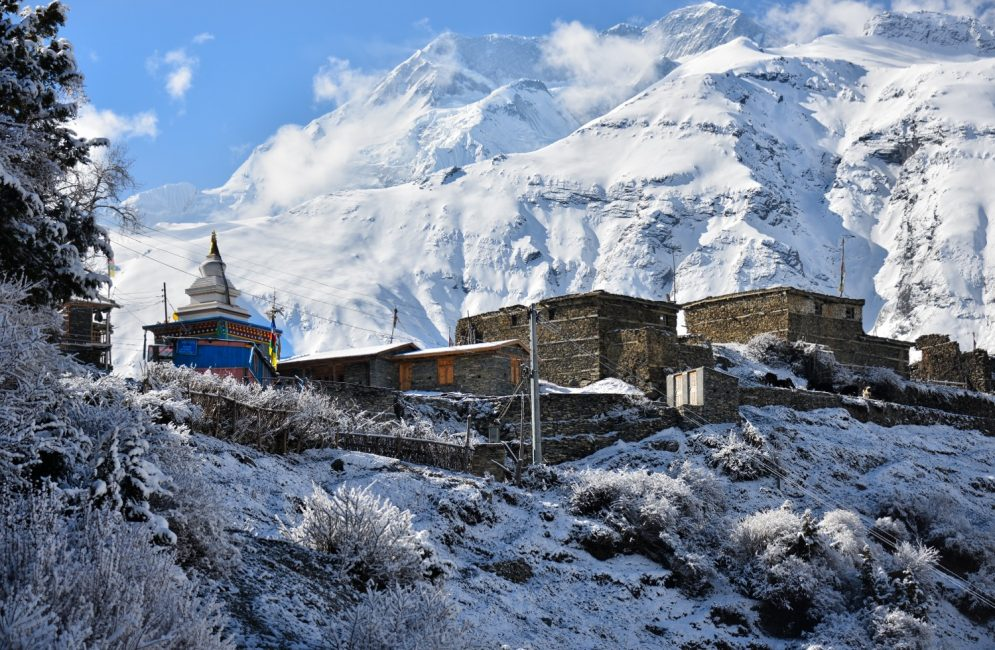
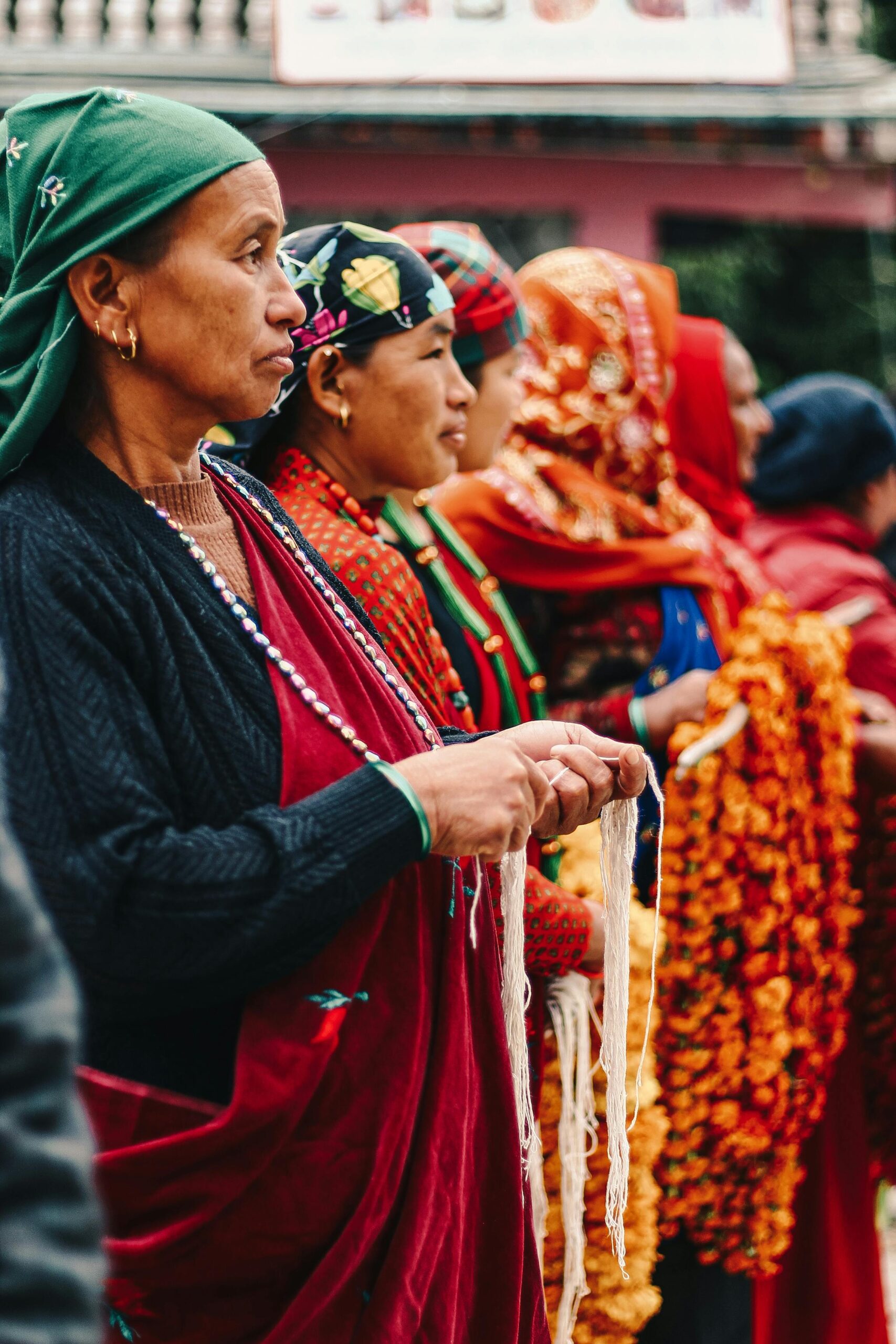
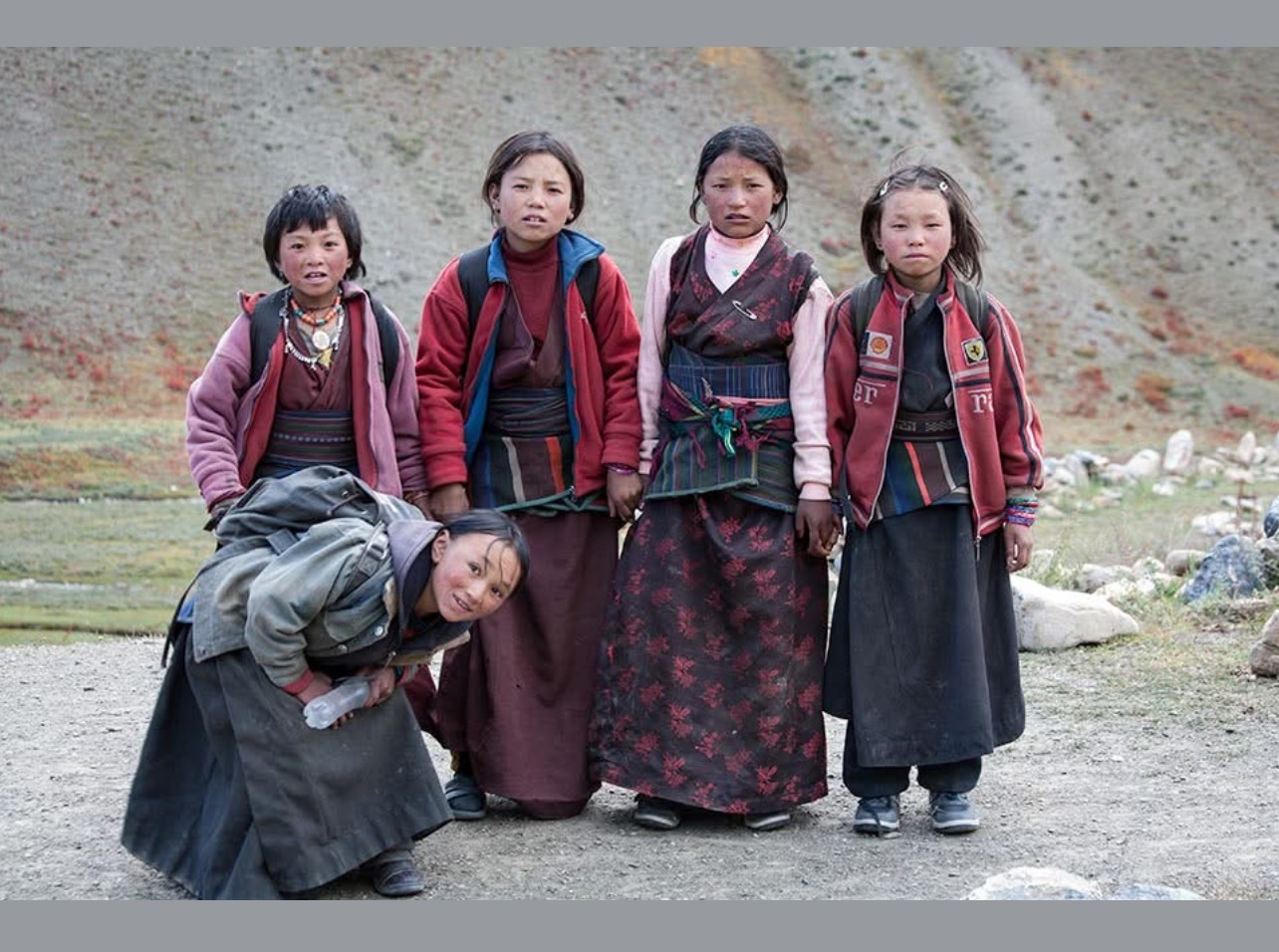
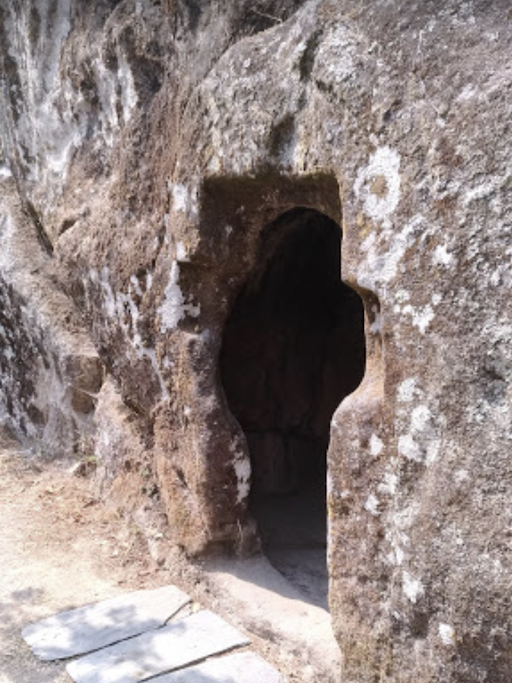
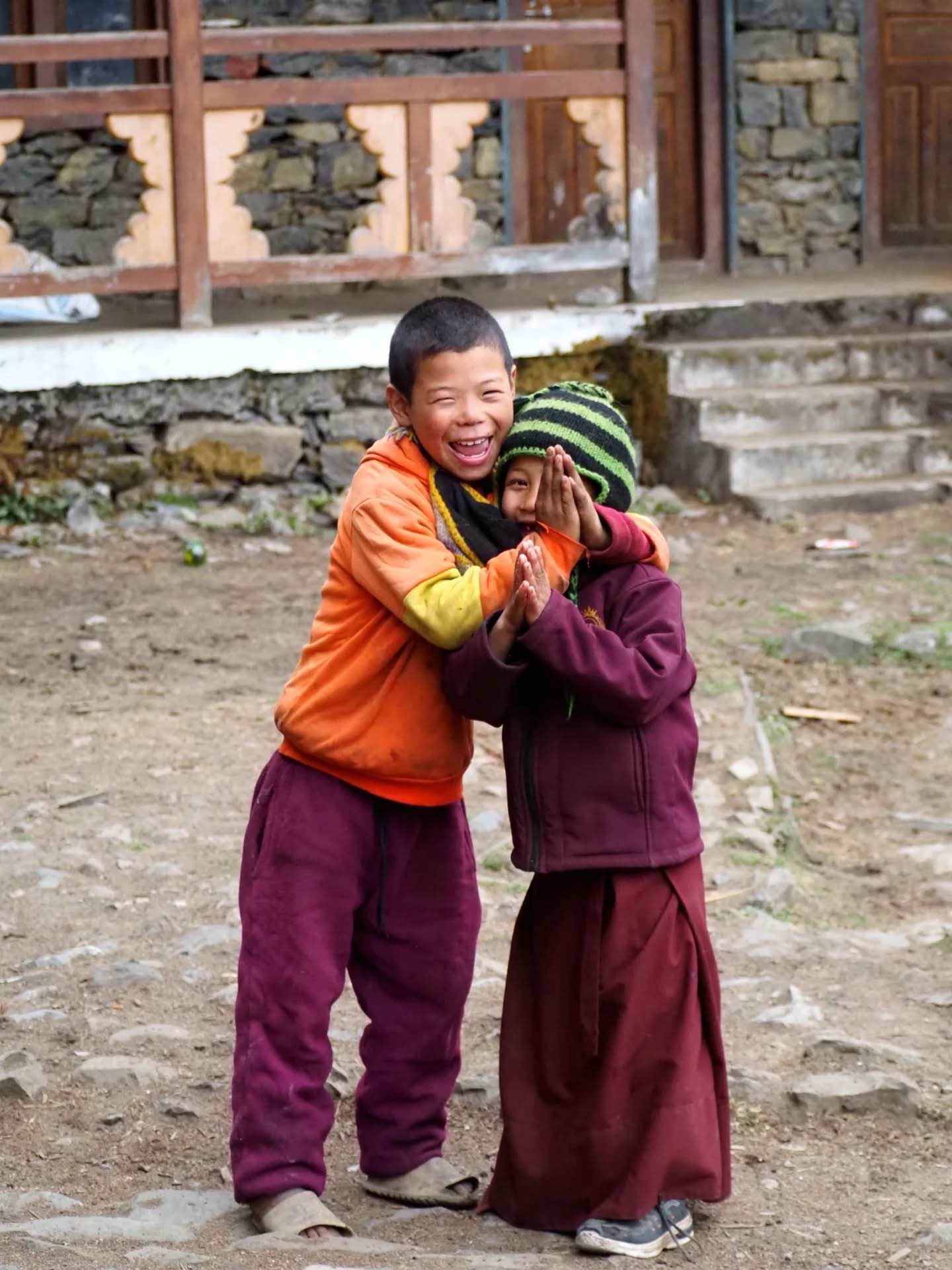
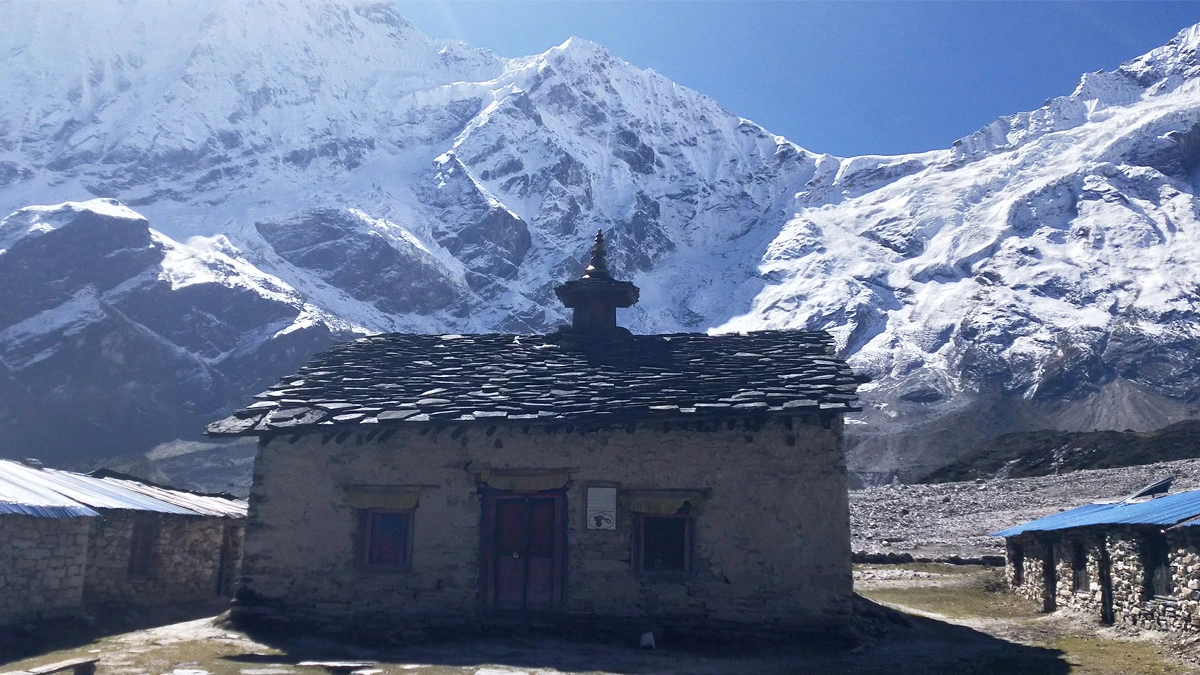
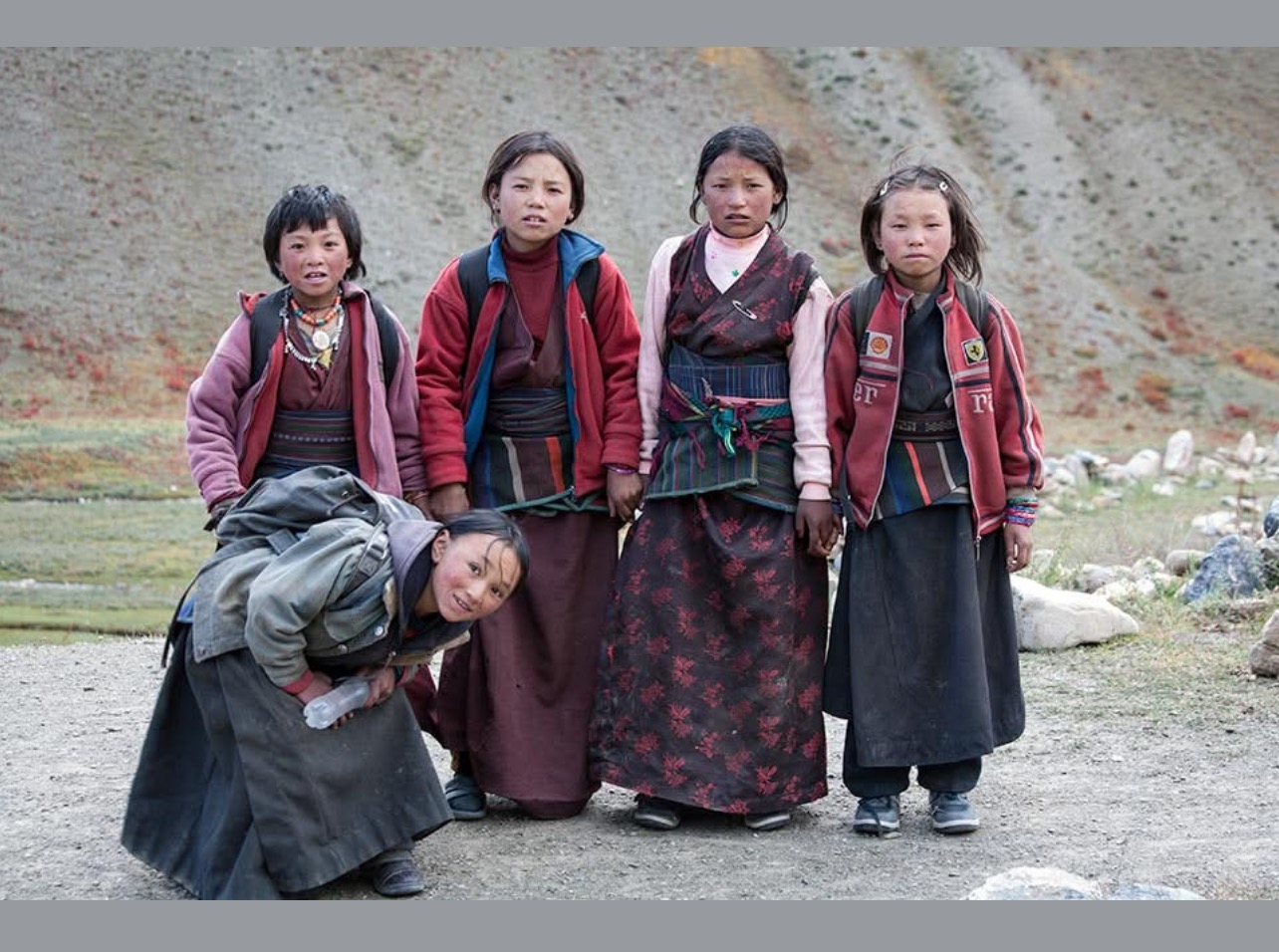
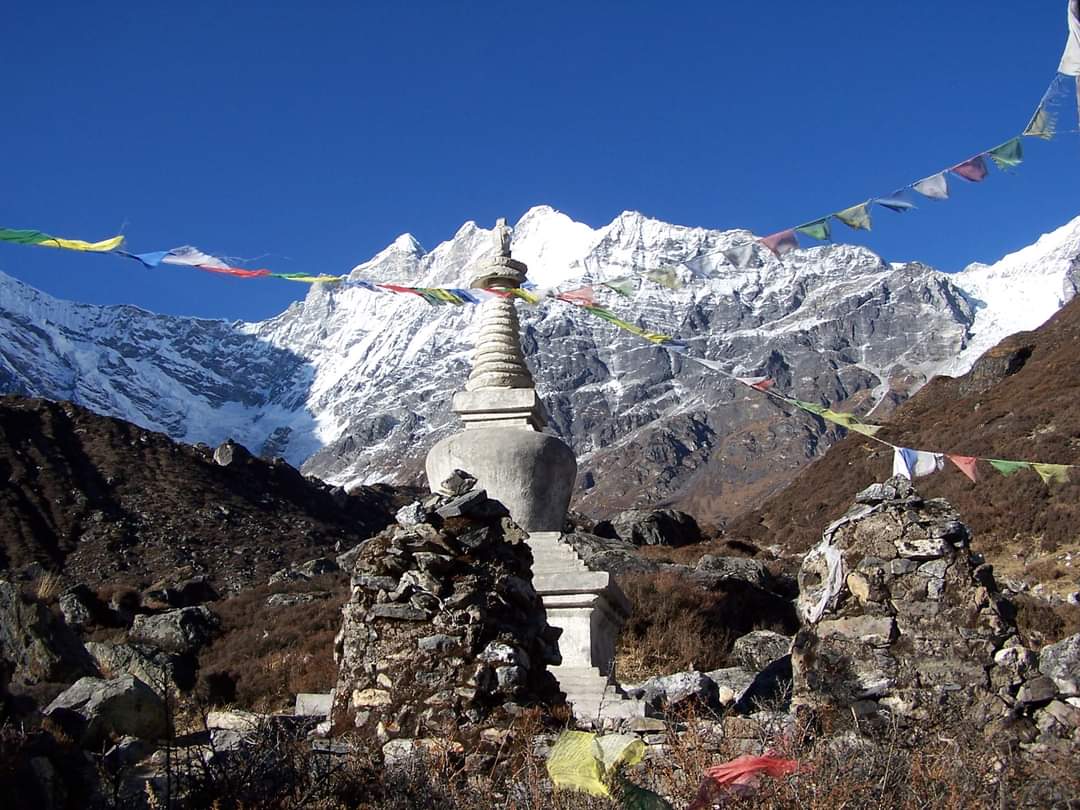
The Tsum Valley Trek is a 12-day Himalayan adventure through one of Nepal’s most remote and culturally preserved regions in the northern Manaslu area near the Tibetan border. Often called the “Hidden Valley of Happiness,” Tsum Valley offers a unique blend of breathtaking mountain scenery, ancient Tibetan Buddhist heritage, sacred monasteries, mani walls, chortens, meditation caves, and traditional villages inhabited by the Tsumba, Gurung, and Tamang communities. Unlike more commercial trekking routes, this trek provides an authentic cultural and spiritual experience in an untouched Himalayan landscape. At Dudhkunda Adventures Treks Pvt. Ltd., we lead this journey with local expertise, safety-focused planning, and meaningful cultural immersion.

Trip Overview

  • Trip Duration

    12 Days/11 Nights

  • Maximum Altitude

    3,705

  • Trip Difficulty

    Moderate

  • Best Months

    March-may and October to mid - December

  • Trip Start & End

    Machha Khola - Machha Khola

  • Meals

    B/L/D

  • Accomodation

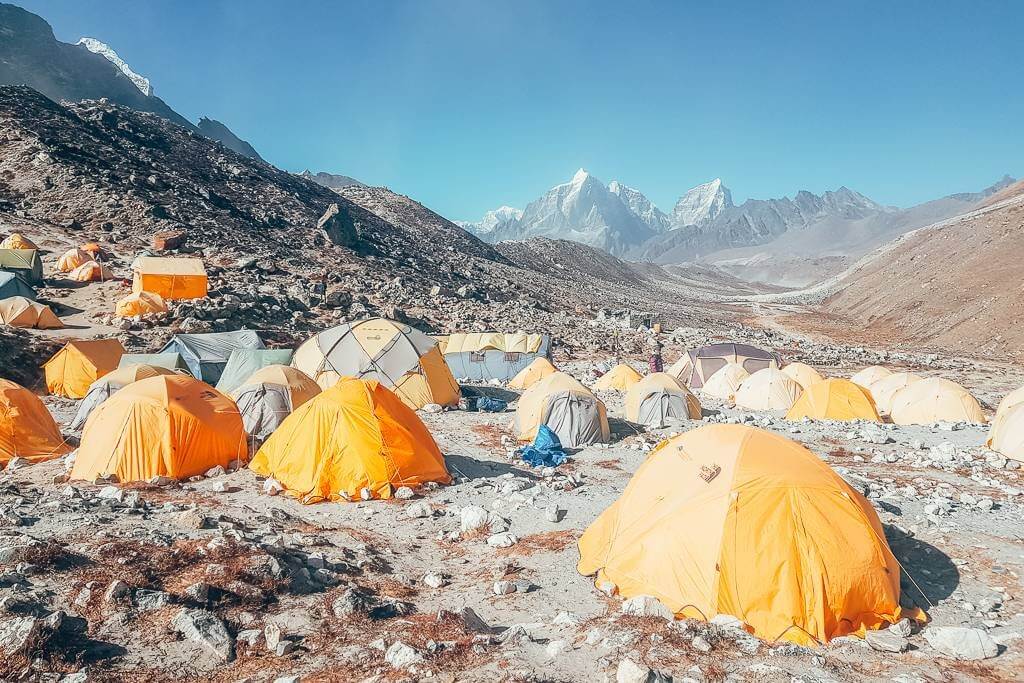
    Tea house

Highlights

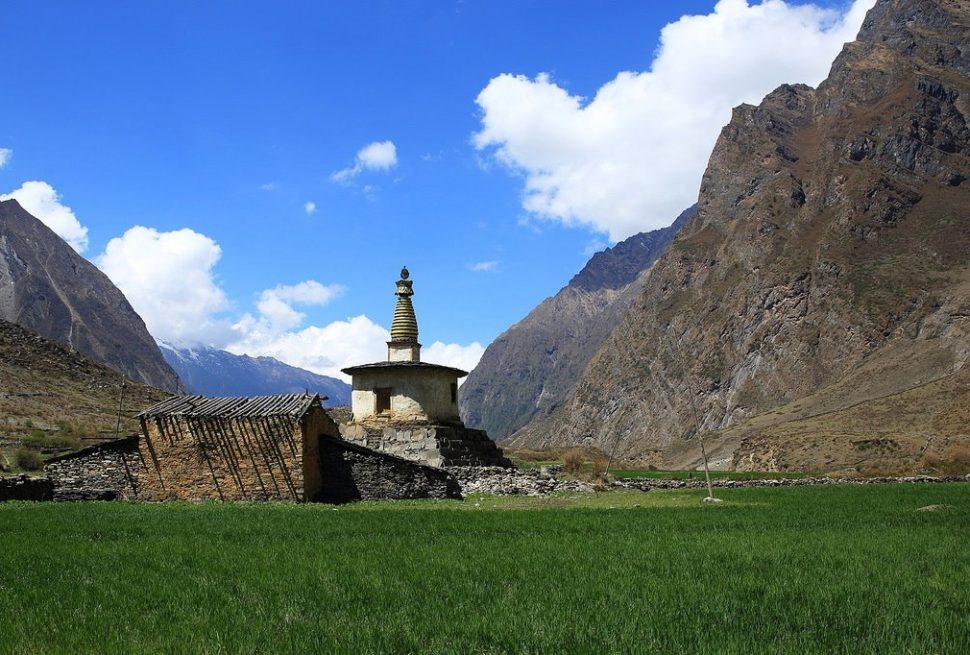
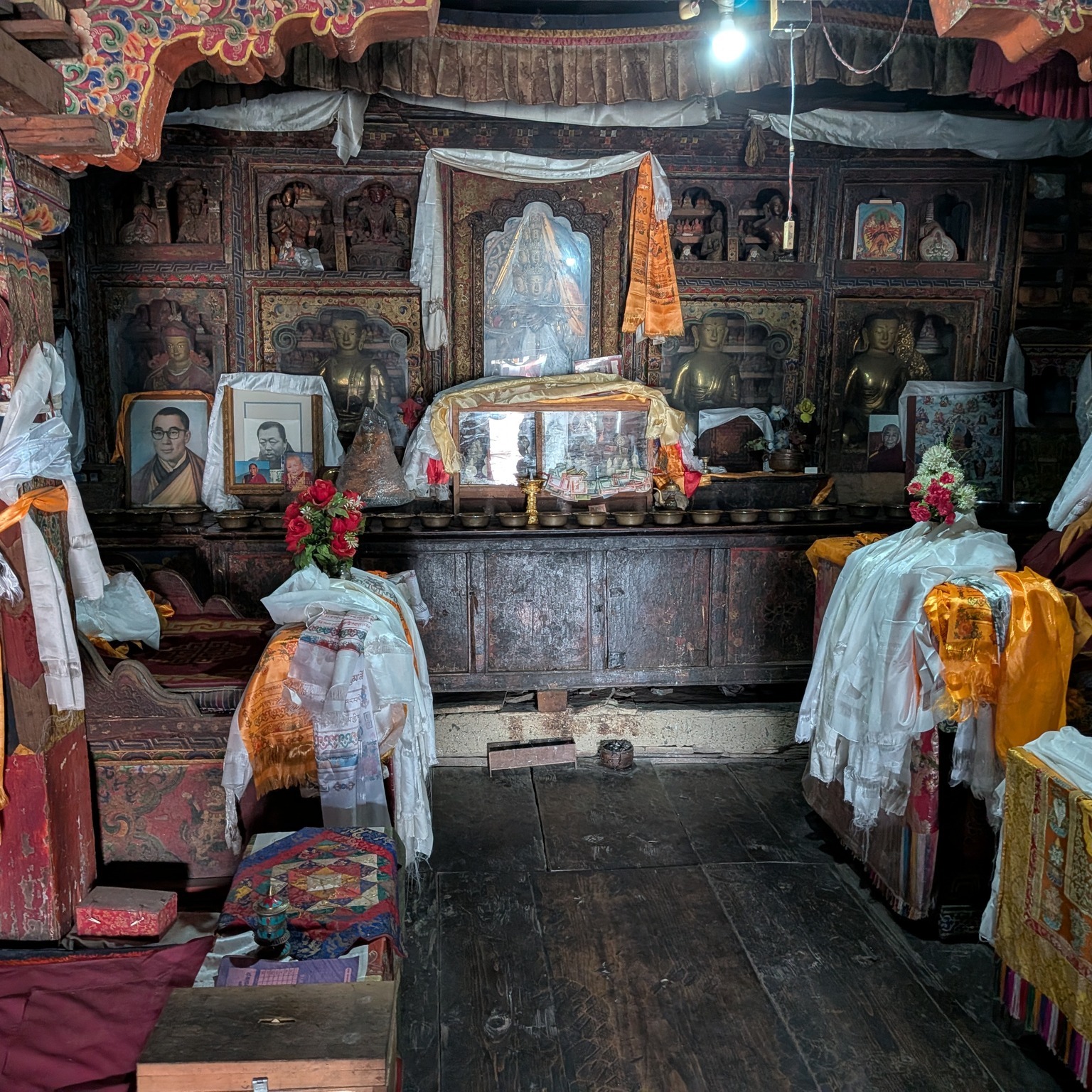
  • Visit Mu Gompa (3,700m), one of the most sacred monasteries in the Himalayas
  • Explore traditional villages like Philim, Chhokangparo, Nile, and Shambo
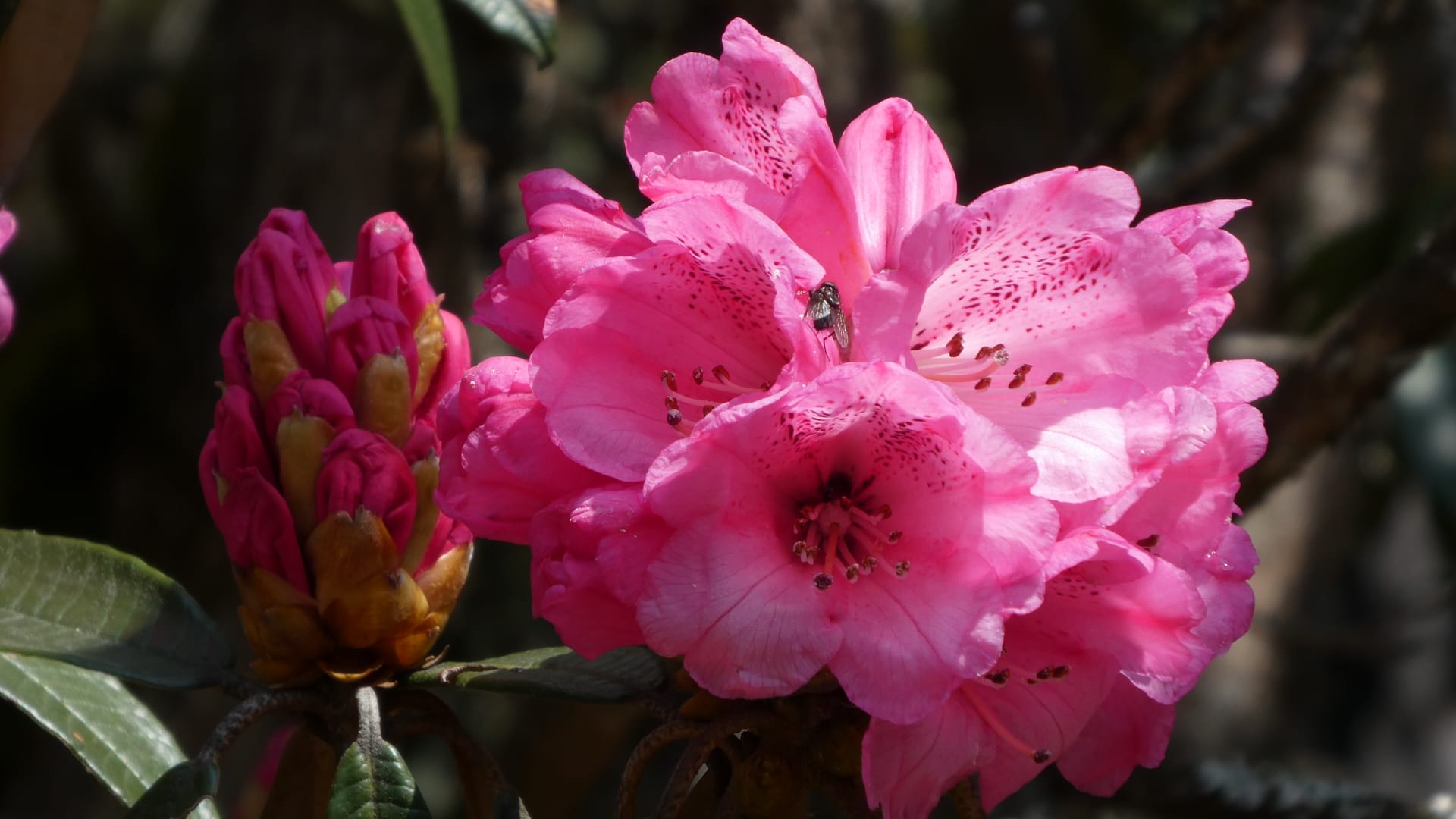
  • Walk through rhododendron, pine, and bamboo forests
  • Cross suspension bridges over deep Himalayan gorges
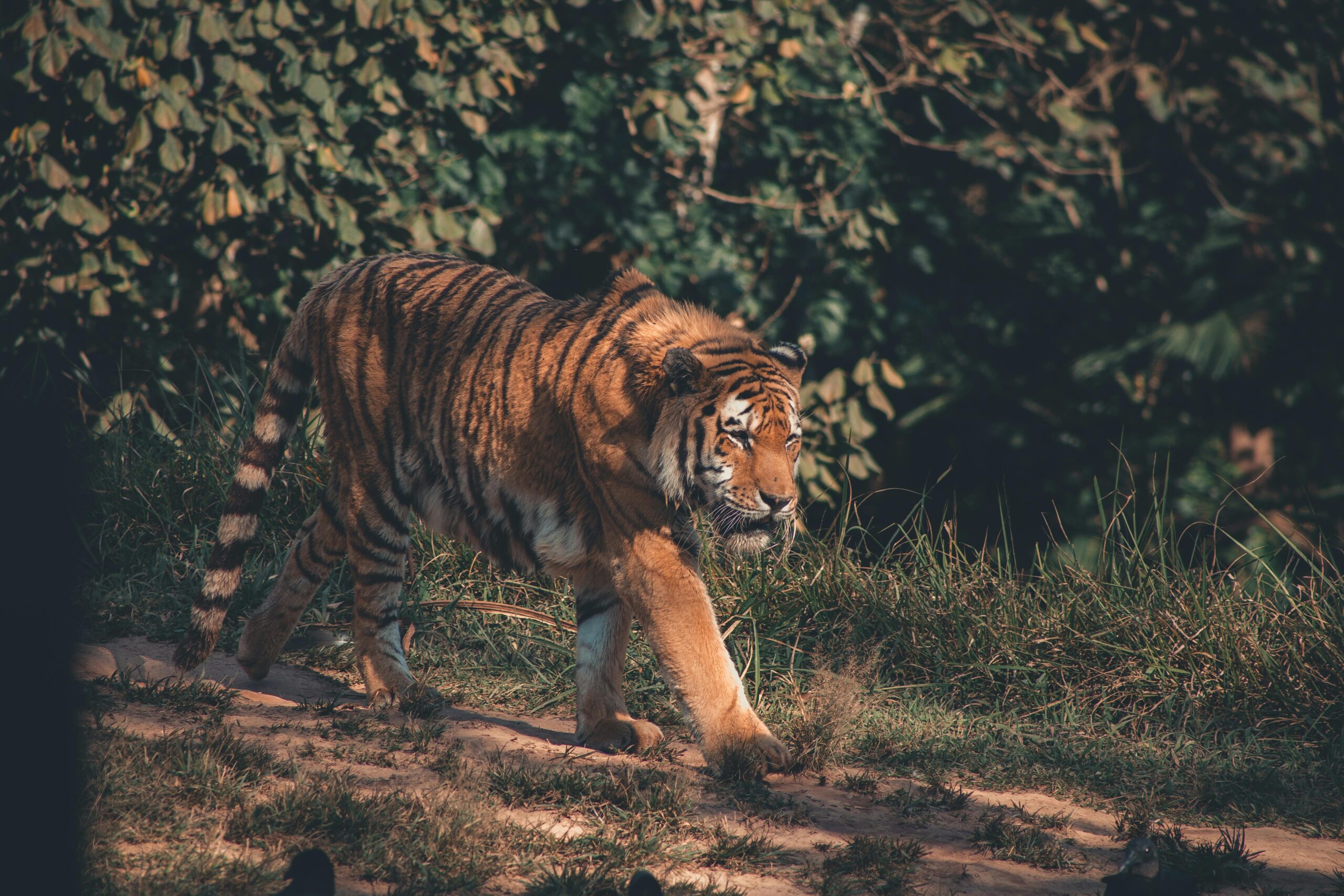
  • Spot rare Himalayan wildlife in protected natural habitats
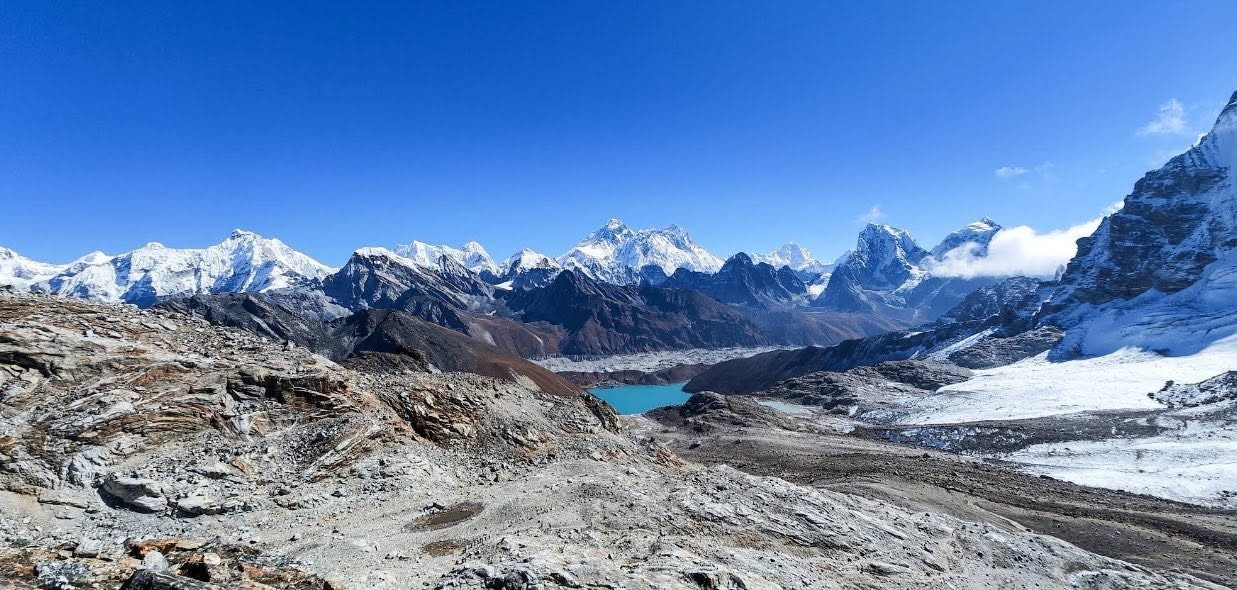
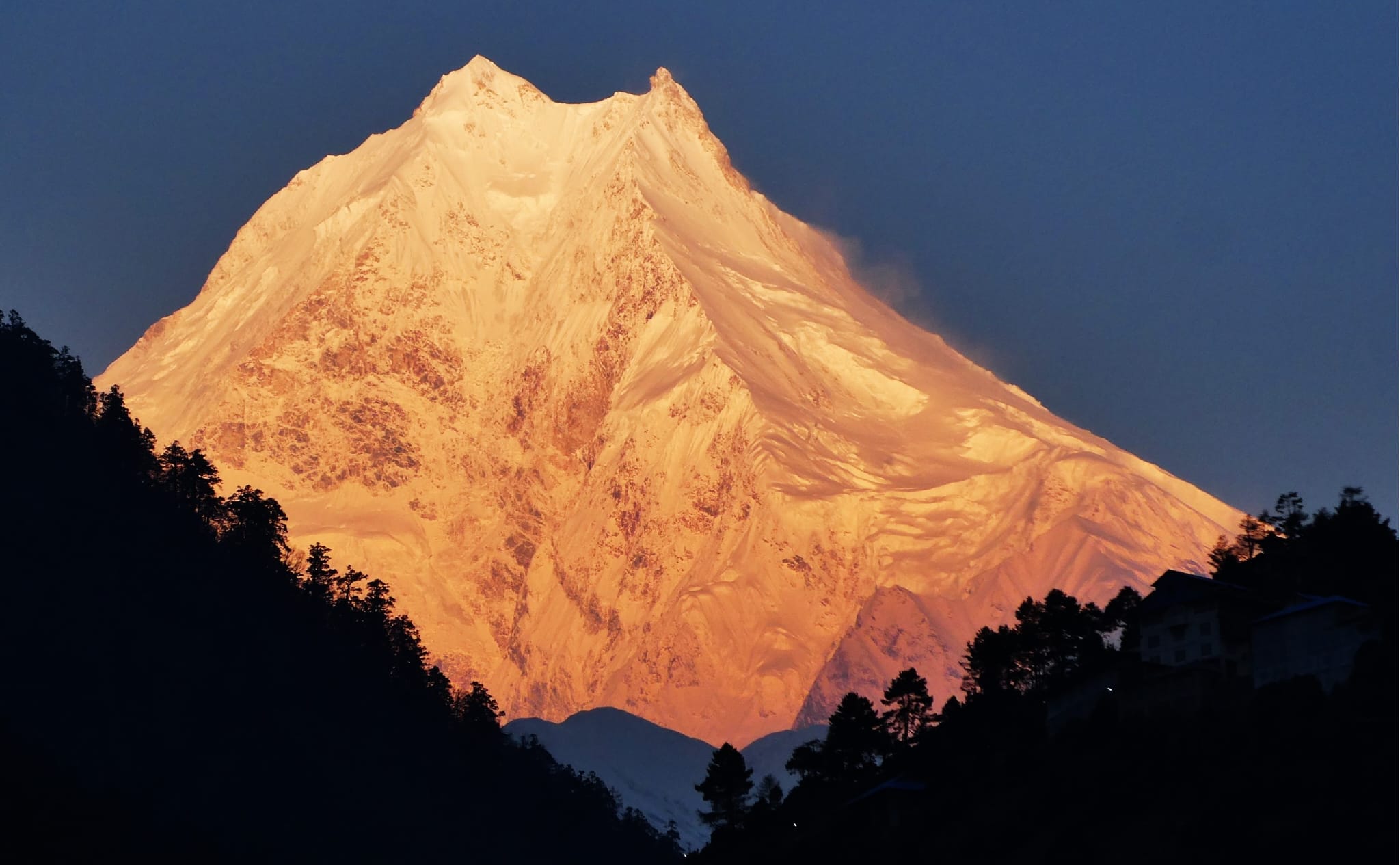
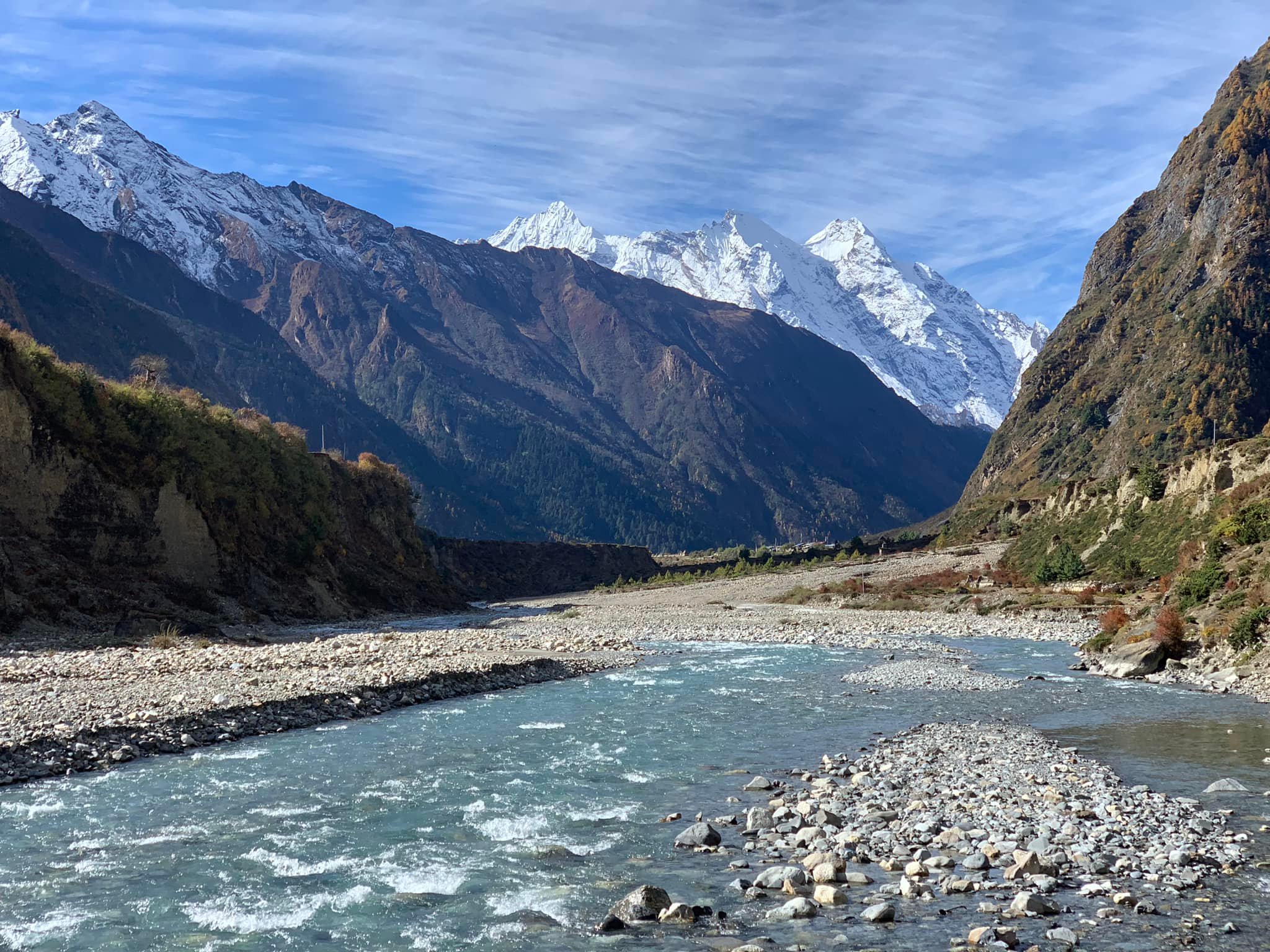
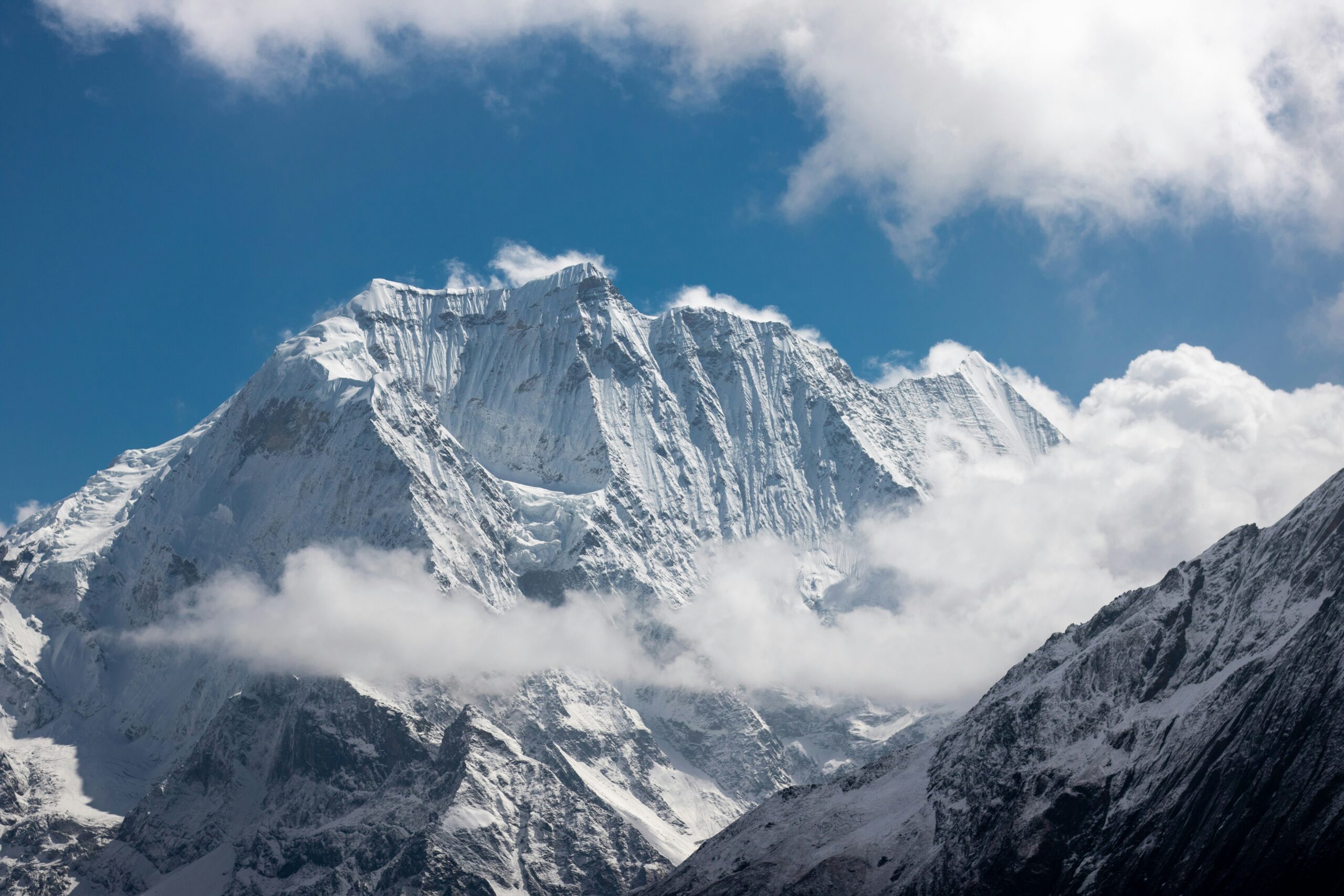
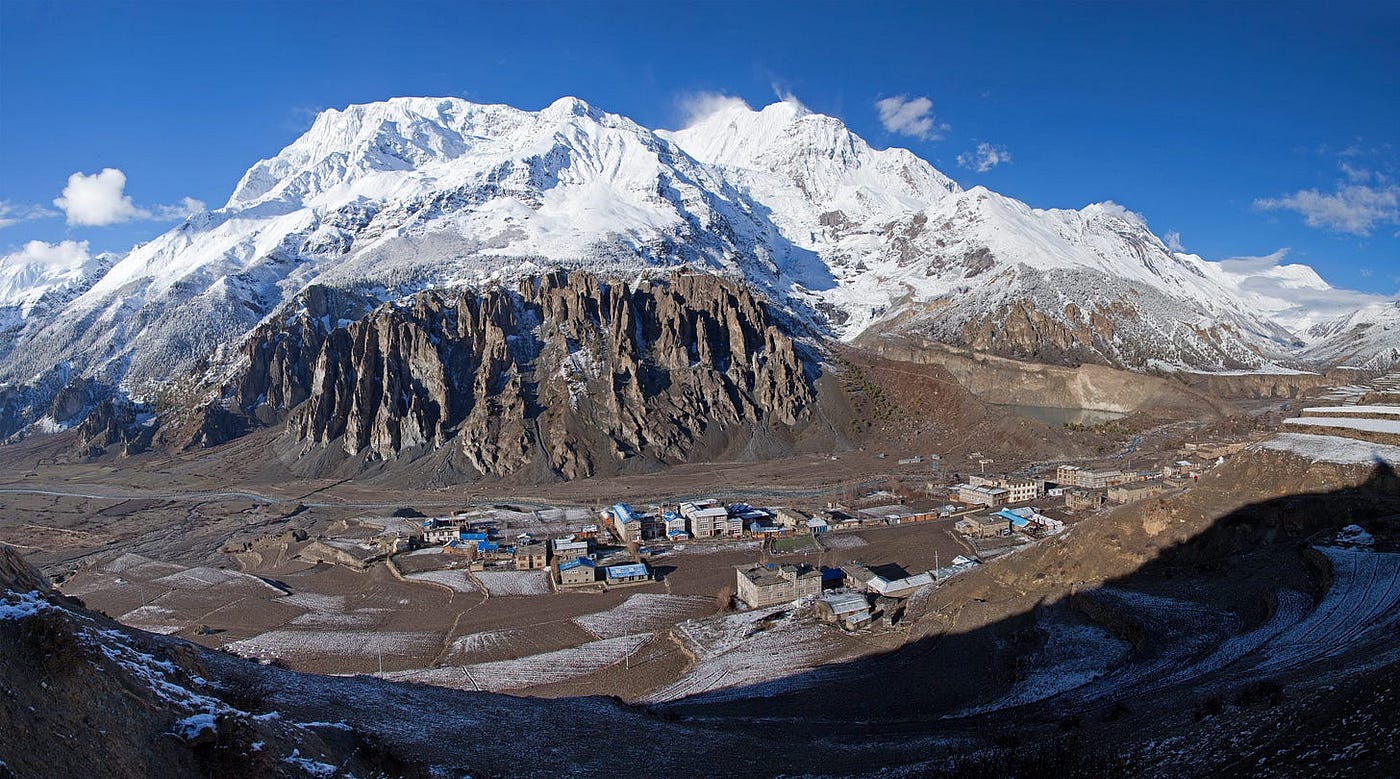
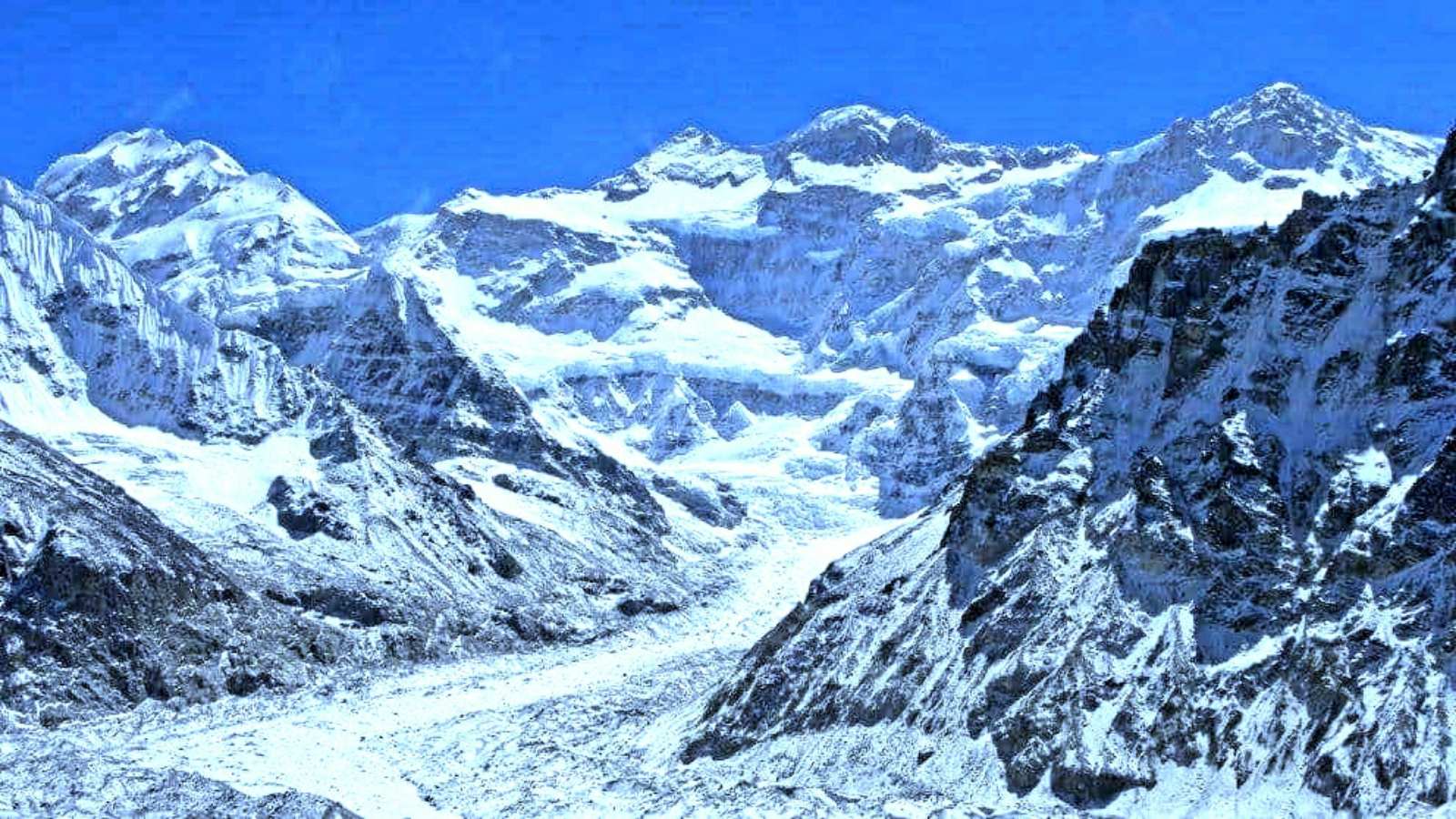
  • Experience panoramic views of Ganesh Himal (7422 m), Shringi Himal (7165 m), Kiyong Peak (5232 m), and Sar Peak (5266 m)
  • Stay in authentic teahouses with warm local hospitality

We’re here to get you on your way!

If you have any questions about your trip, travel dates, or itinerary, feel free to call or email us.

If you’d like to choose your own date, please fill out the enquiry form.

Enquiry Now

If you’d like to choose your own date, please fill out the enquiry form below.

Itinerary

YOUR DAY-TO-DAY JOURNEY

Day 1

Upon arrival in Kathmandu, the capital city of Nepal, our representative will warmly welcome you and transfer you to your comfortable hotel as per our service.

  • Altitude : 1400 m
  • Meal : B
Day 2

Our journey to Tsum Valley starts from Kathmandu along the Prithvi Highway beside the Trishuli River. After a 3–4 hour drive, we reach Dhading Besi, where we leave the main highway and continue toward Machha Khola. The route passes through beautiful landscapes and traditional villages like Arughat, Arkhet, and Soti Khola, offering views of rivers, forests, Ganesh Himal, and rural settlements. After another 3–4 hours of driving, we arrive at Machha Khola for an overnight stay.

  • Duration : 7-8hrs
  • Altitude : 869 m
  • Distance : 160 km/100 miles
  • Meal : B/L/D
Day 3

From today, the actual trek begins after breakfast at the teahouse. We cross a suspension bridge and walk toward Khorlabesi, then continue on an uphill trail to Tatopani (about 6 km, 1 hour), where you can relax at a natural hot spring. We then follow the Budi Gandaki River trail for about 1 hour (3 km) to reach Dobhan and continue toward Jagat via Yuru Khola, crossing another suspension bridge. We stay overnight in Jagat, an important entry point to the Manaslu region, known for its permit checkpoint, mani walls, waterfalls, and views of Shringi Himal.

  • Duration : 6-7hrs
  • Altitude : 1340 m
  • Distance : 20 km/12.43 miles
  • Meal : B/L/D
Day 4

Day 4 is a scenic trekking day with beautiful mountain views and traditional village life along the trail. After breakfast, we start trekking from Jagat on a gentle uphill path with views of the Budi Gandaki River. After a 2–3 hour hike, we reach Philim village and continue toward Chisapani, a scenic viewpoint over the river. From here, we proceed to Lokpa, following a safe cliffside trail with stunning landscapes. We stay overnight in Lokpa, a peaceful jungle village offering views of Ganesh Himal and Shringi Himal, along with a glimpse of Tibetan culture.

  • Duration : 5-6hrs
  • Altitude : 2240 m
  • Distance : 12 km/7.4 miles
  • Meal : B/L/D
Day 5

Day 5 begins the wild and remote section of the Tsum Valley trek. After breakfast, we start a steep uphill climb toward Sardi Danda. From there, the trail descends steeply for about 2 hours (3 km) through alpine forest and river landscapes until we reach Chumling. There are no teahouses in between, so lunch and overnight stay are in Chumling. Chumling is a small traditional village (2385 m) with around 10–15 houses, offering beautiful views of Ganesh Himal and Shringi Himal, along with monasteries and cultural sites.

  • Duration : 3-4hrs
  • Altitude : 2386 m/7825 ft.
  • Distance : 8 km/5 miles
  • Meal : B/L/D
Day 6

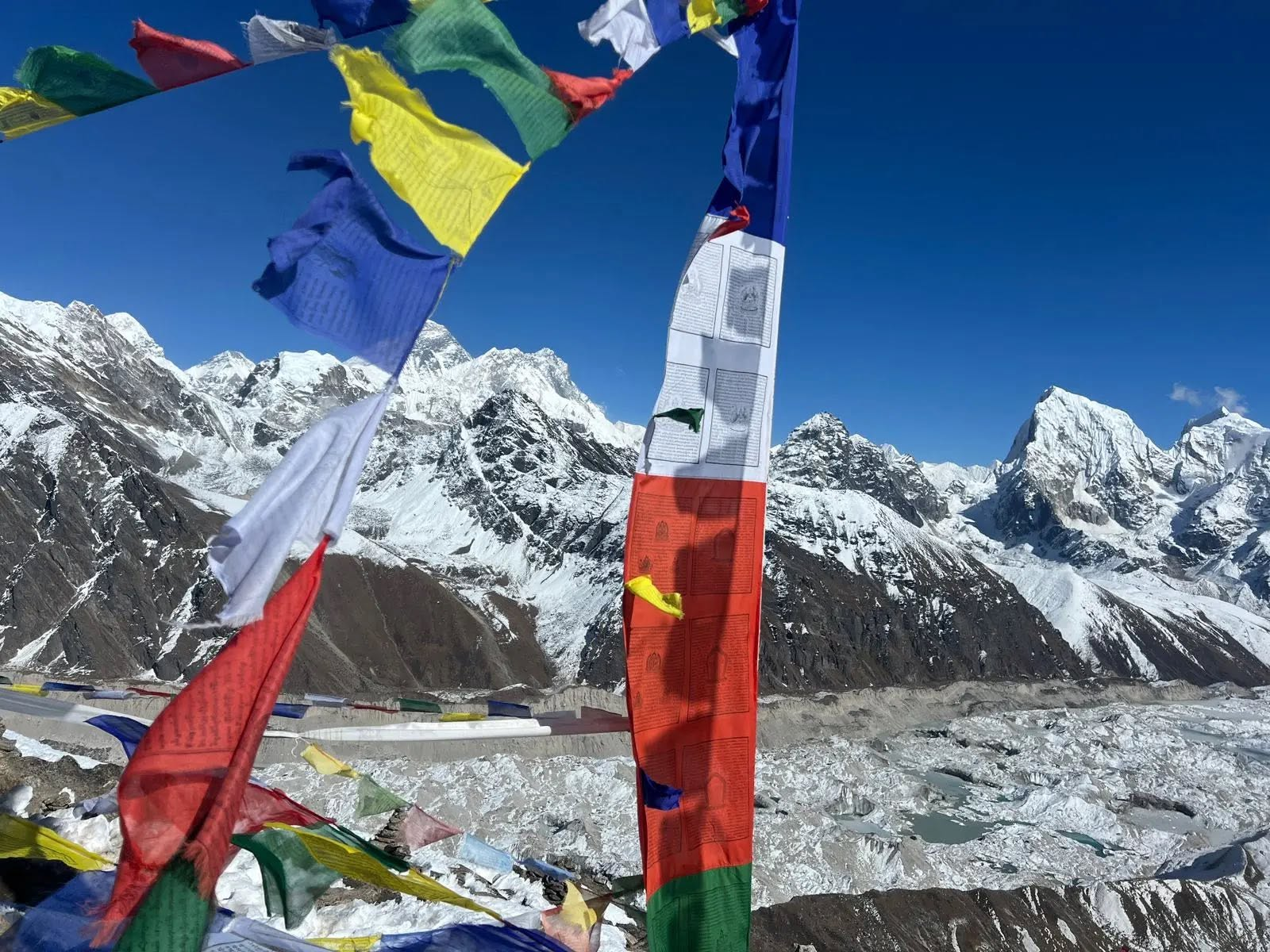
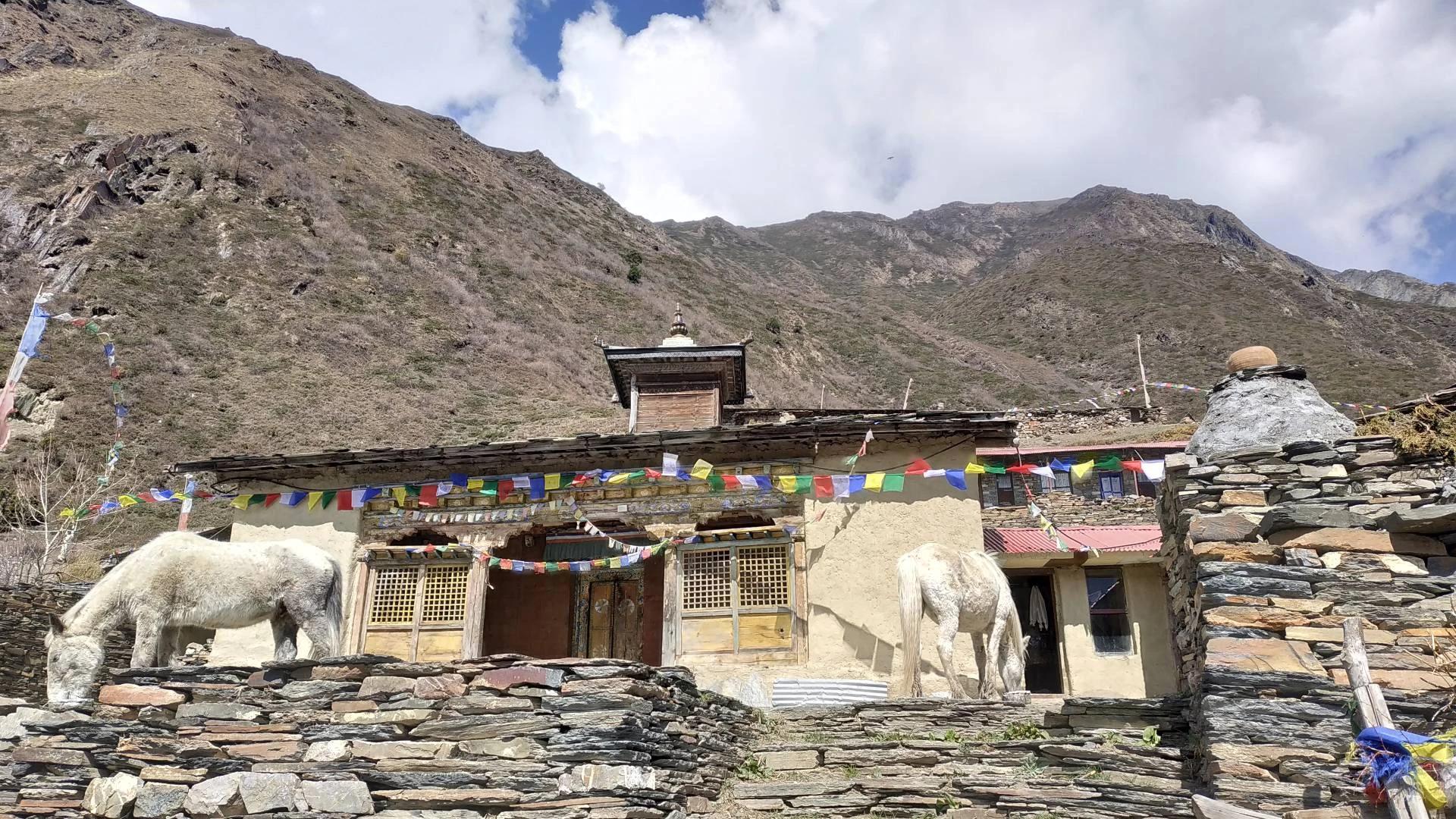
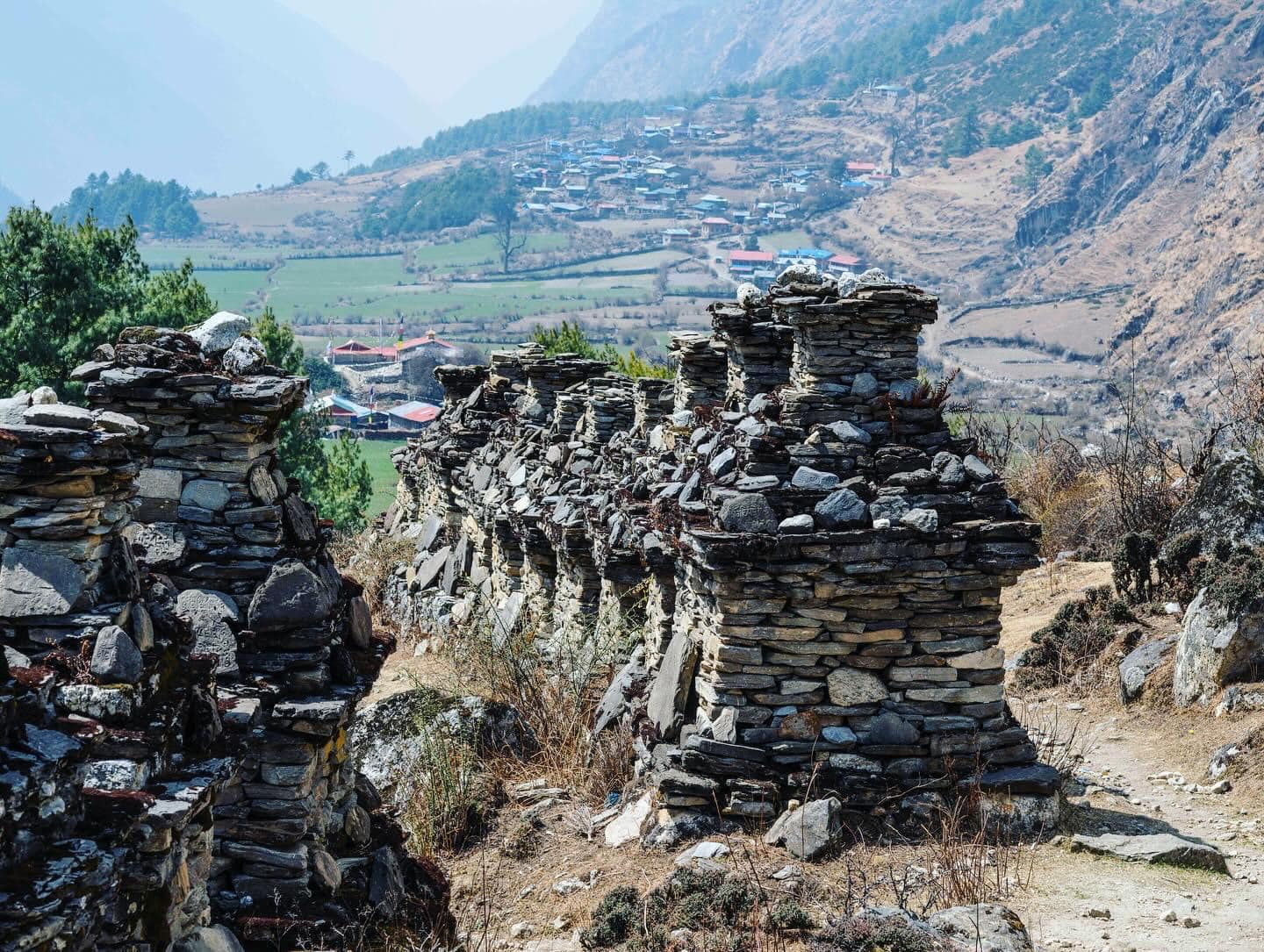
We begin our day with a steady uphill climb through lush forests, mani walls, and colorful Buddhist prayer flags. After some time, we reach Tumje (Domje). From Tumje, we cross the Syar River and continue on a challenging uphill trail. There are no villages or teahouses until Chhekampar, but along the way you can enjoy small stupas and beautiful cliffside scenery. We reach Chhekampar (Chhokang Paro), where we stop for lunch and an overnight stay. Chhekampar (3030 m) is a remote Tibetan-influenced village with traditional stone houses, mani walls, prayer flags, and Buddhist monasteries, offering a deep cultural experience of the Tsum Valley.

  • Duration : 4-5 hrs
  • Altitude : 3031 m
  • Distance : 9 km/5.5 miles
  • Meal : B/L/D
Day 7

This day is one of the most significant days of the trek as we officially enter the Tsum Valley region. After breakfast, we begin a gentle uphill walk for about 2–2.5 hours (around 5 km) to reach Lamagaon. Along the way, you pass traditional Tibetan-style villages decorated with prayer flags. From Lamagaon, we continue for about 1 hour (2 km) to reach Nile, where we stay overnight.

Nile (3360 m) is a scenic village with traditional houses and stunning panoramic views of Ganesh Himal, Shringi Himal, and surrounding mountain ranges.

  • Duration : 3-4hrs
  • Altitude : 3,361m
  • Distance : 7 km/4.3 miles
  • Meal : B/L/D
Day 8

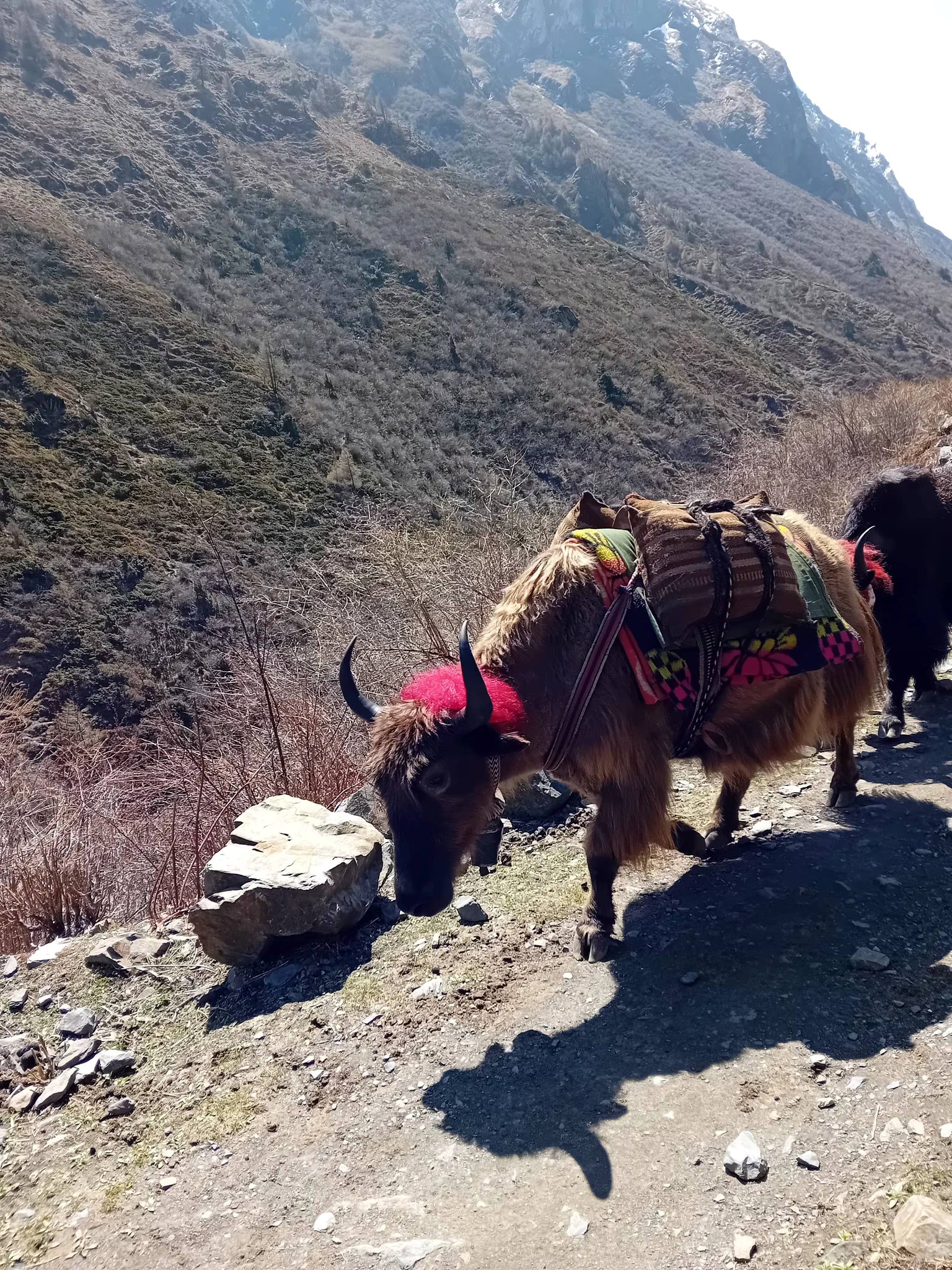
Today is the most iconic day of the trek, as we reach the final destination of the Tsum Valley, Mu Gompa. After breakfast in the Nile, we trek for about 2.5–3 hours (around 5 km) on a steady uphill trail toward Mu Gompa, walking close to the Tibetan border. There are no settlements along the way, but the route is scenic with mani walls, stupas, prayer flags, and river views. You may also spot wildlife such as Himalayan Tahr, Blue Sheep, and Yaks, and birds like Danphe, eagles, and vultures.

We stay overnight at Mu Gompa itself, experiencing monastery life and evening prayers. Mu Gompa (3,705 m) is the largest monastery in Tsum Valley, home to monks and a peaceful spiritual environment. From here, you can enjoy panoramic views of surrounding valleys and mountain ranges, including Ganesh Himal, Shringi Himal, and others, along with a short hike to Dhephu Doma Nunnery Gompa nearby.

  • Duration : 2-3 hrs
  • Altitude : 3,705 m
  • Distance : 5 km/3.1 miles
  • Meal : B/L/D
Day 9

Now it’s time to return from one of the most iconic treks in the Manaslu region. After breakfast at Mu Gompa, we begin our descent back to Chhekampar. The trail is mostly downhill and easier than the ascent. In about 1.5–2 hours, we reach Nile. From there, we continue toward Lamagaon, and then trek for about 2 hours to reach Chhekampar, where we stay overnight.

  • Duration : 4-5hrs
  • Altitude : 3,031 m
  • Distance : 12 km/7.5 miles
  • Meal : B/L/D
Day 10

On Day 10, we follow the same scenic return route, enjoying views of rivers, jungles, Mani walls, and traditional villages along the way. After breakfast in Chhekampar, we trek for about 3 hours to reach Chumling. We then climb for 1–1.5 hours to Sardi Danda, enjoying panoramic mountain views, and descend for 2–2.5 hours to reach Lokpa.

We stay overnight in Lokpa, completing a long but rewarding return journey.

  • Duration : 6-7hrs
  • Altitude : 2,240 m
  • Distance : 25 km/15.5 miles
  • Meal : B/L/D
Day 11

We begin the trek with a gradual downhill walk, enjoying stunning views of the Budi Gandaki River, valleys, and lush alpine forests along a scenic cliffside trail between Lokpa and Chisapani. After about 3 hours (8–9 km), we reach Philim via Chisapani. We then continue along the Budi Gandaki River toward Jagat, passing rivers, terraced farmlands, and traditional villages. After another 2–3 hours (7–8 km), we arrive at Jagat, where we stay overnight.

  • Duration : 4-5hrs
  • Altitude : 1,340 m
  • Distance : 12 km/7.4 miles
  • Meal : B/L/D
Day 12

Today after breakfast, we begin a scenic downhill trek from Jagat toward Machha Khola, passing beautiful villages like Dobhan, Tatopani, and Khorlabesi alongside the Budi Gandaki River. Along the way, the landscape gradually changes from alpine terrain to lush lower-altitude forests. After trekking for several hours, we reach Khorlabesi and continue another 2–3 hours to reach Machha Khola. We stay overnight in Machha Khola, celebrating the completion of our unforgettable trekking journey.

  • Duration : 7-8 hrs
  • Altitude : 1400 m
  • Distance : 160 km/100 miles
  • Meal : B/L/D
Day 13

This marks the final day of the Tsum Valley Trek. After breakfast, we have already arranged a private jeep to drive you back to Kathmandu. Your private jeep will be ready, allowing you to relax and enjoy the journey comfortably without any stress. The drive takes around 7–8 hours, passing scenic rivers, hills, and traditional villages. After arriving in Kathmandu, you can relax at your hotel or explore areas like Thamel or Kathmandu Durbar Square.

If you wish to continue your Nepal journey with a relaxing yet adventurous experience, we recommend visiting Chitwan National Park or Bardia National Park.

  • Duration : 7-8hrs
  • Meal : B/L
Day 14

This is your final day in Nepal. After breakfast, our guide will take you on a full-day sightseeing tour of three UNESCO World Heritage Sites: Pashupatinath, a sacred Hindu temple dedicated to Lord Shiva; Boudhanath Stupa, a major Buddhist pilgrimage site surrounded by monasteries; and Bhaktapur, a historic city known for its art, culture, and traditions.

In the evening, we invite you for a farewell dinner and sincerely thank you for trusting us with your Himalayan trek. It has been an honor to share Nepal’s culture, hospitality, and mountain lifestyle with you. We celebrate the memories made together and wish you a safe journey ahead, with hope to welcome you back again in Nepal.

  • Meal : D
Day 15

Today, you will leave Nepal, and we will drop you off at the airport according to your flight schedule.

Note: The itinerary may be adjusted due to weather or group conditions and can be customized to your preferences, including accommodation options in Kathmandu.

Trip Accomodation Summary

This tour includes a 3-star hotel in Kathmandu within walking distance of Thamel or near Boudhanath and tea house accommodation during the trek. Tea houses are basic but comfortable and provide a simple, authentic mountain experience with limited facilities in remote areas.

Included

  • Airport pick-up and drop-off service
  • All ground transportation by private vehicle
  • 3 nights in Kathmandu hotel on a bed & breakfast basis
  • RAP, MCAP, and Chumnubri Rural Municipality permit
  • 11 nights teahouse accommodation during the trek on a full-board basis, with tea and coffee included during meals
  • 1 certified mountain guide fluent in English and other major international languages (as per your need)
  • 1 porter for every 2 trekkers
  • Trek staff insurance, food, accommodation & daily wages
  • First aid kit
  • 24-hour administrative support

Not Included

  • International airfare (arrival and departure flights)
  • Nepal visa fee
  • Travel and personal insurance (including high-altitude trekking and emergency evacuation coverage)
  • Lunch and dinner in Kathmandu
  • Breakfast in Kathmandu (unless specified in inclusions)
  • Personal trekking equipment and gear
  • Personal expenses such as battery charging, laundry, telephone, Wi-Fi, and hot showers at teahouses
  • Drinks and beverages not included in meals (soft drinks, bottled water, alcohol, etc.)
  • Snacks during trekking (energy bars, chocolates, etc.)
  • Emergency evacuation and rescue costs if not covered by insurance
  • Additional accommodation or transportation due to unforeseen delays (weather, landslides, flight changes, strikes, etc.)
  • Tips for guides, porters, and support staff
  • Any other expenses not mentioned in the “Inclusions” section
FAQ

ESSENTIAL INFO

Nepal Visa Information

Most travelers require a visa to enter Nepal. You can obtain a tourist visa either before your trip through a Nepalese embassy or upon arrival at Tribhuvan International Airport in Kathmandu.

Visa on Arrival Fees

  • 15 Days: USD 30
  • 30 Days: USD 50
  • 90 Days: USD 125

All tourist visas are issued as multiple-entry visas. Travelers holding European passports may also pay the equivalent amount in Euros (EUR) or British Pounds (GBP). Visa fees must be paid in cash upon arrival.

To obtain your visa, you will need:

  • A valid passport with at least six months’ validity
  • One recent passport-sized photograph
  • A completed visa application form (available at the airport or through electronic registration kiosks)

After completing the application, pay the visa fee at the designated counter and then proceed to the immigration desk to receive your visa stamp. During peak travel seasons, processing lines can be lengthy, so we recommend completing the online visa application in advance whenever possible.

Important Notes

  • Citizens of India do not require a visa to enter Nepal.
  • Citizens of certain countries, including Afghanistan, Nigeria, Ghana, Cameroon, Iraq, Somalia, Syria, and a few others, are required to obtain a visa in advance from a Nepalese diplomatic mission before traveling to Nepal.

For the latest visa regulations and requirements, please consult the nearest Nepalese embassy or consulate before your departure.

Travelers coming to Nepal are not required to take any mandatory vaccinations. However, it is generally recommended that routine immunizations be kept current, including Tetanus, Diphtheria, Polio, Typhoid, and Hepatitis A, for better health protection during travel.

Malaria is not a widespread concern in most of Nepal, but it can be found in some lowland areas such as the Terai region, including places like Chitwan. Visitors planning to travel to these regions are advised to take necessary precautions after consulting a medical professional.

Dengue fever is also present in certain parts of the country and is transmitted by mosquitoes, primarily during daytime hours. Since there is no specific vaccine or preventive medicine widely available for dengue, avoiding mosquito bites through repellents, proper clothing, and protective accommodation is the most effective prevention method.

For trekkers, high-altitude routes in Nepal may present the risk of Acute Mountain Sickness (AMS). Although trekking itineraries are designed with gradual ascent and acclimatization in mind, symptoms can still occur and should not be ignored. Proper hydration, slow ascent, and immediate communication with guides are strongly advised if any signs of altitude sickness appear.

Breakfast is included according to the selected meal plan and is provided daily during the trip. On trekking days, breakfast is typically served as a fixed menu with nutritious, energy-rich options such as Tibetan bread, eggs, and fresh seasonal fruits, along with tea or coffee. Any extra items ordered beyond the set breakfast menu are chargeable separately.

Lunch and dinner are not included in the trekking package, allowing travelers the flexibility to select meals directly from teahouse or lodge menus. These menus usually feature a variety of local dishes, including the traditional dal bhat, as well as simple international meal options.

For health and safety reasons, it is generally advised to avoid consuming meat during the trek due to limited refrigeration and storage facilities in remote areas. Additionally, imported food items and beverages tend to be more expensive along trekking routes compared to city prices.

Staying properly hydrated is very important during trekking, particularly at higher altitudes. It is generally recommended to drink around 3–4 liters of water per person per day.

To help reduce plastic waste in Nepal’s mountain regions, the use of single-use bottled water is discouraged. Instead, most teahouses provide free cold drinking water on request, although it should always be treated before consumption.

Trekkers are advised to carry a reusable water bottle, preferably with a wide mouth such as a Nalgene bottle, along with a reliable water purification method. A SteriPEN is commonly recommended, as it uses UV light to effectively treat clear water, is lightweight, battery-operated, and easy to use on the trail. In many trekking areas, bottled water is already UV-treated, so using a Steripen provides a similar level of safety without generating plastic waste.

As an alternative, teahouses also offer boiled water for purchase, typically ranging from Rs. 150 to 300 per liter, with prices increasing at higher elevations. Boiled water is safe to drink without additional treatment and is especially useful in the evenings, as it can also be used to keep water bottles warm overnight.

During camping treks, safe drinking water is provided in boiled form by the support crew.

Nepal’s primary trekking period generally runs from October through mid-May, when weather conditions are more stable, skies are clearer, and temperatures are suitable for trekking.

Temperatures Overview

  • Kathmandu Valley: approximately 15°C to 35°C
  • Around 3,600 meters: around 10°C, with temperatures decreasing further with altitude
  • High elevations: cold daytime conditions and very cold nights, often dropping below freezing

Trekking Seasons

Autumn (Mid-September to November)
Considered the most favorable trekking season in Nepal, offering clear skies, consistent weather, and excellent mountain visibility. At higher elevations, nighttime temperatures can fall to around –10°C or even lower.

Spring (March to May)
This season is generally warmer, particularly in lower regions where temperatures may reach up to 35°C in places like Kathmandu. Although occasional afternoon haze may reduce visibility, spring is popular for its blooming landscapes and longer daylight hours.

High-Altitude & Summit Conditions

Snowfall can occur at any time of the year in higher regions. On summit or high-pass days, trekking often begins very early in the morning, typically around 2:00 AM, when temperatures can be extremely low—sometimes reaching –25°C or more with wind chill. Strong winds may also be encountered at altitude.

As mountain weather is highly unpredictable, proper clothing, preparation, and flexibility in planning are essential for a safe and enjoyable trekking experience.
Pricing & Booking

Standard Price

USD 999

Per Person
Total Price
USD
Essentials

Equipment Checklist

Have all the necessary details and essentials in place for a safe and pleasant trip.

Trekking Gear/Equipment

  • Hiking Boots
  • Runners or Sandals
  • Mid-weight Hiking Socks x 5
  • Shorts x 1
  • Lightweight Trekking Trousers x 1
  • Synthetic/Wool/Silk Long Johns
  • Long Sleeve Base Layers x 2
  • Short Sleeve Base Layers x 2
  • Mid-weight Fleece x 2
  • Down Jacket
  • Waterproof Jacket
  • Waterproof Poncho or Umbrella
  • Waterproof Trousers
  • Fleece Hat & Sun Hat (wide brim)
  • Balaclava/Buff
  • Sunglasses (category 3)
  • Lightweight Synthetic Liner Gloves
  • Down Mitts

Medical/Safety

  • Personal first-aid kit
  • Prescription medications (if required)
  • Pain relief medication
  • Bandages and blister treatment supplies
  • Antiseptic wipes or solution
  • Adhesive tape and gauze

Hygiene & Personal Care

  • Toothbrush and toothpaste
  • Biodegradable soap
  • Shampoo (travel-size)
  • Quick-dry towel
  • Toilet paper or tissue packs
  • Wet wipes

Electronics

  • Mobile phone
  • Power bank (high capacity)
  • Camera (optional)
  • Extra batteries / charging cables
  • Universal travel adapter
  • Headphones / earphones

General /Important Documents & Items

  • Passport (valid for at least six months)
  • Visa and entry permits (if required)
  • Travel insurance documents
  • Flight tickets and itinerary
  • Trekking permits and park entry passes
  • Passport-sized photographs
  • Copies of passport and important documents
  • Diamox (tablet form, not capsules)
  • Iodine or Chlorine Tablets for Water
  • Purification (Although drinking water provided to you is treated correctly)
  • Swimming Suit (for hotel pool)
  • Sleeping Bag Liner
  • Earplugs
  • Power Adapter – Plug C are used in Nepal

Read More From Our Travelers

Enquire Now

PLAN YOUR NEXT TREK IN NEPAL WITH OUR TRAVEL EXPERTS

Start your Himalayan journey with confidence. Our travel experts are always available to assist you instantly via WhatsApp or email.
Send us your query; we aim to respond within 24 hours.