


HIGH ALTITUDE SICKNESS: A COMPLETE GUIDE FOR TREKKERS IN NEPAL.
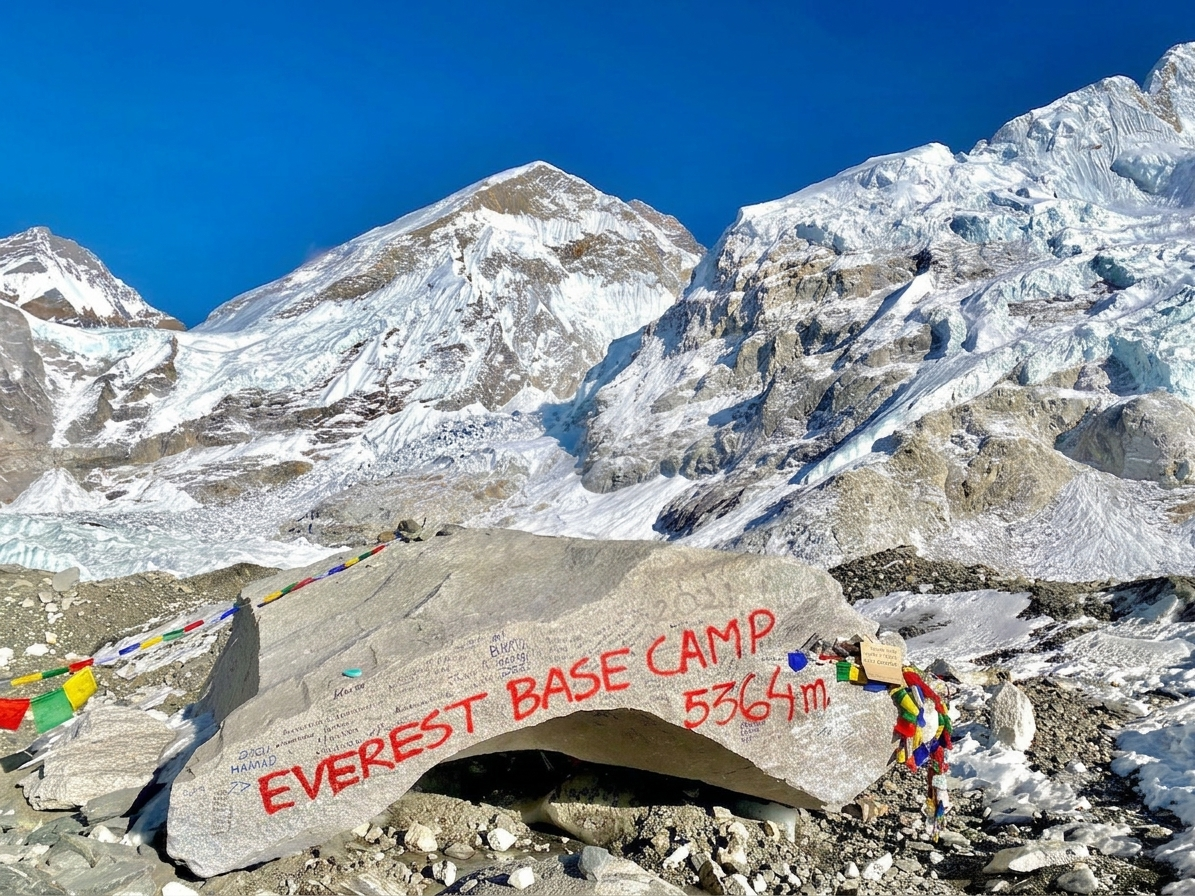
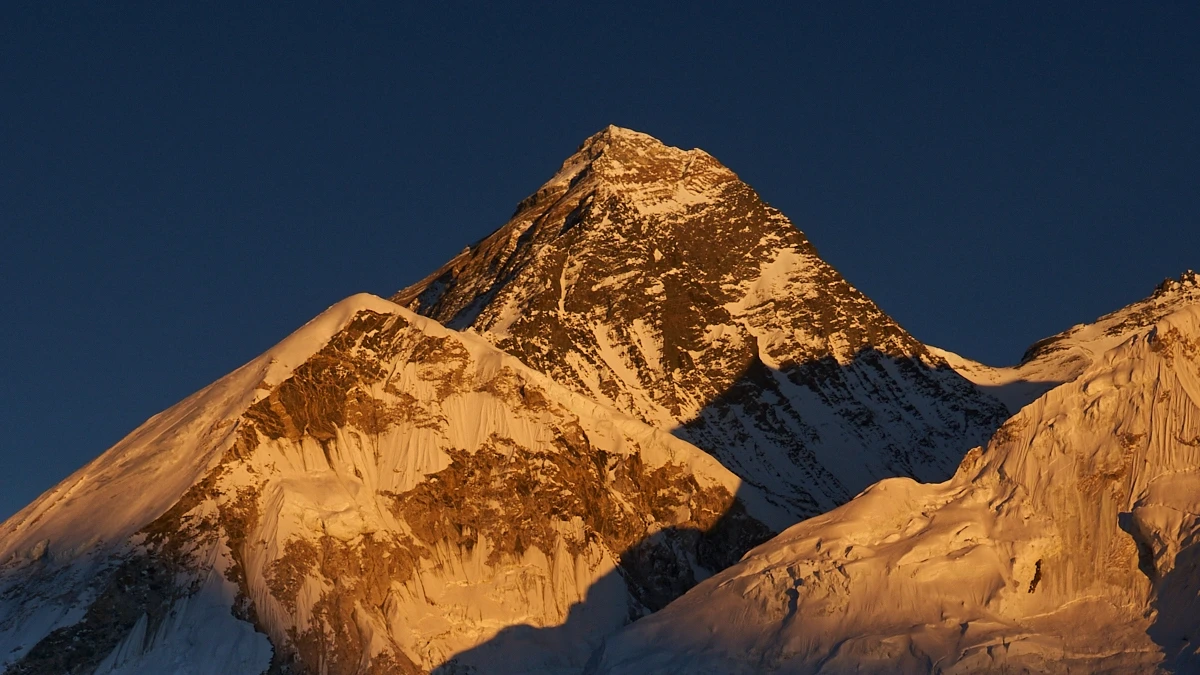
High mountains offer unmatched beauty; however, they also demand respect. Whether you’re heading toward Everest Base Camp, exploring the Annapurna Base Camp, or climbing Island Peak, understanding high-altitude sickness is essential. In fact, it can make the difference between a life-changing journey and a dangerous situation.
What is high-altitude sickness?


High-altitude sickness, also known as acute mountain sickness (AMS), occurs when your body struggles to adapt to lower oxygen levels at high elevations. Generally, it begins above 2,500 meters. As you ascend higher, the air becomes thinner, and your body needs time to adjust.
In simple terms, your body is not getting enough oxygen—therefore, symptoms start to appear.
Common Symptoms You Should Never Ignore
Initially, symptoms may seem mild. However, they can quickly worsen if ignored.
- Headache (most common sign)
- Nausea or vomiting
- Dizziness or lightheadedness
- Fatigue and weakness
- Loss of appetite
- Difficulty sleeping
Moreover, in severe cases, it can develop into:
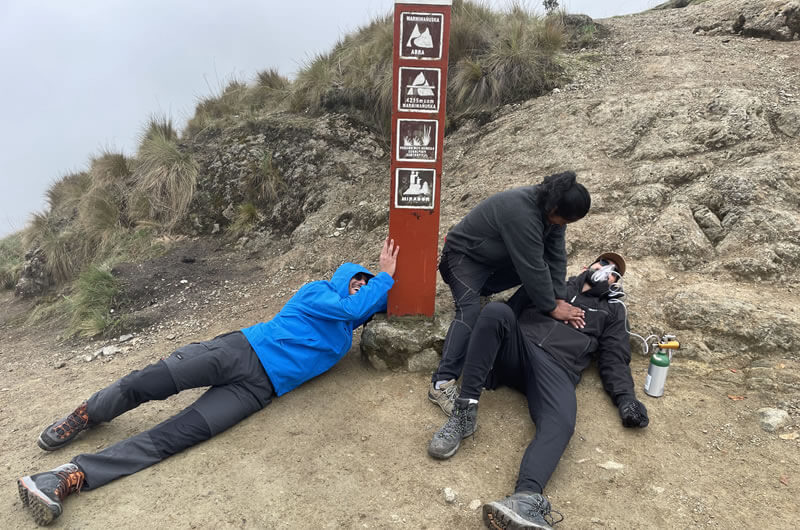
- HAPE (High Altitude Pulmonary Edema – fluid in lungs)
- HACE (High Altitude Cerebral Edema – swelling in brain)
Both conditions are life-threatening—therefore, immediate descent is critical.
Why Does It Happen?


As altitude increases, oxygen levels decrease. As a result, your body cannot function normally without proper acclimatization.
Key causes include:
- Ascending too quickly
- Lack of acclimatization days
- Dehydration
- Overexertion
- Alcohol or smoking at altitude
In other words, rushing your trek is the biggest mistake you can make.
How to Prevent Altitude Sickness
Fortunately, altitude sickness is preventable if you follow the right approach.
1. Ascend Gradually
First and foremost, do not rush. Gain no more than 300–500 meters per day after 3,000m.
2. Acclimatization Days
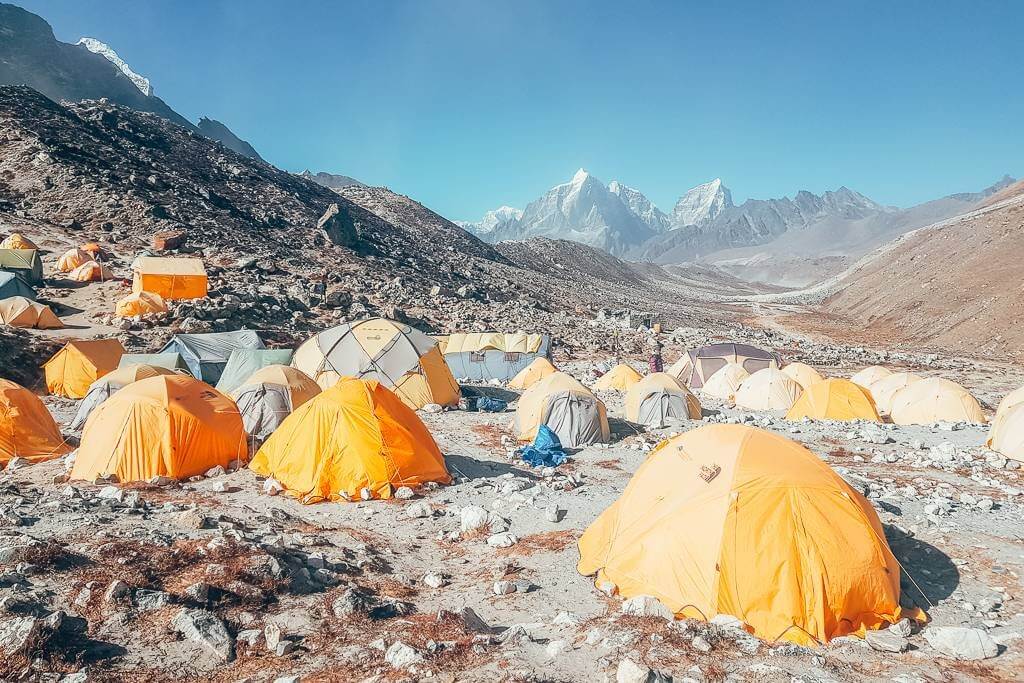
For example, popular treks like Everest Base Camp include rest days in Namche Bazaar and Dingboche. These are not “rest” days—they are essential for adaptation.
3. Stay Hydrated
Additionally, drink at least 3–4 liters of water daily.
4. Eat Well
Even if appetite drops, force yourself to eat energy-rich meals.
5. Listen to Your Body
Most importantly, never ignore symptoms. If symptoms worsen, descend immediately.
Best Practices for Trekkers in Nepal


When trekking in Nepal, preparation and guidance matter.
- Choose a well-planned itinerary
- Trek with experienced guides
- Avoid comparing your pace with others
- Carry basic medication (like Diamox, if prescribed)
Furthermore, professional trekking companies monitor your condition daily—making your journey safer and more enjoyable.
When to Descend Immediately
Even with precautions, things can go wrong. Therefore, descend if you experience:
- Severe headache that doesn’t improve
- Difficulty breathing
- Confusion or loss of coordination
- Persistent vomiting
At this point, no summit or viewpoint is worth the risk.
Final Thoughts
The Himalayas are powerful and unpredictable. However, with proper knowledge and preparation, you can explore them safely.
Ultimately, trekking is not about reaching the top—it’s about returning safely with unforgettable memories. So, take your time, respect the altitude, and enjoy every step of your journey.
Plan Your Safe Adventure
Ultimately, if you are planning a trek to Everest Base Camp, Annapurna Base Camp, or Island Peak, you must ensure your itinerary prioritizes acclimatization and safety. Furthermore, safety always comes first in the mountains. Consequently, Dudhkunda Adventure Treks and Expedition has built a strong reputation for delivering safe treks by utilizing professional field staff and expert guides who prioritize client well-being above all else. In addition, we take pride in offering the best itineraries in the industry. Specifically, our routes are carefully designed to balance adventure with proper rest, ensuring every trekker has a successful and memorable journey.