Everest Base Camp Trek - Dudhkunda Adventure Treks
package image
Duration: 15 Days/14 Nights

Everest Base Camp Trek

Overview

A scenic Everest Base Camp trek across timeless Sherpa villages.

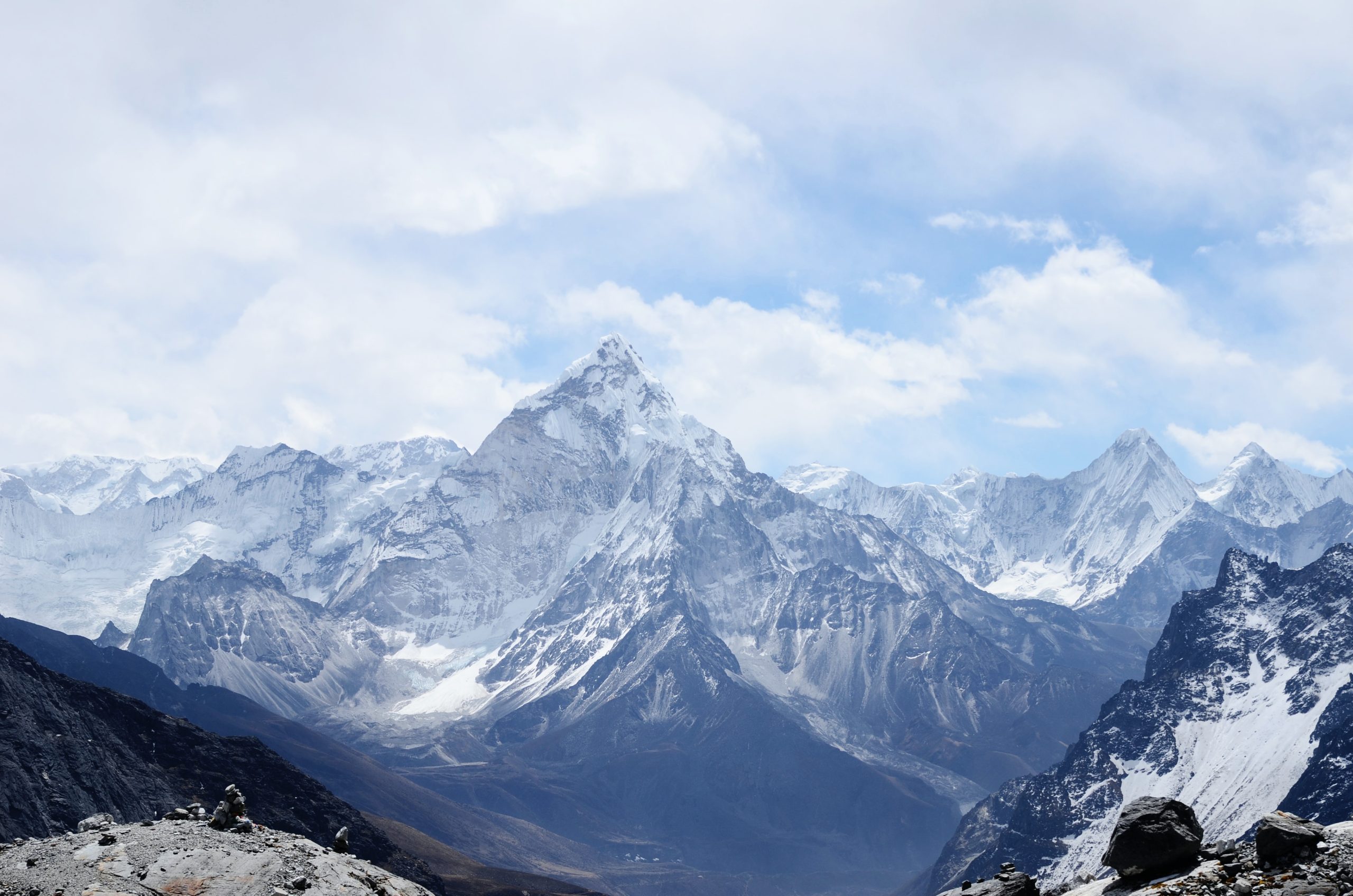
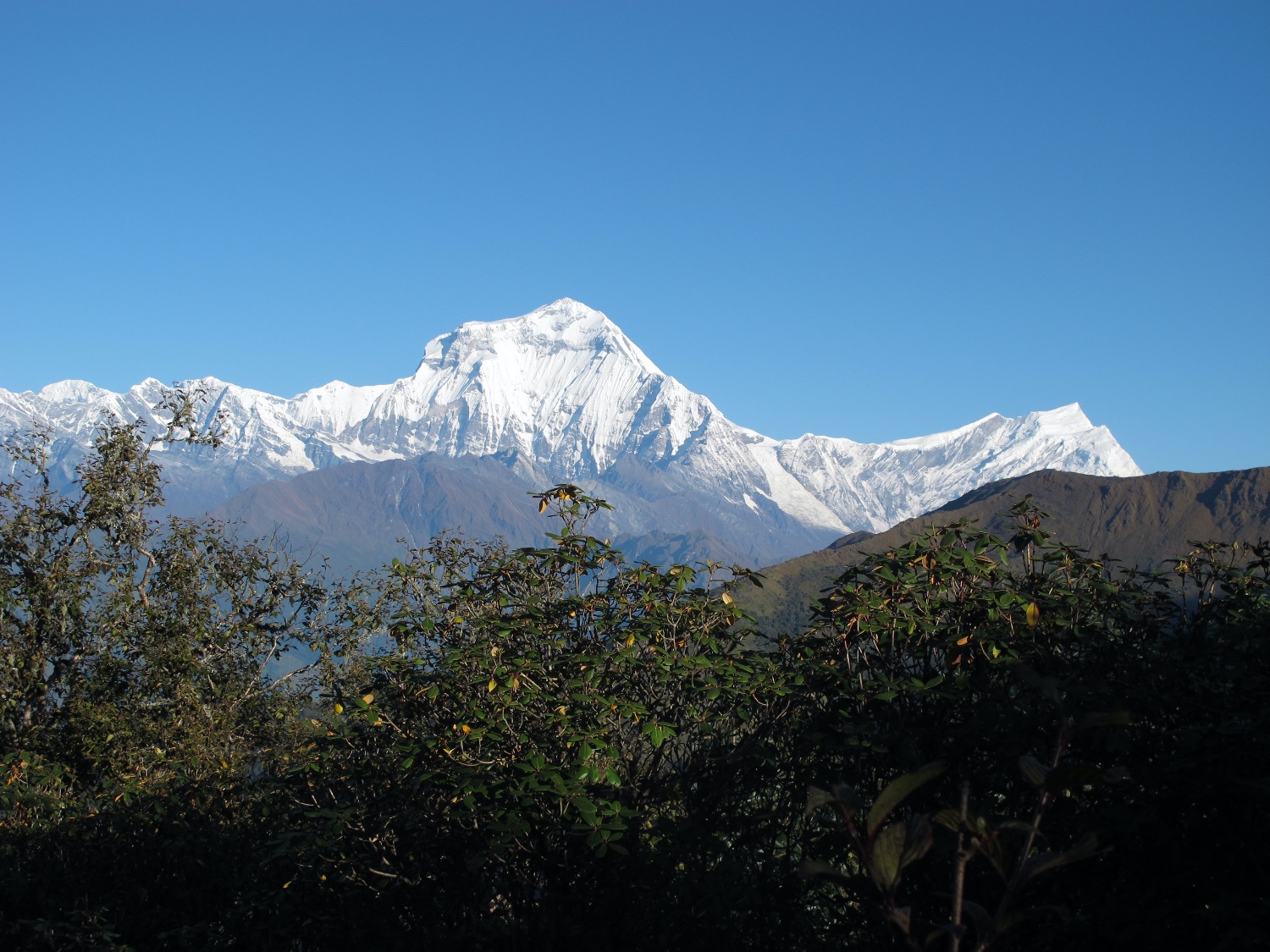
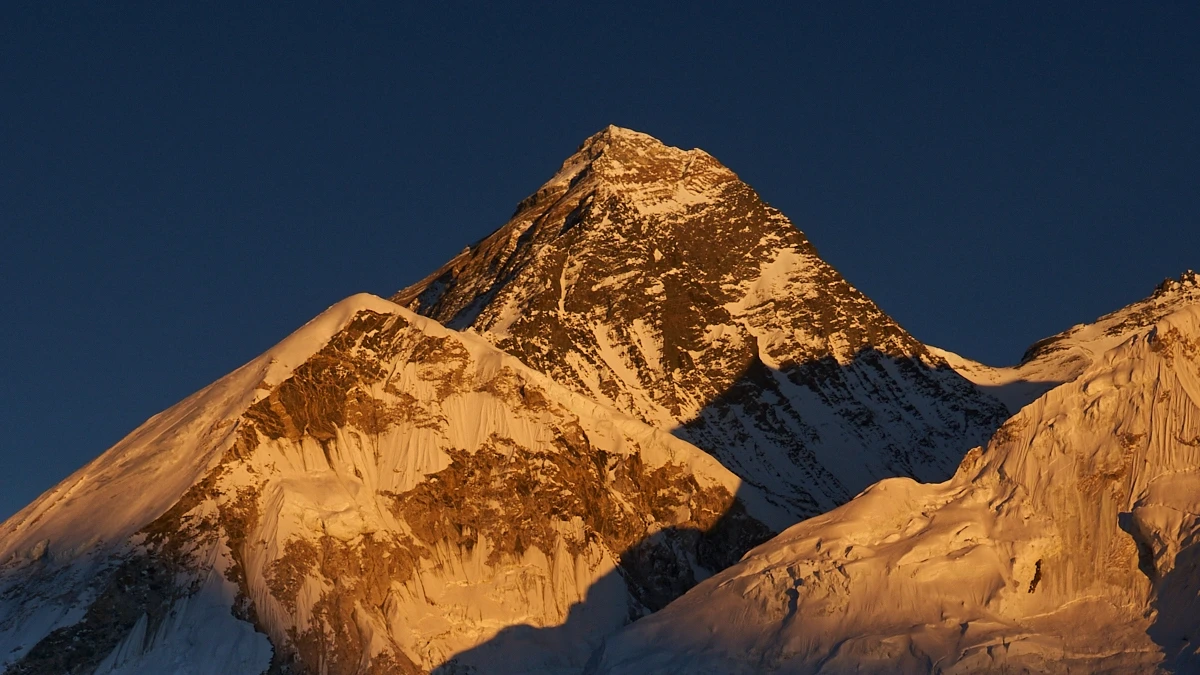
Everest Base Camp is situated in the heart of the Khumbu region of Nepal. It is an iconic destination for trekkers and mountaineers alike. Additionally, it is the starting point for climbers attempting to conquer Mount Everest, the world’s highest peak at 29,032 feet (8,849 meters). The trek to Everest Base Camp is a challenging yet immensely rewarding journey. It offers breathtaking panoramic views of some of the world’s tallest peaks, including Ama Dablam, Lhotse, Nuptse, and Mount Everest. Additionally, the route typically begins in Lukla. As you ascend through charming Sherpa villages, lush forests, and rugged terrain, you’ll experience the rich culture and hospitality of the local communities.

Traversing the Enchanting Trail

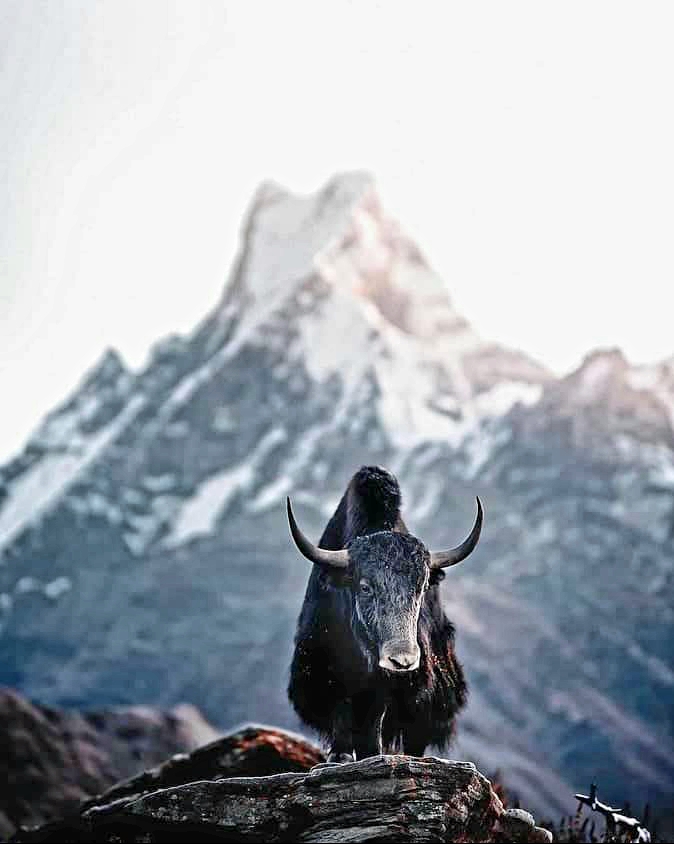
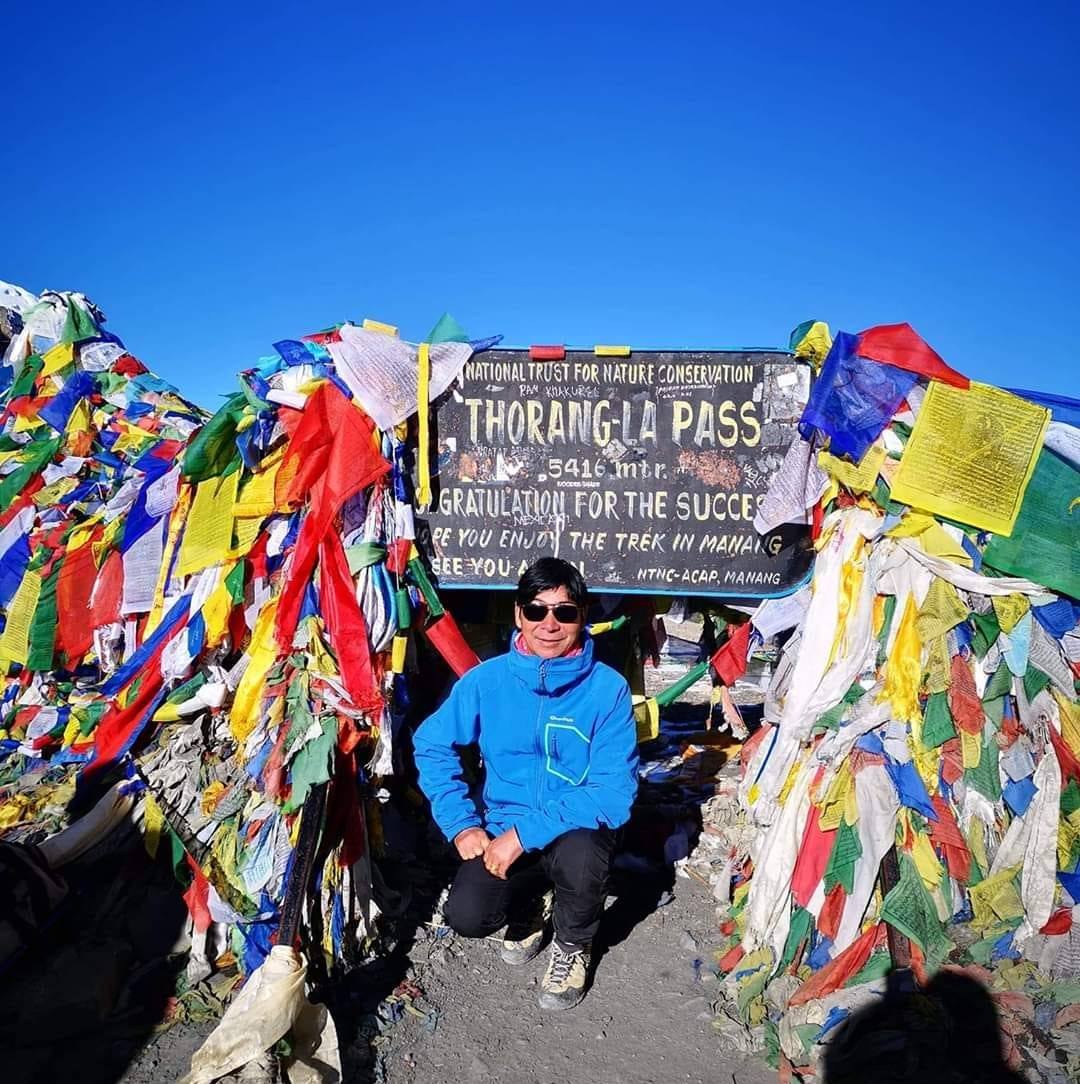
The trail to Everest Base Camp weaves through the Sagarmatha National Park. It is a UNESCO World Heritage Site renowned for its unique flora and fauna. Trekkers often encounter yaks carrying supplies, colorful prayer flags fluttering in the mountain breeze, and the distinctive Tibetan Buddhist monasteries that dot the landscape. As you approach Everest Base Camp, the landscape transforms into a stark, glacial wilderness. In contrast, with awe-inspiring views of the Khumbu Icefall and Khumbu Glacier. Moreover, it sets the stage for mountaineers preparing for their arduous ascent. The trek to Everest Base Camp is an adventure of a lifetime.

Trip Overview

  • Trip Duration

    15 Days/14 Nights

  • Maximum Altitude

    5,364 meters

  • Trip Difficulty

    Moderate to Challenging

  • Activities

    Trekking, Hiking, Cultural Exploration

  • Best Months

    March–May and September–November

  • Trip Start & End

    Kathmandu - Everest base camp

  • Meals

    B/L/D

  • Accomodation

    Teahouses

  • Per Day Walk

    6-7 Hours

  • Permits

    Pasang Lhamu Rural Municipality/Sagarmatha National Park

Highlights

  • Stunning Mountain Vistas: Witness breathtaking panoramic views of iconic Himalayan peaks, including Mount Everest, Lhotse, Nuptse, Ama Dablam, and more.
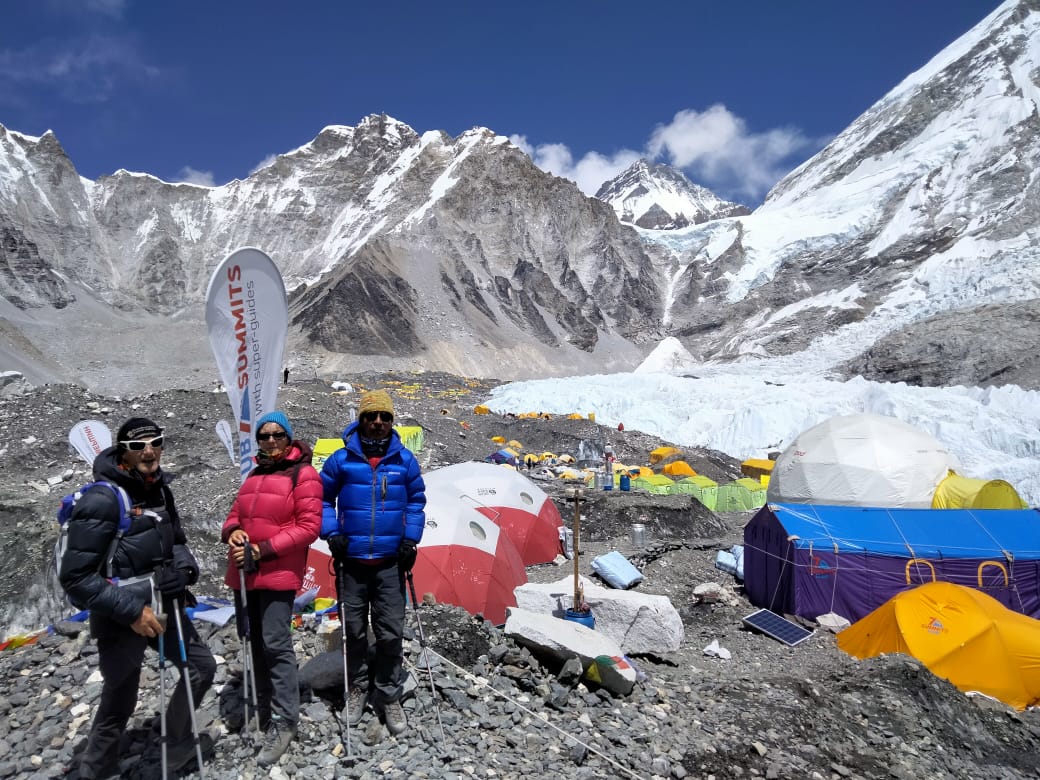
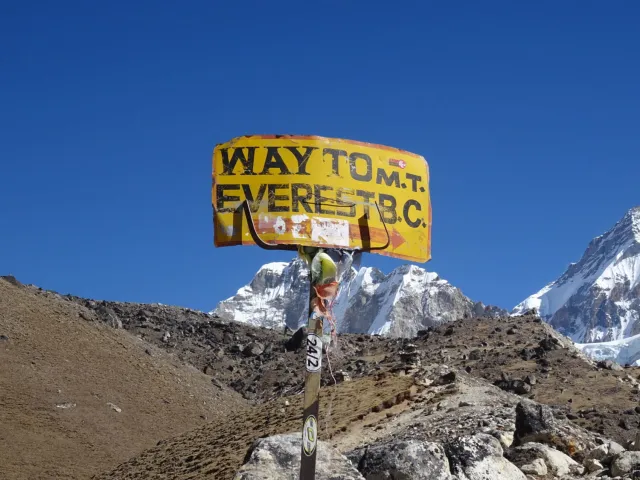
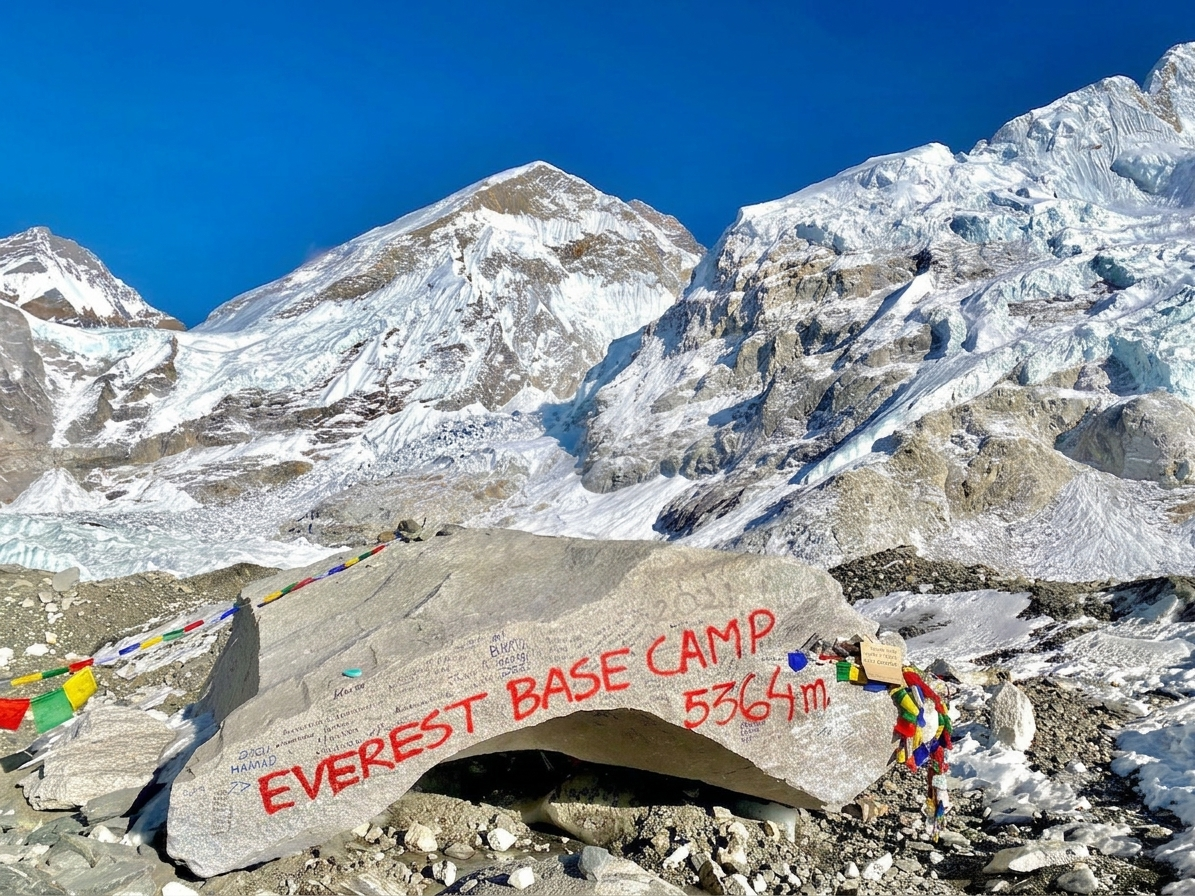
  • Everest Base Camp: Reach the Everest Base Camp (5,364m), the starting point for climbers to conquer the world’s highest peak, Mount Everest.
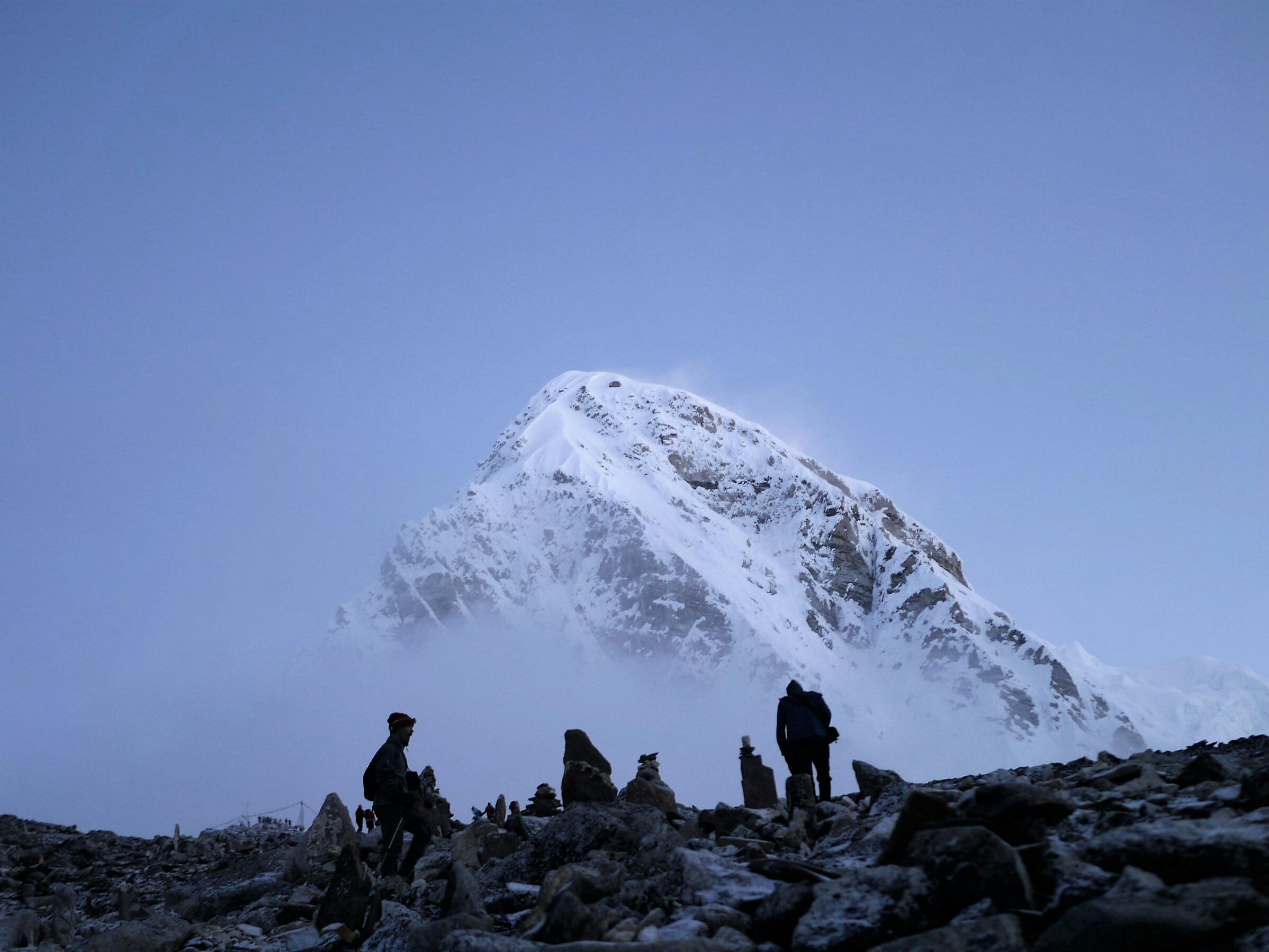
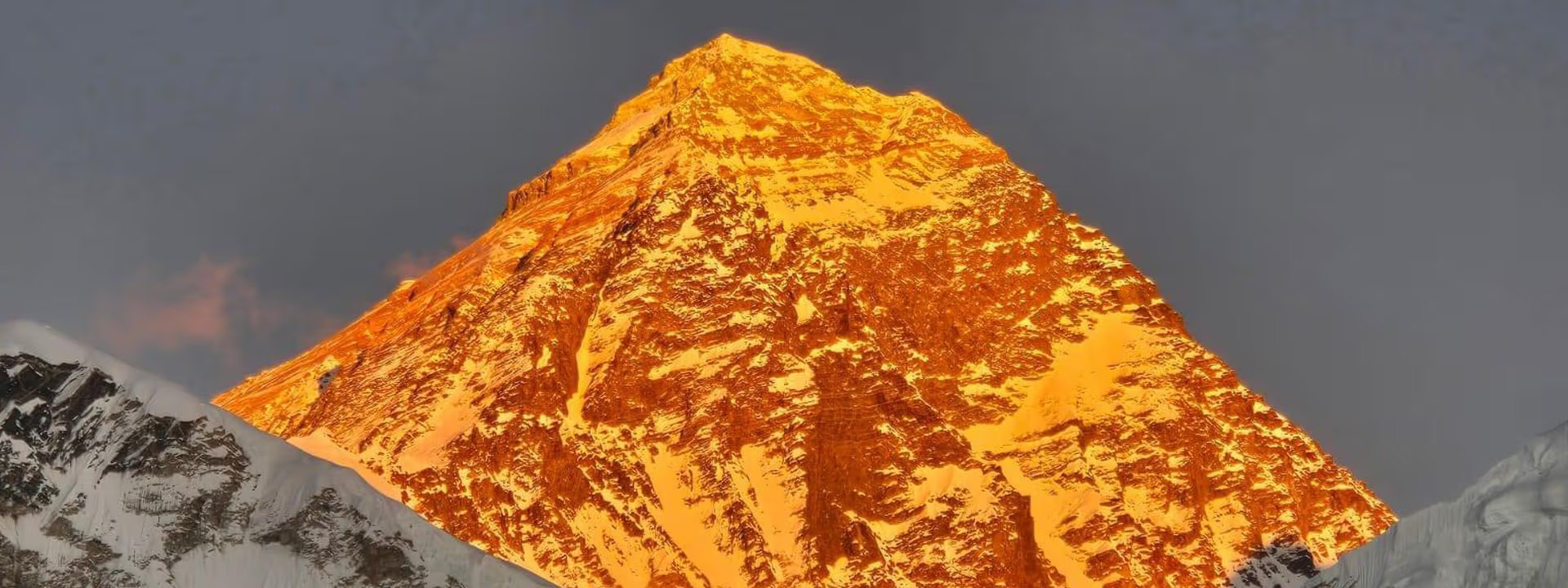
  • Kala Patthar Viewpoint: Hike to Kala Patthar (5,550m) for a spectacular sunrise view of Mount Everest and the surrounding peaks.
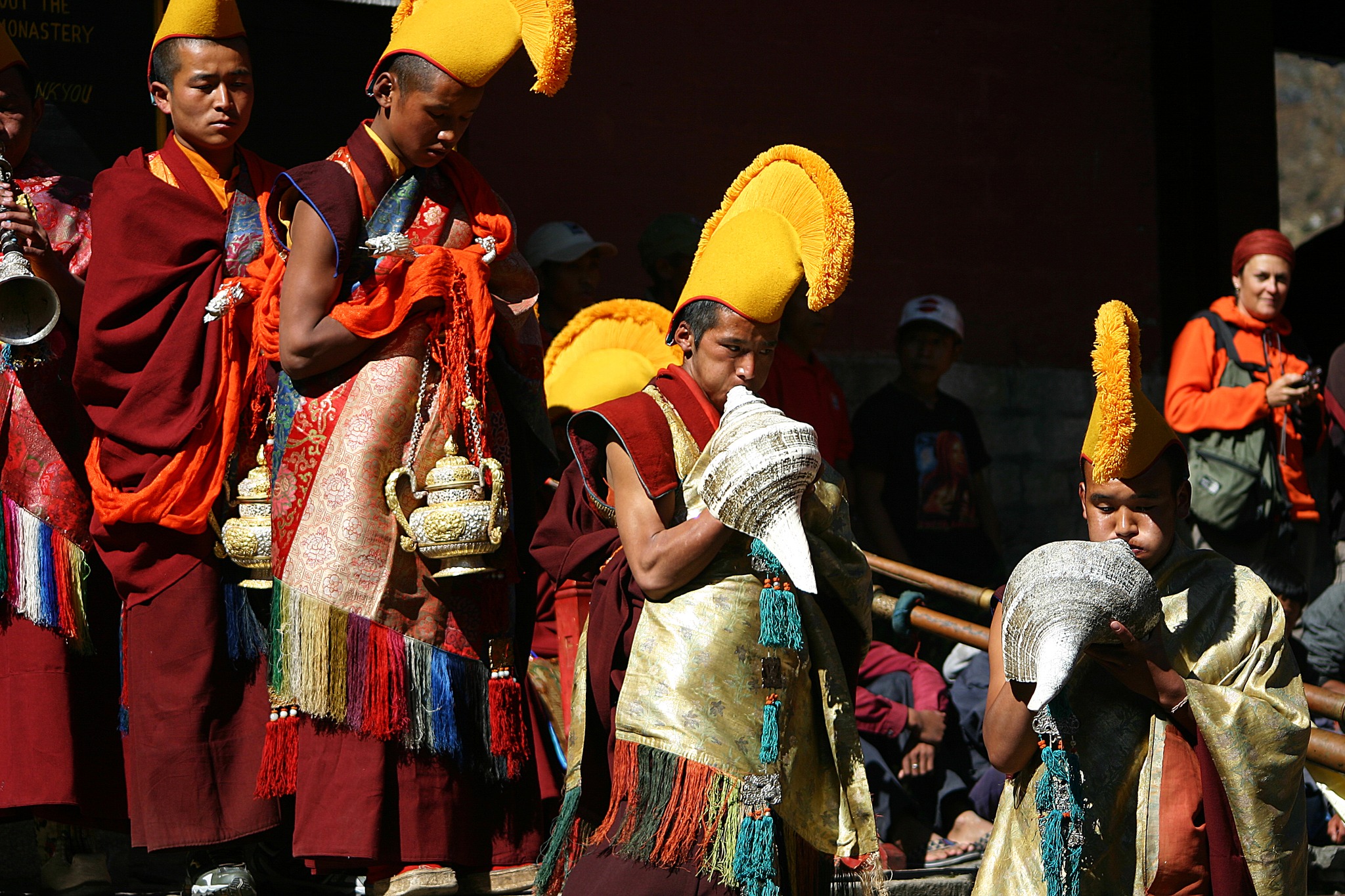
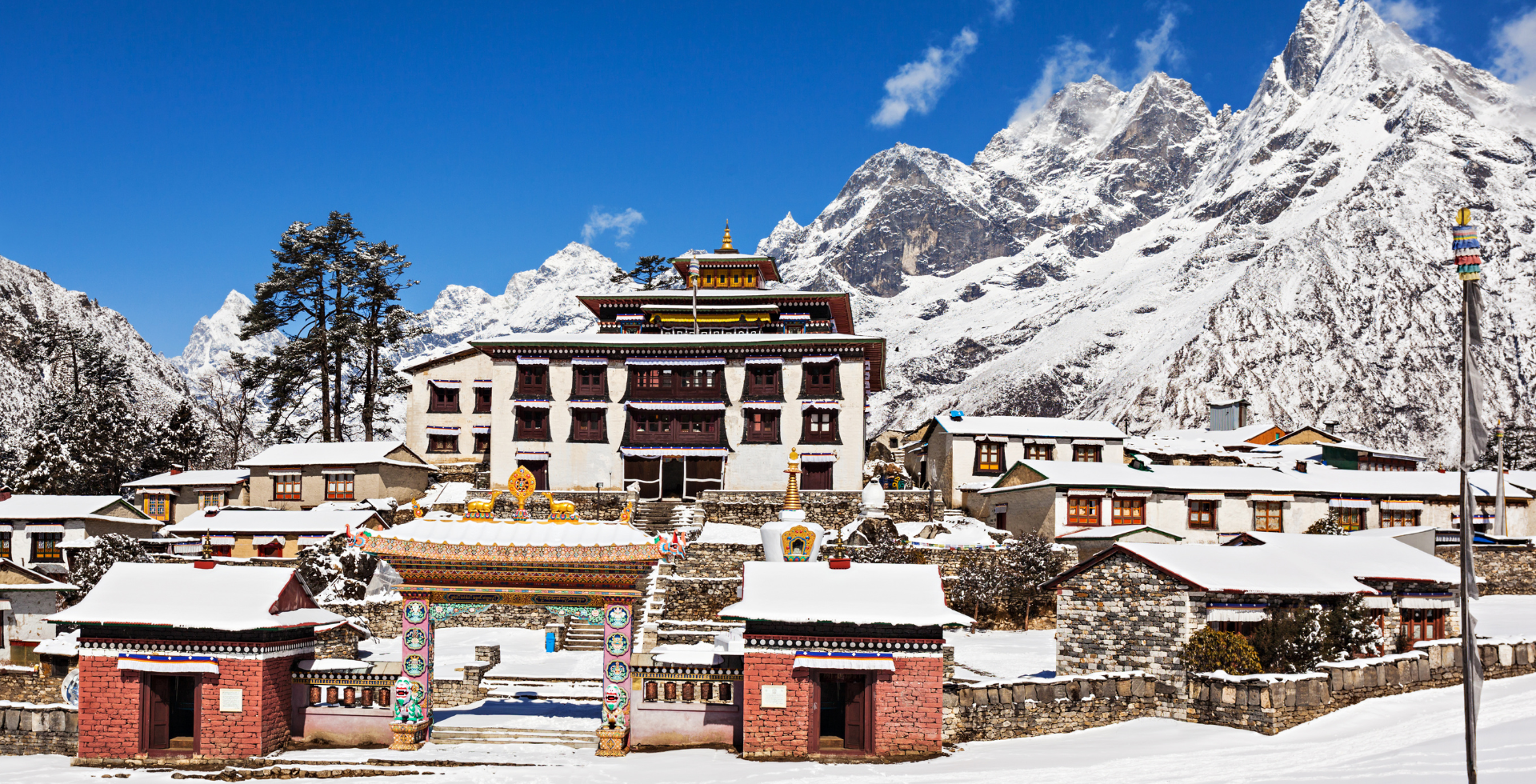
  • Tengboche Monastery: Visit the ancient Tengboche Monastery, a significant spiritual center with stunning views of Everest and Ama Dablam.
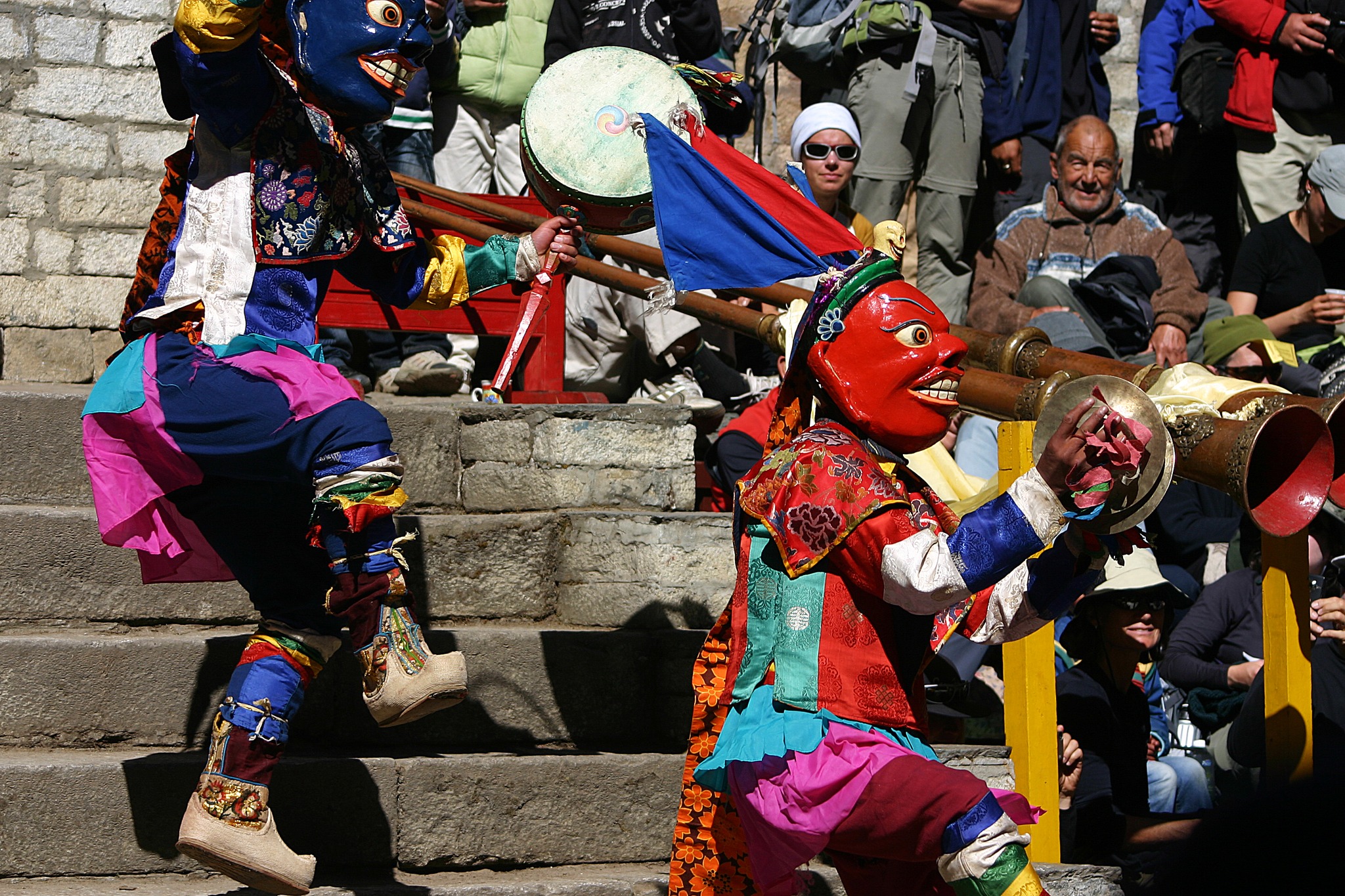
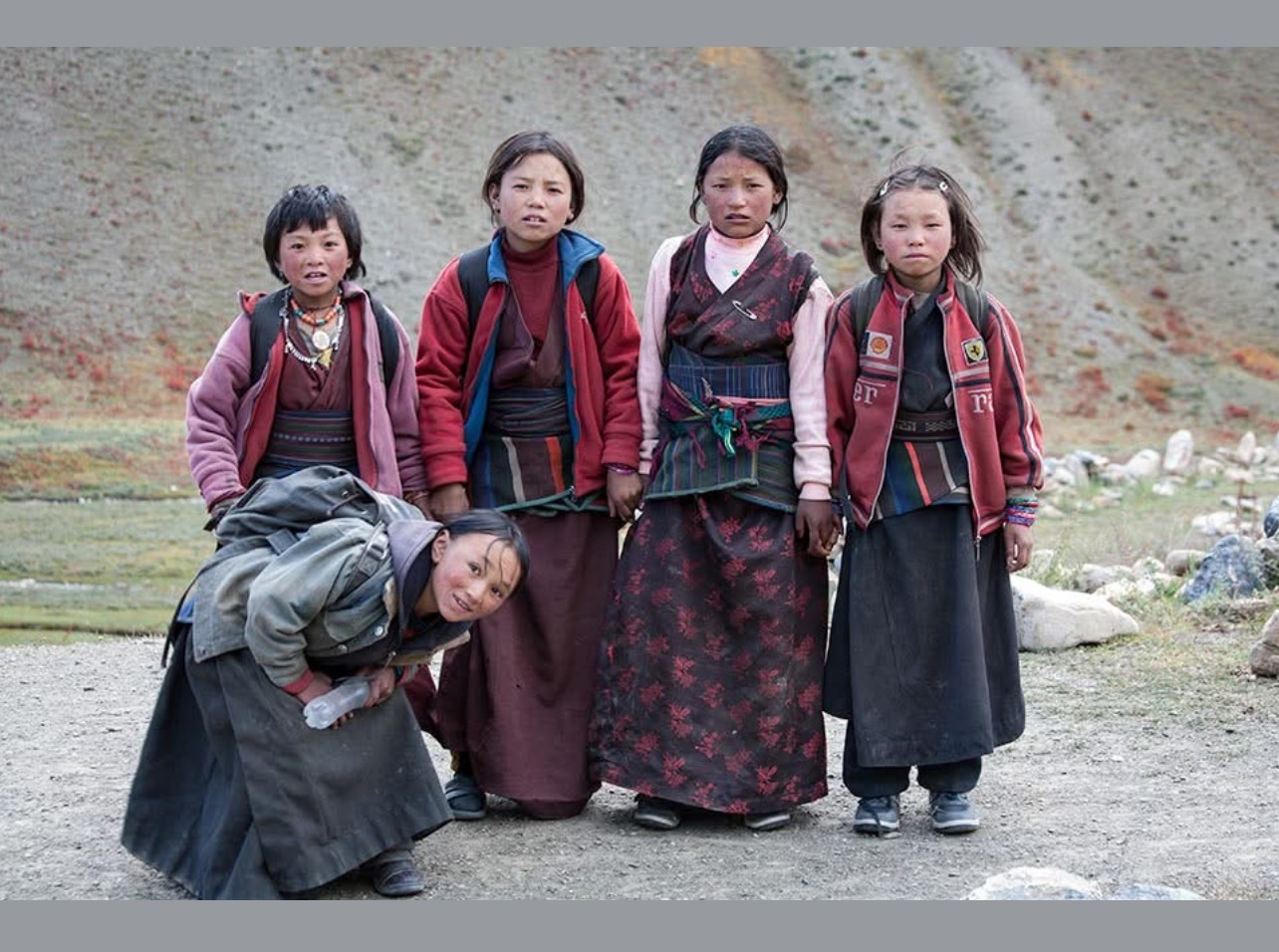
  • Sherpa Culture: Immerse yourself in the rich Sherpa culture, visiting traditional villages and experiencing the warm hospitality of the Sherpa people.
  • Sagarmatha National Park: Explore Sagarmatha National Park, a UNESCO World Heritage Site known for its unique flora, fauna, and diverse ecosystems.
  • Challenging Terrain: Conquer challenging terrains, including rocky paths, suspension bridges, and steep ascents, providing an adventurous and physically demanding trek.
  • Enchanting Landscapes: Experience diverse landscapes, from lush forests and picturesque villages to glacial moraines and dramatic alpine scenery, creating a visual feast throughout the trek.

Fixed Departures

calender
June 5, 2026
June 11, 2026
10 Pax
calender
June 11, 2026
June 18, 2026
10 Pax
*Size: minimum Pax(4)
calender
June 9, 2027
June 17, 2027
10 Pax
calender
June 12, 2027
June 19, 2027
8 Pax
*Size: minimum Pax(4)

We’re here to get you on your way!

If you have any questions about your trip, travel dates, or itinerary, feel free to call or email us.

If you’d like to choose your own date, please fill out the enquiry form.

Enquiry Now

If you’d like to choose your own date, please fill out the enquiry form below.

Itinerary

YOUR DAY-TO-DAY JOURNEY

Day 1

Upon your arrival at Tribhuvan International Airport, our friendly representative will warmly welcome you and assist with a smooth transfer to your hotel.

Welcome to the vibrant heart of Nepal — Kathmandu, a city where ancient traditions meet modern energy. Discover centuries-old temples, colorful bazaars, sacred shrines, and the captivating rhythm of local life that make this cultural capital truly unforgettable.

Your arrival day is designed for comfort and inspiration. Relax, unwind, explore the lively surroundings at your own pace, and soak in the atmosphere as you prepare for the incredible adventure that awaits in the Himalayas.

  • Altitude : 1400 m
  • Meal : BLD
Day 2

A breathtaking air journey to Lukla. The excitement builds as trekkers touch down in Lukla and embark on a scenic 3-hour trek to Phakding (2625m).

The trail introduces the mesmerizing Himalayan landscape, adorned with lush greenery and dotted with prayer flags. As the trek unfolds, anticipation and awe set the tone, paving the way for the remarkable journey that awaits in the heart of the Khumbu region.

  • Duration : 3 Hours
  • Altitude : 2625 meter
  • Distance : approximately 8km
  • Meal : BLD
Day 3

On the third day, trekkers embark on a captivating journey from Phakding to the vibrant Namche Bazaar. The trail unfolds through approximately 5 to 6 hours of mesmerizing landscapes, revealing the breathtaking beauty of the Khumbu region.

As trekkers ascend to Namche Bazaar at 3440 meters, the allure of the Himalayas is undeniable.

The path offers glimpses of towering peaks and the vibrant local culture, setting the tone for the adventure ahead in this bustling and culturally rich mountain town.

Day 4

The fourth day is dedicated to acclimatization in Namche Bazaar, a crucial step to adapt to the escalating altitudes.

Amidst the stunning backdrop of the Himalayas, trekkers take a well-deserved break to allow their bodies to adjust to the higher elevations. This essential rest day aids in preventing altitude-related issues, ensuring a safer and more comfortable journey in the coming days.

Exploring Namche Bazaar and immersing in its rich Sherpa culture provides a unique insight into the mountain way of life, adding a cultural dimension to the acclimatization process.

Day 5

Today resumes the trekking adventure, propelling trekkers from Namche Bazaar to the picturesque Phorche Village. A 5 to 6-hour trek unfolds through the heart of the Khumbu region, revealing stunning vistas and captivating landscapes.

As the path winds through this Himalayan terrain, at an elevation of 3645 meters, trekkers are immersed in the raw beauty of the mountains. The journey to Phorche Village offers a harmonious blend of challenging trekking and the serene charm of the Himalayas, making it a memorable leg of the Everest Base Camp trek.

Day 6

On the sixth day, trekkers embark on a memorable journey from Phorche Village to Dingboche, situated at 4335 meters.

This roughly 6-hour trek is adorned with awe-inspiring mountain views, creating a spectacular backdrop. The trail meanders through the breathtaking landscape, showcasing the grandeur of the Himalayas.

As trekkers ascend, the towering peaks come into sharper focus, offering an exhilarating experience and a glimpse into the mesmerizing natural beauty surrounding them.

Day 7

Today grants trekkers a well-deserved rest in Dingboche, a critical halt for acclimatization and relaxation.

This day of respite is invaluable for allowing the body to acclimate to the high altitude, ensuring a safe and enjoyable journey ahead.

Trekkers can explore the local culture, savour the stunning views, and engage in necessary preparations for the continued adventure.

Day 8

The trek continues on the eighth day when trekkers travel 4915m from Dingboche to Lobuche.

The 5-hour journey features changing terrain, making for a fascinating hiking experience. The route reflects the region’s rugged beauty, revealing subtle but important changes in the landscape with each step.

Traversing this changing terrain makes for a thrilling trek to Everest Base Camp, which promises an enriching and varied Himalayan trek.

Day 9

The day consists of a challenging but rewarding climb from Lobuche to Everest Base Camp at 5364 m and Gorak Shep at 5190 m.

The trek takes about 6 to 7 hours and guides trekkers through Everest terrain on the steep slope.

As they push on, the mighty Everest Base Camp comes into view, a major achievement being a launch pad for climbers. The trek to Gorakshep offers the harsh yet breathtaking beauty of the high Himalayas.

Day 10

The tenth day offers a unique trek from Gorakshep to Kala Pathhar, found at 5545 meters, offering awe-inspiring views of Everest. This adventurous trek lasts for about 6 to 7 hours.

The view from Kalapattha is unspectacular, providing a feast for the eyes and a feeling of accomplishment. After soaking in the breathtaking scenery, travelers descend to Feriche, 4200 meters away, where the beauty of the journey continues to amaze.

Day 11

You descend 3550 meters from Feriche to Kyangjuma, a thrilling trek lasting 6 to 7 hours. The route passes through spectacular scenery, allowing trekkers to experience the Himalaya’s quiet beauty.

Each step retraces the route through this diverse region, revealing subtle changes in the terrain and immersing the trekkers in the unforgettable experiences of Everest camping.

Day 12

You return from Kyangjuma to Phakding, retracing familiar trails along well-established trails.

The 6-hour trek is a scenic route, allowing hikers to reminisce about the amazing experiences of the trek so far.

The descent to Phakding at 2610 meters offers nostalgia and a chance to re-appreciate a place’s beauty before the trip’s end.

Day 13

On the 13th day, you travel from Phakding to Lukla, an important part of the preparations for the return trip.

The almost 5-hour journey retraces the earlier part, giving the passengers a final view of breathtaking scenery and mountainous terrain.

As the end of the journey approaches, it is a day of reflection and anticipation, allowing for a wonderful journey of return and information about this.

Day 14

On the last day of the Everest Base Camp trek, a flight departs Lukla for Kathmandu, bringing trekkers back to civilization.

This small but fascinating flight offers breathtaking views of the mountains from above, adding the final touch to the trip.

Upon arrival in Kathmandu, trekkers are transferred to their respective hotels, ending with an incredible trek to Everest Base Camp, leaving a lasting impression of the Himalayas.

Day 15

It’s a time to reflect on the breathtaking landscapes, the experiences shared, and the memories made before you part ways, heading towards our respective onward destinations.

Note: Due to the unpredictable mountain weather conditions around Lukla, flights are often subject to delays or cancellations, which may occasionally result in travelers being stranded either in Lukla or Kathmandu. For a smooth and stress-free journey with Dudhkunda Adventure Treks, we strongly recommend keeping at least two buffer days after your trek. This extra time helps avoid disruptions to your onward travel plans and also allows you to enjoy sightseeing in Kathmandu or explore the city at your own pace.

Trip Accomodation Summary

Accommodation during the Everest Base Camp Trek is mainly in traditional teahouses and mountain lodges, offering a comfortable and authentic Himalayan experience. In lower regions like Lukla and Phakding, lodges are relatively well-equipped with cozy rooms, some attached bathrooms, and welcoming dining areas. As you move higher, the focus shifts more toward simplicity and warmth rather than luxury.

At key stops such as Namche Bazaar and Dingboche, teahouses provide a balance of comfort and functionality. Namche, being the main hub of the Khumbu region, offers better facilities including Wi-Fi, bakeries, and hot showers, while Dingboche and Tengboche provide more basic but clean accommodations with shared facilities and heated dining spaces where trekkers gather.

In higher altitudes like Lobuche and Gorak Shep, accommodation becomes more basic due to remoteness and harsh conditions. Rooms are simple with twin beds and shared bathrooms, and heating is usually available only in dining areas. Despite limited amenities, the hospitality of local hosts and the breathtaking mountain surroundings make the stay a memorable part of the journey.

Included

  • Airport pick-up and drop-off in Kathmandu
  • 2–3 nights hotel accommodation in Kathmandu (with breakfast)
  • Domestic flights: Kathmandu – Lukla – Kathmandu (or Ramechhap–Lukla during peak season)
  • All ground transportation as per itinerary
  • Experienced, licensed trekking guide
  • Porter service (1 porter for 2 trekkers)
  • Accommodation in teahouses/lodges during the trek
  • Three meals a day during the trek (Breakfast, Lunch, Dinner)
  • Fresh fruits after dinner (seasonal)
  • All necessary trekking permits:
    • Sagarmatha National Park Permit
    • Khumbu Pasang Lhamu Rural Municipality Permit
  • First aid medical kit carried by guide
  • Government taxes and service charges
  • Trekking map and company T-shirt (optional)

Not Included

  • International airfare to and from Nepal
  • Nepal entry visa fees
  • Travel insurance (mandatory, including emergency evacuation)
  • Personal trekking gear (down jacket, sleeping bag, etc.)
  • Meals in Kathmandu (except breakfast and farewell dinner)
  • Extra accommodation in Kathmandu due to early return or flight delays
  • Personal expenses:
    • Hot showers
    • Wi-Fi and battery charging
    • Drinks (tea, coffee, bottled water, alcohol)
  • Tips for guide and porter (expected but not mandatory)
  • Emergency rescue and evacuation costs (covered by insurance)
  • Any additional costs due to unforeseen circumstances (weather, strikes, flight cancellations)
FAQ

ESSENTIAL INFO

Nepal Visa Information

Most travelers require a visa to enter Nepal. You can obtain a tourist visa either before your trip through a Nepalese embassy or upon arrival at Tribhuvan International Airport in Kathmandu.

Visa on Arrival Fees

  • 15 Days: USD 30
  • 30 Days: USD 50
  • 90 Days: USD 125

All tourist visas are issued as multiple-entry visas. Travelers holding European passports may also pay the equivalent amount in Euros (EUR) or British Pounds (GBP). Visa fees must be paid in cash upon arrival.

To obtain your visa, you will need:

  • A valid passport with at least six months’ validity
  • One recent passport-sized photograph
  • A completed visa application form (available at the airport or through electronic registration kiosks)

After completing the application, pay the visa fee at the designated counter and then proceed to the immigration desk to receive your visa stamp. During peak travel seasons, processing lines can be lengthy, so we recommend completing the online visa application in advance whenever possible.

Important Notes

  • Citizens of India do not require a visa to enter Nepal.
  • Citizens of certain countries, including Afghanistan, Nigeria, Ghana, Cameroon, Iraq, Somalia, Syria, and a few others, are required to obtain a visa in advance from a Nepalese diplomatic mission before traveling to Nepal.

For the latest visa regulations and requirements, please consult the nearest Nepalese Embassy or Consulate before your departure.

Travelers coming to Nepal are not required to take any mandatory vaccinations. However, it is generally recommended that routine immunizations are kept current, including Tetanus, Diphtheria, Polio, Typhoid, and Hepatitis A, for better health protection during travel.

Malaria is not a widespread concern in most of Nepal, but it can be found in some lowland areas such as the Terai region, including places like Chitwan. Visitors planning to travel to these regions are advised to take necessary precautions after consulting a medical professional.

Dengue fever is also present in certain parts of the country and is transmitted by mosquitoes, primarily during daytime hours. Since there is no specific vaccine or preventive medicine widely available for dengue, avoiding mosquito bites through repellents, proper clothing, and protective accommodation is the most effective prevention method.

For trekkers, high-altitude routes in Nepal may present the risk of Acute Mountain Sickness (AMS). Although trekking itineraries are designed with gradual ascent and acclimatization in mind, symptoms can still occur and should not be ignored. Proper hydration, slow ascent, and immediate communication with guides are strongly advised if any signs of altitude sickness appear.

Breakfast is included according to the selected meal plan and is provided daily during the trip. On trekking days, breakfast is typically served as a fixed menu with nutritious, energy-rich options such as Tibetan bread, eggs, fresh seasonal fruits, along with tea or coffee. Any extra items ordered beyond the set breakfast menu are chargeable separately.

Lunch and dinner are not included in the trekking package, allowing travelers the flexibility to select meals directly from teahouse or lodge menus. These menus usually feature a variety of local dishes, including the traditional dal bhat, as well as simple international meal options.

For health and safety reasons, it is generally advised to avoid consuming meat during the trek due to limited refrigeration and storage facilities in remote areas. Additionally, imported food items and beverages tend to be more expensive along trekking routes compared to city prices.

Staying properly hydrated is very important during trekking, particularly at higher altitudes. It is generally recommended to drink around 3–4 liters of water per person per day.

To help reduce plastic waste in Nepal’s mountain regions, the use of single-use bottled water is discouraged. Instead, most teahouses provide free cold drinking water on request, although it should always be treated before consumption.

Trekkers are advised to carry a reusable water bottle, preferably with a wide mouth such as a Nalgene bottle, along with a reliable water purification method. A SteriPEN is commonly recommended, as it uses UV light to effectively treat clear water, is lightweight, battery-operated, and easy to use on the trail. In many trekking areas, bottled water is already UV-treated, so using a SteriPEN provides a similar level of safety without generating plastic waste.

As an alternative, teahouses also offer boiled water for purchase, typically ranging from Rs. 150–300 per litre, with prices increasing at higher elevations. Boiled water is safe to drink without additional treatment and is especially useful in the evenings, as it can also be used to keep water bottles warm overnight.

During camping treks, safe drinking water is provided in boiled form by the support crew.

Nepal’s primary trekking period generally runs from October through mid-May, when weather conditions are more stable, skies are clearer, and temperatures are suitable for trekking.

Temperatures Overview

  • Kathmandu Valley: approximately 15°C to 35°C
  • Around 3,600 meters: around 10°C, with temperatures decreasing further with altitude
  • High elevations: cold daytime conditions and very cold nights, often dropping below freezing

Trekking Seasons

Autumn (Mid-September to November)
Considered the most favorable trekking season in Nepal, offering clear skies, consistent weather, and excellent mountain visibility. At higher elevations, nighttime temperatures can fall to around –10°C or even lower.

Spring (March to May)
This season is generally warmer, particularly in lower regions where temperatures may reach up to 35°C in places like Kathmandu. Although occasional afternoon haze may reduce visibility, spring is popular for its blooming landscapes and longer daylight hours.

High-Altitude & Summit Conditions

Snowfall can occur at any time of the year in higher regions. On summit or high-pass days, trekking often begins very early in the morning, typically around 2:00 AM, when temperatures can be extremely low—sometimes reaching –25°C or more with wind chill. Strong winds may also be encountered at altitude.

As mountain weather is highly unpredictable, proper clothing, preparation, and flexibility in planning are essential for a safe and enjoyable trekking experience.
Pricing & Booking

Standard Price

USD 1350

Per Person
Special Offer Price

USD 1260

Per Person

Offers Ends in : 2 Days

Offer Valid for Group Sized up to 10 PAX

Limited Availability: Only 4 Spots left at this Price!

Talk To Trip Expert

expert image

Gyalgen Tamang

Trip Expert
Have Any Questions?
Whatsapp/Viber/Phone +977-9704826139
Share This Trip
Essentials

Equipment Checklist

Have all the necessary details and essentials in place for a safe and pleasant trip.

Clothing/Daily Wear

  • Hiking Boots
  • Runners or Sandals
  • Mid-weight Hiking Socks x 5
  • Shorts x 1
  • Lightweight Trekking Trousers x 1
  • Synthetic/Wool/Silk Long Johns
  • Long Sleeve Base Layers x 2
  • Short Sleeve Base Layers x 2
  • Mid-weight Fleece x 2
  • Down Jacket
  • Waterproof Jacket
  • Waterproof Poncho or Umbrella
  • Waterproof Trousers
  • Fleece Hat & Sun Hat (wide brim)
  • Balaclava/Buff
  • Sunglasses (category 3)
  • Lightweight Synthetic Liner Gloves
  • Down Mitts

Trekking Gear/Equipment

  • Backpack (30–40L for daily use)
  • Duffel bag (for porter, if applicable)
  • Sleeping bag (rated -10°C to -20°C)
  • Trekking poles
  • Headlamp with extra batteries
  • Water bottles or hydration bladder
  • Sunglasses (UV protection)

Medical/Safety

  • Personal first-aid kit
  • Prescription medications (if required)
  • Pain relief medication
  • Bandages and blister treatment supplies
  • Antiseptic wipes or solution
  • Adhesive tape and gauze

Hygiene & Personal Care

  • Toothbrush and toothpaste
  • Biodegradable soap
  • Shampoo (travel-size)
  • Quick-dry towel
  • Toilet paper or tissue packs
  • Wet wipes

Electronics

  • Mobile phone
  • Power bank (high capacity)
  • Camera (optional)
  • Extra batteries / charging cables
  • Universal travel adapter
  • Headphones / earphones

General /Important Documents & Items

  • Passport (valid for at least six months)
  • Visa and entry permits (if required)
  • Travel insurance documents
  • Flight tickets and itinerary
  • Trekking permits and park entry passes
  • Passport-sized photographs
  • Copies of passport and important documents
  • Diamox (tablet form, not capsules)
  • Iodine or Chlorine Tablets for Water
  • Purification (Although drinking water provided to you is treated correctly)
  • Swimming Suit (for hotel pool)
  • Sleeping Bag Liner
  • Ear Plugs
  • Power Adapter – Plug C are used in Nepal

Read More From Our Travelers

Enquire Now

PLAN YOUR NEXT TREK IN NEPAL WITH OUR TRAVEL EXPERTS

Start your Himalayan journey with confidence. Our travel experts are always available to assist you instantly via WhatsApp or email.

Send us your query; we aim to respond within 24 hours.