
Travel Guide
Dudhkunda Adventure Treks & Expedition
Nepal, known as the land of the Himalayas, is one of the most remarkable travel destinations in the world for adventure seekers, nature lovers, and cultural explorers. The country offers an extraordinary combination of snow-capped mountains, ancient heritage sites, vibrant cities, and peaceful natural landscapes. From the towering peaks of the Everest region to the serene lakes of Pokhara and the rich cultural heritage of Kathmandu Valley, Nepal provides unforgettable experiences for every traveler. This travel guide is designed to help you prepare effectively for your journey, understand trekking conditions, and make the most of your adventure with Dudhkunda Adventure Treks & Expedition.
Preparing for a Trek
Preparing for a trek in Nepal requires thoughtful planning and physical readiness to ensure both safety and enjoyment throughout the journey. Trekking in the Himalayas can be physically demanding, especially in high-altitude regions, so proper preparation significantly enhances your overall experience. At Dudhkunda Adventure Treks, we always encourage travelers to prepare in advance so they can fully enjoy the natural beauty and cultural richness of the trails without unnecessary difficulties.
Physical Preparation
Building physical fitness before your trek is extremely important, especially for longer or high-altitude routes. It is recommended to start training at least 2–3 months prior to your journey. Regular cardiovascular exercises such as running, cycling, swimming, and brisk walking help improve stamina, while strength training for legs and core muscles prepares your body for uphill and downhill trekking conditions. Practicing short hikes with a backpack is also highly beneficial, as it helps simulate real trekking conditions and builds endurance gradually.
Gear and Packing
Proper gear selection plays a crucial role in ensuring comfort and safety during your trek. High-quality trekking boots are one of the most important investments, and they should be broken in before your journey to avoid discomfort. Clothing should always be layered to adapt to changing mountain weather conditions, including moisture-wicking base layers, insulating mid-layers, and waterproof outer shells. Essential trekking equipment such as a durable backpack, trekking poles, headlamp, reusable water bottle, and sleeping bag (for certain routes) should always be included in your packing list. Additionally, a basic first aid kit with personal medications is strongly recommended.
Health and Nutrition
Maintaining proper hydration and nutrition during your trek is essential for energy and altitude adaptation. Trekkers should drink plenty of water throughout the day and may use purification tablets or filters when necessary. Lightweight, high-energy snacks such as nuts, dried fruits, and energy bars are ideal for maintaining stamina during long trekking hours. For high-altitude treks, acclimatization is extremely important, and taking rest days during the journey helps prevent altitude sickness and ensures a safer trekking experience.
Logistics and Planning
Careful planning before your trek helps avoid unnecessary challenges during the journey. It is important to research your chosen route, including terrain, weather conditions, and daily walking distances. All necessary permits, visas, and identification documents should be prepared in advance. Hiring a local guide or porter through Dudhkunda Adventure Treks is highly recommended, as it enhances safety, reduces physical strain, and provides valuable cultural insight throughout the trek.
Mental Preparation
Trekking in the Himalayas is not only a physical journey but also a mental one. Travelers should set realistic expectations and understand that long walking days, altitude changes, and basic accommodation are part of the experience. A positive mindset, patience, and flexibility are key to enjoying the journey fully, especially during challenging sections of the trail.
Safety Considerations
Weather conditions in the mountains can change rapidly, so staying informed and flexible is very important. Trekkers should always be aware of weather forecasts and be prepared to adjust plans if needed. It is also advisable to share your trekking itinerary with family or friends and ensure that emergency procedures are clearly understood before starting the journey.
Best Time to Visit Nepal
Nepal is a year-round travel destination, but the experience varies depending on the season. Each season offers unique landscapes, weather conditions, and cultural experiences, allowing travelers to choose based on their preferences.
- Autumn (September–November): This is considered the best trekking season in Nepal, offering clear skies, stable weather, and breathtaking mountain views. The season also coincides with major festivals such as Dashain and Tihar, allowing visitors to experience Nepalese culture at its peak.
- Spring (March–May): Spring is another ideal season for trekking and mountaineering, with warm temperatures and blooming rhododendron forests that add vibrant color to the trails. It is also a popular time for photography and wildlife observation.
- Winter (December–February): Winter brings cold temperatures in higher regions, but lower-altitude areas like Kathmandu and Pokhara remain pleasant. Trails are less crowded, offering a peaceful trekking experience for those who prefer solitude.
- Summer/Monsoon (June–August): This season brings heavy rainfall across most regions, making some trails slippery and challenging. However, rain-shadow areas such as Upper Mustang and Dolpo remain accessible and offer unique dry landscapes with fewer tourists.
Best Regions and Popular Treks
Nepal offers a wide variety of trekking regions, each with its own unique landscapes, culture, and adventure opportunities. Whether you are looking for iconic mountain views or remote wilderness, Nepal has something for every type of traveler.
- Kathmandu Valley: Known for its rich cultural heritage, ancient temples, and hilltop views. Popular short treks include Shivapuri Trek and Nagarkot Trek, which offer scenic escapes close to the capital.
- Pokhara Region: A beautiful lakeside city surrounded by mountains, ideal for relaxation and trekking. Popular routes include Poon Hill Trek and Mardi Himal Trek, known for sunrise views and panoramic Himalayas.
- Annapurna Region: One of the most diverse trekking regions in Nepal, offering everything from lush forests to high mountain passes. Popular treks include Annapurna Base Camp and Annapurna Circuit.
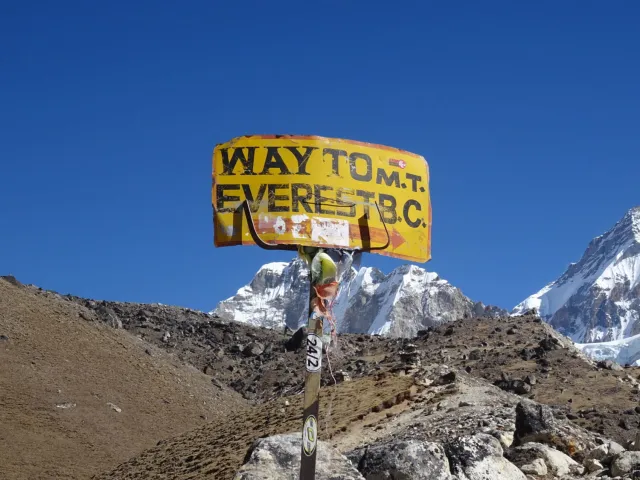
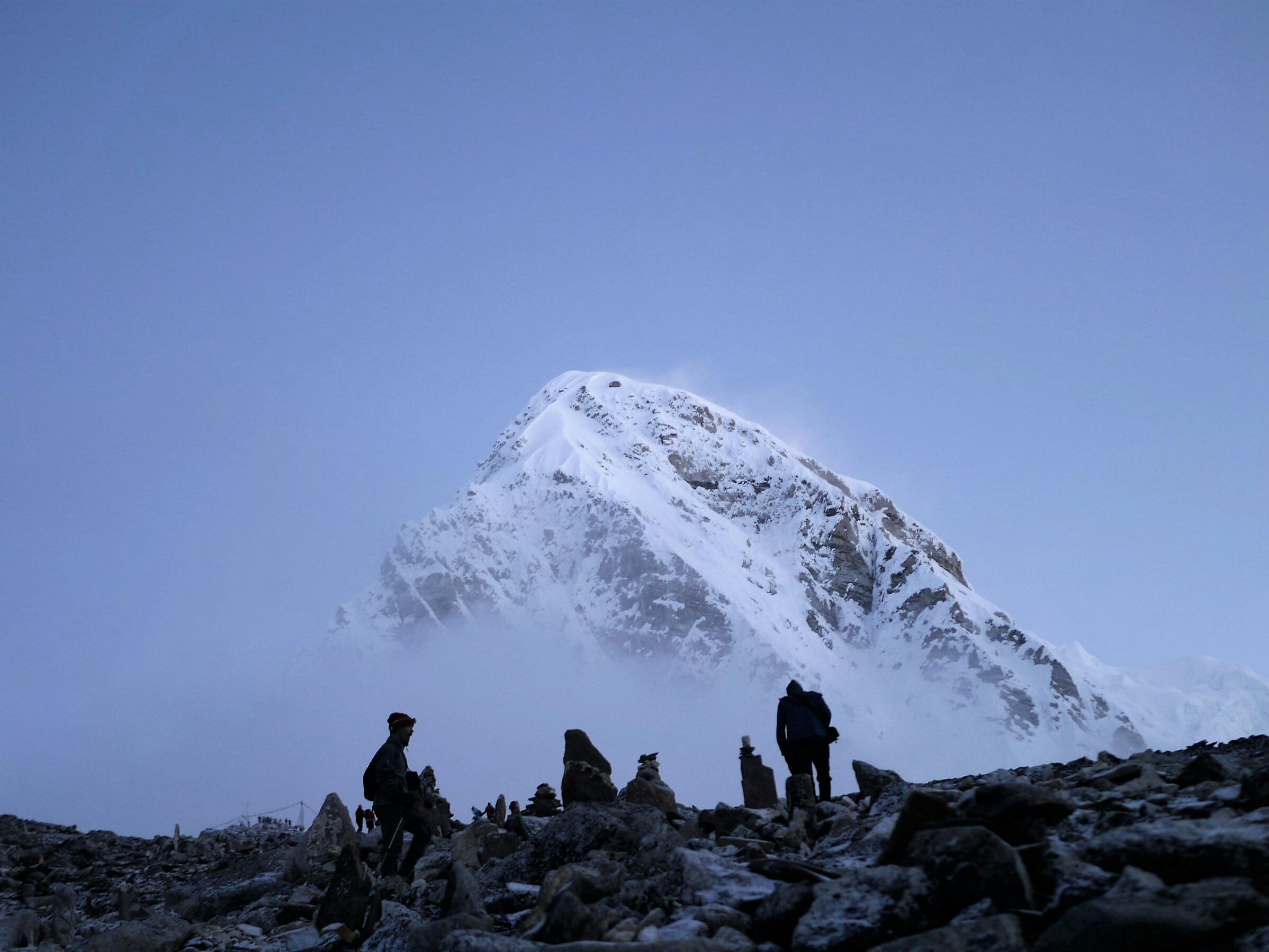
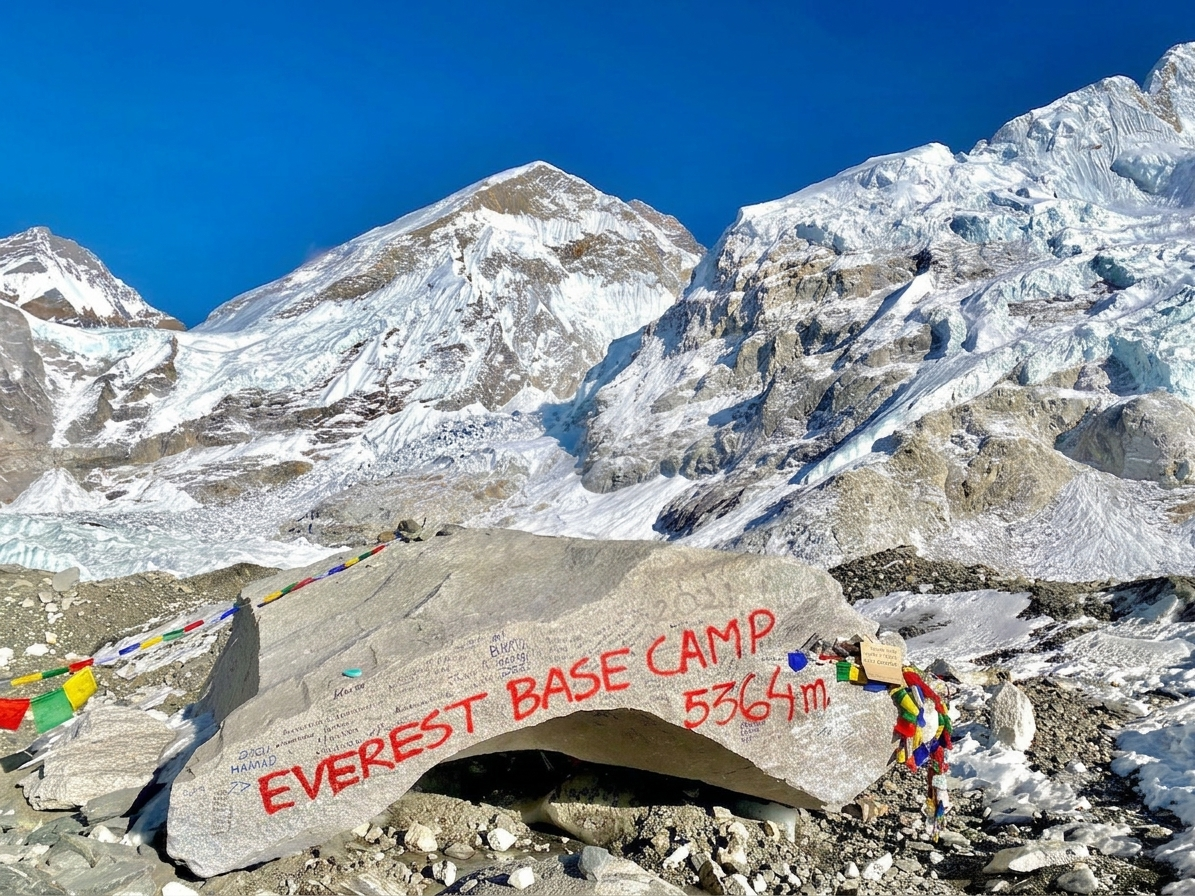
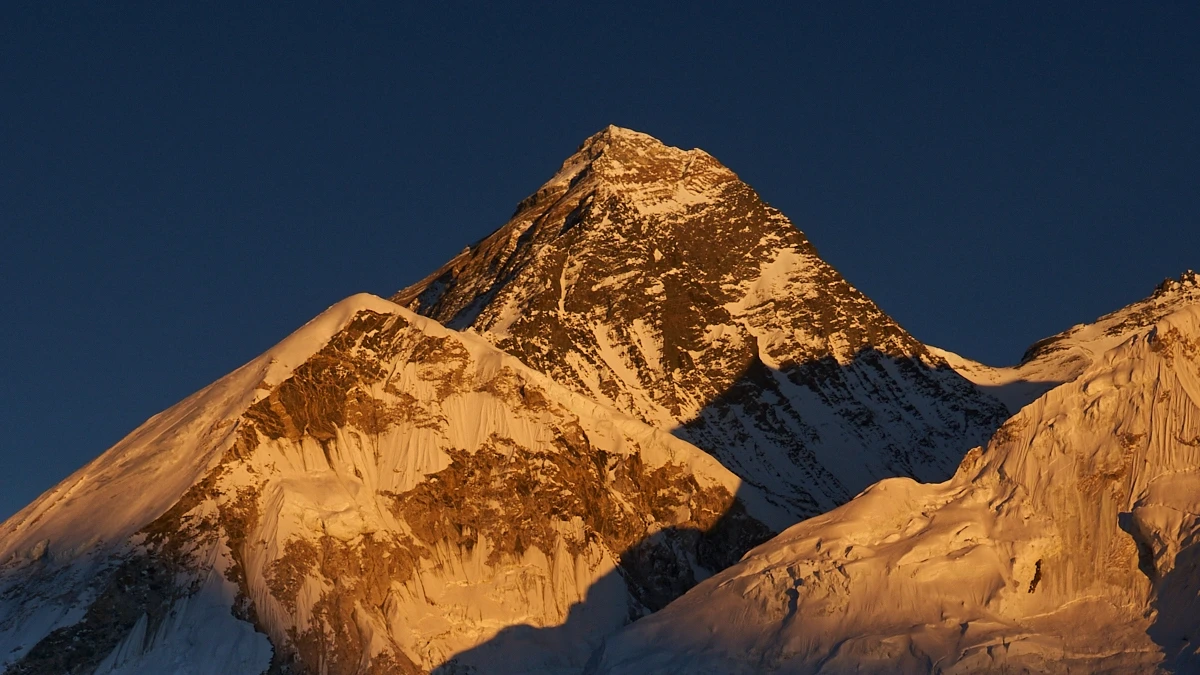
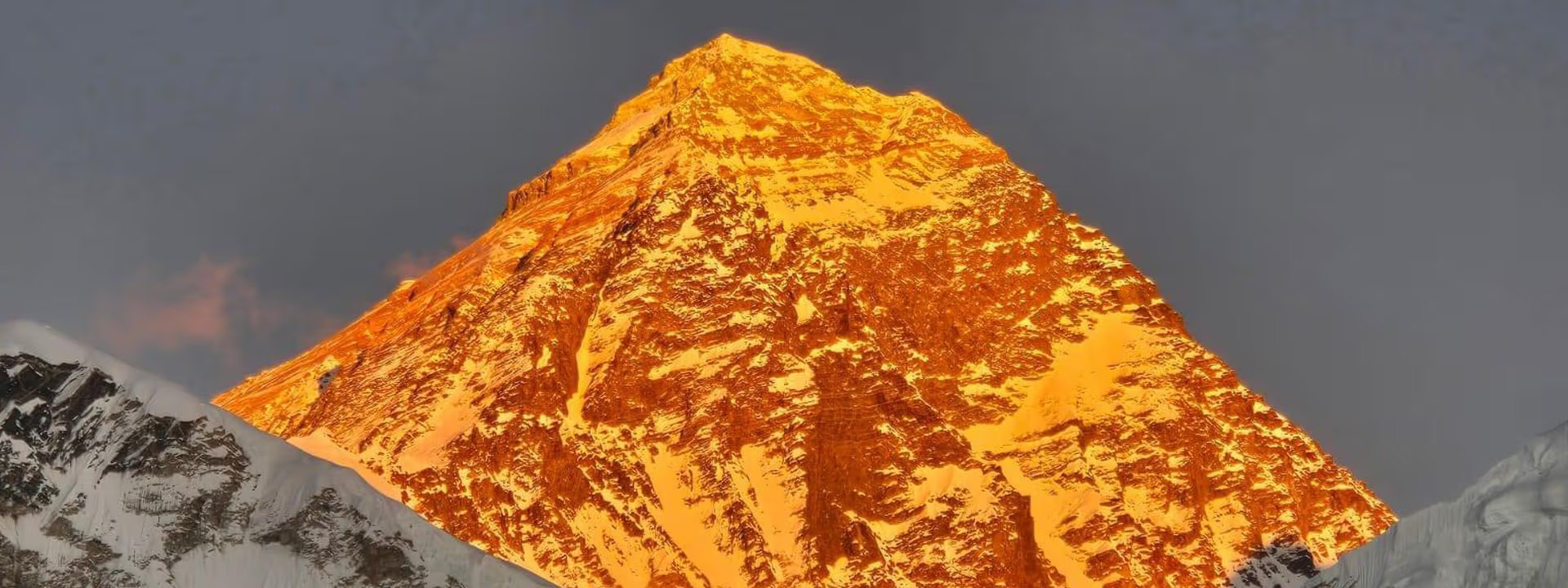
- Everest Region: Home to the world’s highest peak and rich Sherpa culture. Famous treks include Everest Base Camp and Gokyo Lakes Trek, offering iconic Himalayan scenery.
- Langtang Region: Located close to Kathmandu, this region is known for its peaceful valleys, glaciers, and Tamang culture. Popular treks include Langtang Valley Trek and Helambu Trek.
- Manaslu Region: A less crowded and more remote trekking area offering stunning mountain views and authentic cultural experiences. Popular routes include Manaslu Circuit and Tsum Valley Trek.
- Chitwan National Park: A lowland region known for wildlife and jungle safaris, where travelers can see rhinos, elephants, and even Bengal tigers in their natural habitat.
Money Exchange in Kathmandu
Kathmandu offers several convenient options for exchanging foreign currency, making it easy for travelers to manage their expenses upon arrival. The most popular area for money exchange is Thamel, where numerous authorized exchange counters provide competitive rates and quick service. These counters typically accept major currencies such as US Dollars, Euros, and British Pounds.
Banks are another reliable option, offering secure transactions, although they may operate on limited hours and require more processing time. ATMs are widely available throughout Kathmandu and Pokhara, allowing travelers to withdraw local currency using international debit or credit cards. However, users should always check with their bank regarding international withdrawal fees and charges before traveling.
For the best value, it is recommended to compare exchange rates at different counters before converting large amounts of money, and always keep receipts for future reference or reconversion.