Uncategorized Archives - Dudhkunda Adventure Treks

Manaslu Circuit Trek: A Complete Guide

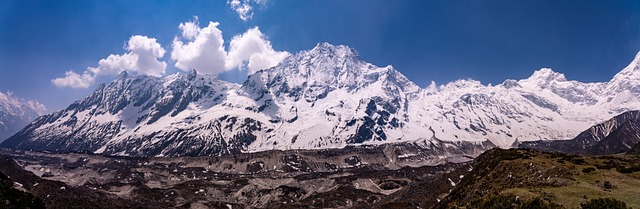
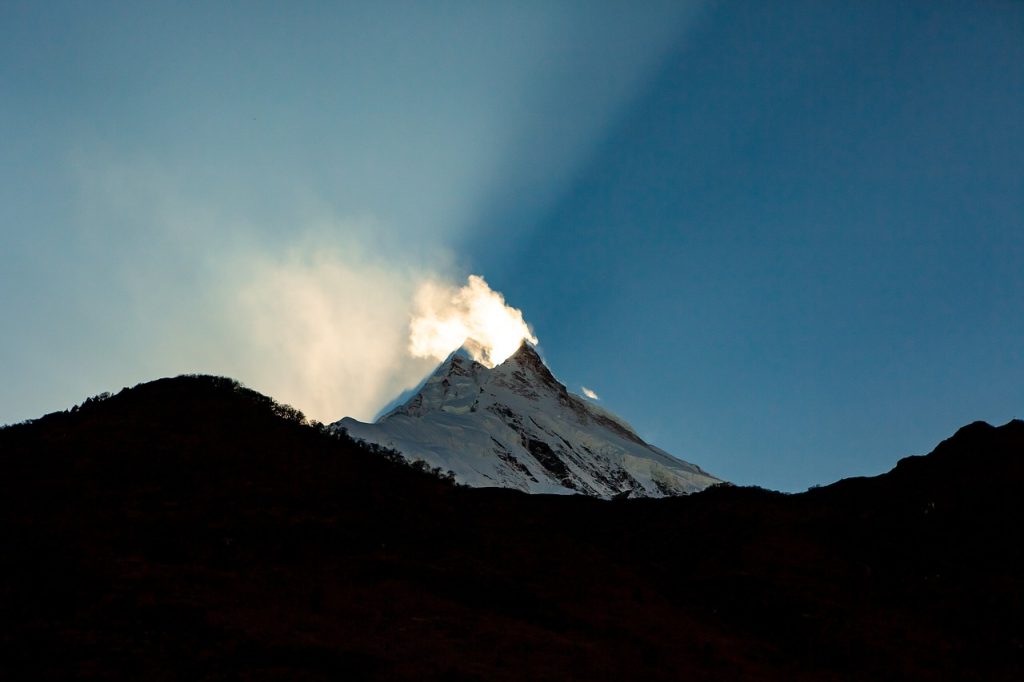
The Manaslu Circuit Trek offers a tranquil and secluded experience, showcasing the majestic beauty of its namesake peak, Manaslu (8,163m), the eighth-highest mountain in the world. Nestled within the embrace of the Manaslu Himalayan range, this trek is a hidden gem waiting to be explored.

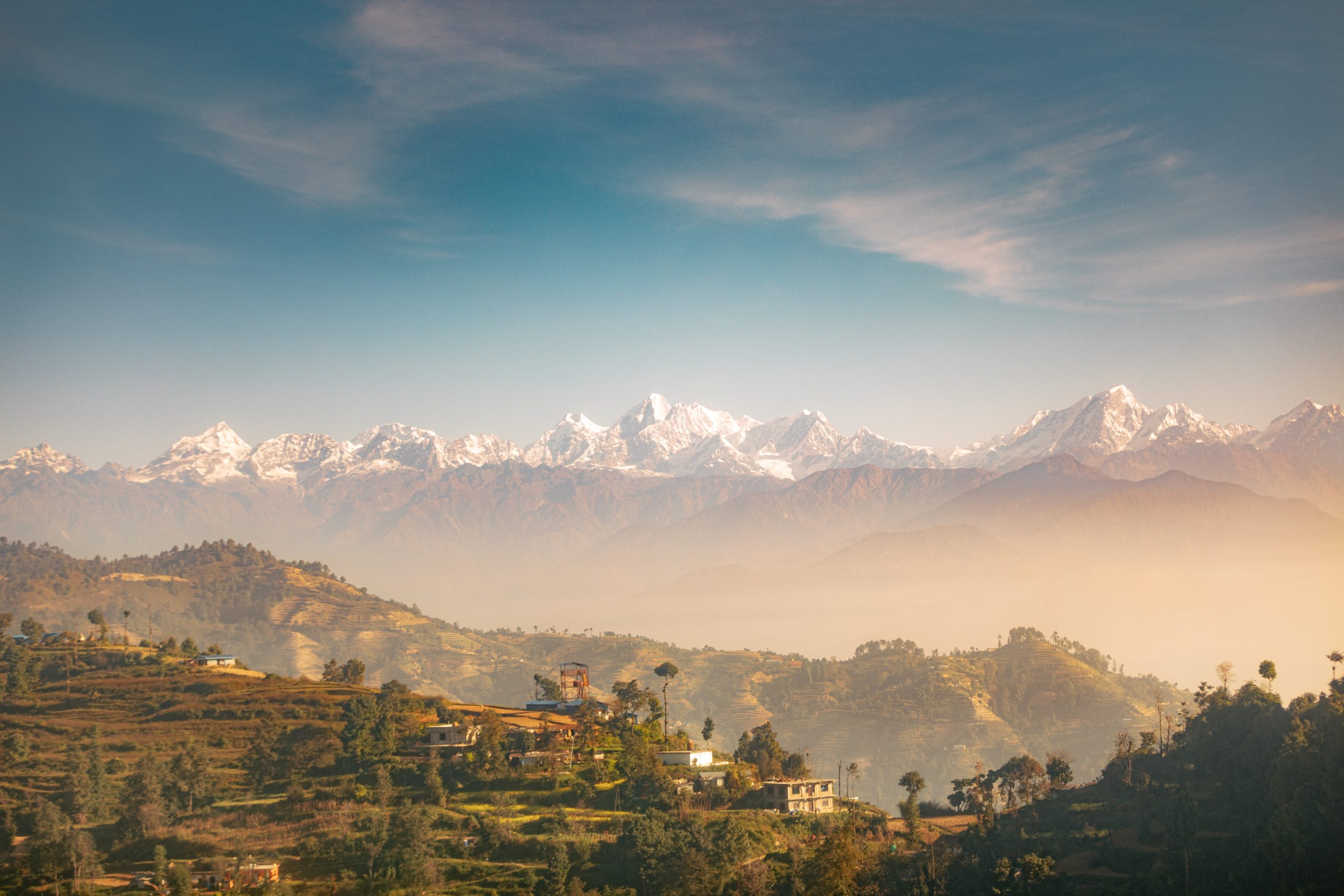
Following the trail along the Budi Gandaki River, you’ll encounter cascading waterfalls and rugged terrain, unveiling awe-inspiring views of the Manaslu, Ganesh, Shringi, and Annapurna ranges—a constant source of motivation and wonder.

Immerse yourself in the rich heritage of the Tibetan communities, where ancient dialects, art, culture, and unspoiled Buddhist traditions offer a glimpse into a lifestyle steeped in spirituality and history.

The trek is becoming more popular among trekkers. That being said, let’s understand all the information needed for the success of the Manaslu Circuit Trek.

Highlights of the Manaslu Circuit Trek

  • Marvel at Manaslu and the stunning Himalayan ranges.
  • Enjoy peaceful, less crowded trails.
  • Explore Tibetan-Buddhist culture in traditional villages and monasteries.
  • Trek through diverse terrains with breathtaking landscapes.
  • Conquer Larkya La Pass with spectacular panoramic views.
  • Spot unique wildlife and colorful blooms in spring.
  • Experience personal growth and serenity in solo trekking.
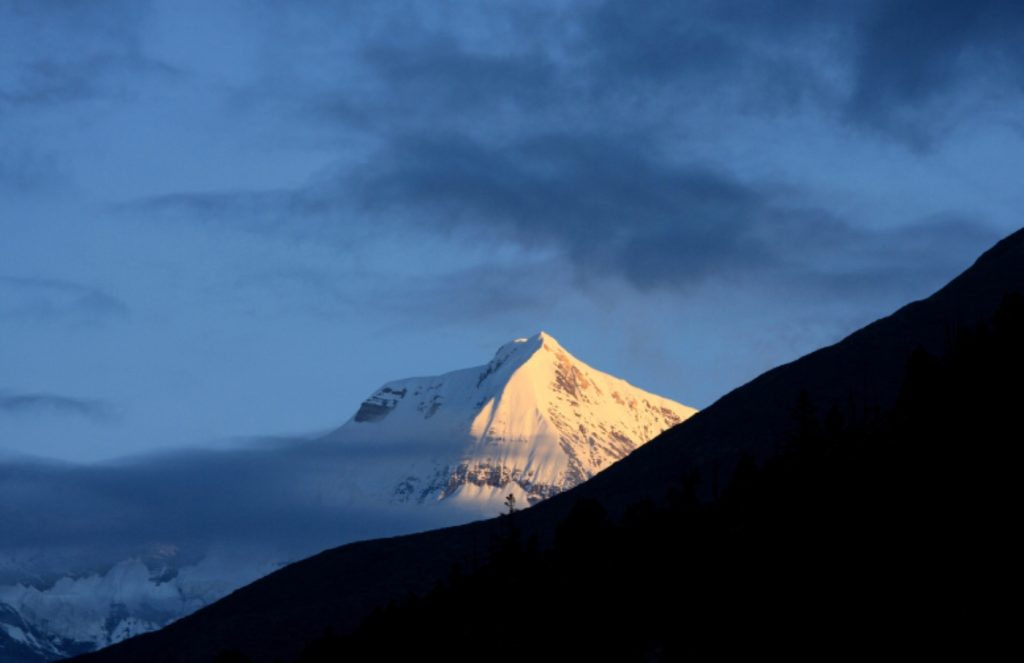
Best time For the Manaslu Circuit Trek

Choosing the right time for the Manaslu Circuit Trek can significantly enhance your trekking experience. Spring and autumn are the ideal seasons, offering perfect weather, excellent visibility, and captivating landscapes. On the other hand, trekking in summer or winter is generally not recommended due to challenging weather conditions. Here’s a detailed breakdown of the seasons:

Spring Season (March to May)

Spring is a magical time to explore the Manaslu Circuit Trek. The season is marked by:

  • Blooming Nature: Hillsides and forests come alive with vibrant rhododendron blooms in shades of pink, red, and white, creating a colorful tapestry.
  • Pleasant Weather: Clear skies, crisp breezes, and temperatures ranging from 28°C during the day to -15°C at night make trekking comfortable.
  • Fewer Crowds: Compared to autumn, the trails are quieter, ensuring better availability of transportation, accommodation, and food options.
  • Diverse Flora and Fauna: The lush greenery and thriving wildlife add to the charm of the trek.
  • Extended Trek Options: With more time, you can combine the Manaslu Circuit with the Tsum Valley Trek or the Annapurna Circuit Trek for a unique cultural and natural experience.

Autumn Season (September to November)

Autumn is often considered the best time for the Manaslu Circuit Trek due to its:

  • Perfect Temperatures: Mild days with temperatures around 25°C and cool nights dropping to -15°C provide ideal trekking conditions.
  • Stunning Scenery: Lush landscapes and colorful fields of amaranth plants create picturesque views against the backdrop of clear mountain vistas.
  • Festival Vibes: Nepal’s major festivals, Dashain and Tihar, bring a celebratory energy and an opportunity to experience local culture.
  • Vibrant Atmosphere: While the trails are busier, the lively trekking environment and unparalleled mountain views make it worthwhile

Planning Your Manaslu Circuit Trek

Before you dive into preparation, there’s a lot to consider for your solo adventure. What should you know about the Manaslu Circuit Trek as a solo trekker? From accommodation to permits, we’ve got you covered below.

Logistics

To explore the stunning Manaslu region, trekkers are required to obtain government permits. Here’s what you’ll need:

  1. Manaslu Conservation Area Permit (MCAP): Allows access to the conservation area.
  2. Annapurna Conservation Area Permit (ACAP): Required for the Annapurna region, which the trail partially overlaps.
  3. Trekkers’ Information Management System (TIMS): Maintains safety records for trekkers.

Note for Solo Travelers:
Independent trekking in the Manaslu region is not permitted. Solo trekkers must arrange permits through a licensed trekking agency. Government-registered companies handle the paperwork, including:

  • Passport and visa copies.
  • Guide insurance.
  • Detailed trekking itinerary.
  • Necessary agency documentation.

These agencies ensure all permits are secured before your trek begins, leaving you stress-free to enjoy your journey.

Starting Your Trek: The Route to Machha Khola

Your Manaslu adventure begins with an 8-hour ride from Kathmandu to Machha Khola, the trek’s gateway. You can choose between:

  • Public Bus: A budget-friendly option but expect overcrowding, bumpy roads, and multiple stops at villages.
  • Private Jeep: A more comfortable and efficient alternative, ideal for avoiding the hassles of public transport.

Accommodation Along the Trail

Teahouses are conveniently located throughout the Manaslu trekking route, offering basic amenities such as:

  • WiFi and hot showers (extra charges apply).
  • Warm meals and comfortable beds.

Pro Tip:
During peak seasons, high-quality teahouses fill up quickly. To secure the best accommodations, it is highly recommended that you book your stay in advance.

Gear Essentials

The right gear can make all the difference in ensuring a safe and enjoyable trekking experience, from navigating rugged terrain to braving unpredictable weather. 

  • Backpack
  • Trekking boots
  • Moisture-wicking base layers
  • Insulating layers (fleece or down jacket)
  • Waterproof jacket and pants
  • Trekking pants/shorts
  • Synthetic or wool socks
  • Hat and gloves
  • Sleeping bag
  • Trekking poles
  • Headlamp or flashlight
  • Water bottles or hydration system
  • Sunscreen
  • Sunglasses
  • First-aid kit
  • Map and compass or GPS device
  • Personal hygiene items (toothbrush, toothpaste, etc.)
  • Lightweight camp shoes/sandals

If you do not want to buy this equipment, you can rent it from Thamel. Shops like Kalapathar and others in Thamel rent these equipment at reasonable prices. 

Tips for Trekking the Manaslu Circuit

Safety is paramount, especially when trekking solo. While the allure of solo adventures is undeniable, it’s crucial to prioritise your safety above all else. Here are different tips to help Manaslu circuit solo travellers ace their journey. 

  • Stay fit with regular cardio and strength training.
  • Prior trekking experience helps with handling multi-day hikes and different terrains.
  • Get travel insurance covering medical emergencies, evacuation, and trip interruptions. Choose a provider with a strong reputation.
  • Share your trekking plans and emergency contacts with a trusted person.
  • Be aware of altitude sickness symptoms and take it slow with rest days to acclimatize.
  • Pack a first-aid kit with medicines for altitude sickness, pain relief, and wound care.
  • Learn about emergency communication tools like satellite phones or beacons.
  • Download offline maps of the area for reference.
  • Research trekking companies and choose an experienced guide familiar with the route and emergencies.

Conclusion

Manaslu Circuit Trek offers an unparalleled adventure through some of Nepal’s most remote and stunning landscapes. Whether you’re a solo traveler or trekking with a group, the trek provides a perfect blend of natural beauty, cultural immersion, and personal challenge. 

From the vibrant villages to the towering peaks and the serene solitude of the Himalayas, the trek is a rewarding experience that leaves a lasting impact on every adventurer. With proper preparation, the right permits, and an adventurous spirit, the Manaslu Circuit Trek is a journey you will never forget for a true sense of achievement and connection with the mountain.

FAQS

How difficult is the Manaslu Circuit Trek for solo travellers?
The trek is challenging due to high altitude, rough terrain, and long days. It’s best for experienced trekkers in good physical condition.

Are there any tips for female solo trekkers?
Dress modestly, build rapport with locals, and consider hiring a female guide or porter for safety and cultural insights.

Is Manaslu better than Annapurna?
Manaslu offers a quieter, more remote experience with a unique cultural atmosphere. If you want to explore both, you can do a combined trek.

Can I trek Manaslu without a guide?
No, you must trek with a licensed guide due to the restricted area regulations.
Discover Hidden Gems: Nar Phu Valley Trek

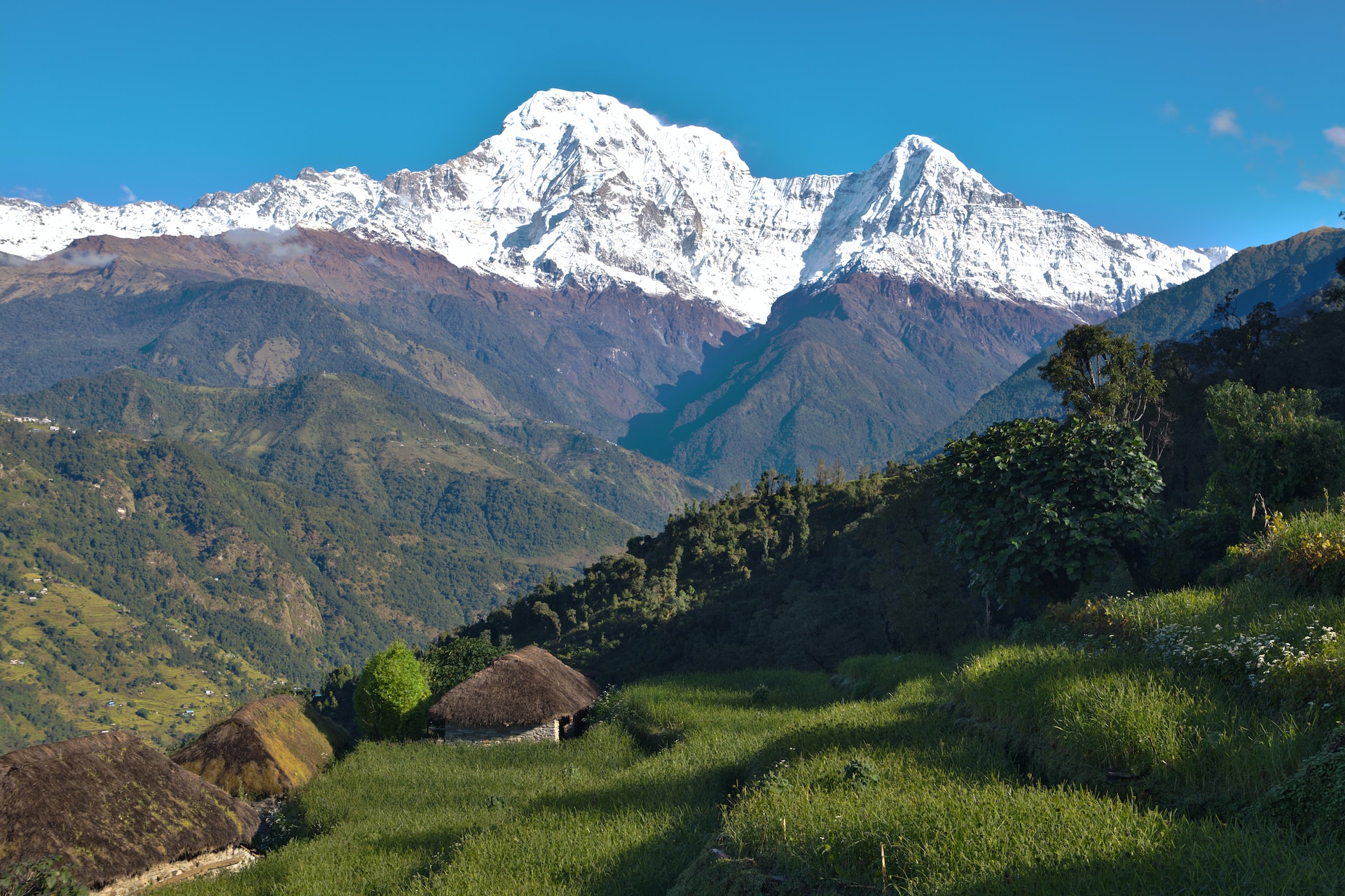
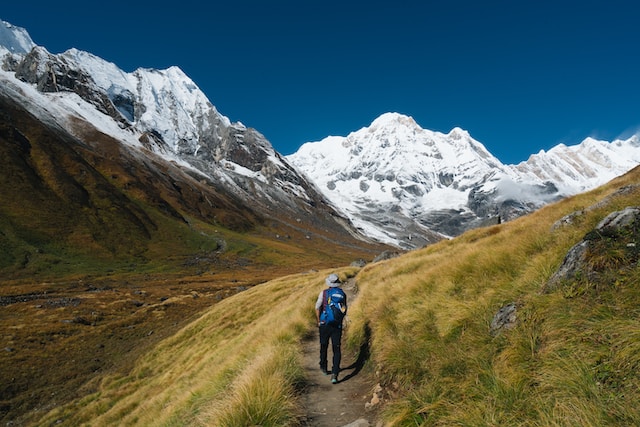
Nepal is known worldwide as a trekking paradise. The beautiful country offers some of the most breathtaking trekking experiences on the planet. However, among the many renowned treks in Nepal lies a hidden gem, the Nar Phu trek, nestled in the Annapurna region.

Often overshadowed by more popular treks, Nar Phu offers a unique and less-trodden path for those craving an offbeat adventure.

But what makes Nar Phu Valley Trek so different?

Overview of Nar Phu Valley Trek

The Nar Phu Valley, tucked away in the Annapurna region of Nepal, is a hidden treasure for trekkers seeking an off-the-beaten-path adventure. Historically, Nar and Phu were ancient Tibetan villages that played a significant role in the salt trade route between Tibet and Nepal. The trek offers a glimpse into the centuries-old Tibetan culture and traditions that have been preserved in this secluded valley.

Geographical Location and Route Map

Located to the north of the Annapurna Circuit, the Nar Phu Valley trek takes you through a remote and rugged terrain, surrounded by majestic peaks, ancient monasteries, and stunning landscapes.

The route typically starts from Jagat and passes through Chame, entering the Nar Phu Valley. The trail then loops back through Manang before rejoining the Annapurna Circuit.

Highlights of the Trek

The Nar Phu trek is a unique blend of natural beauty and cultural richness. The landscape is a visual feast, offering diverse scenery like alpine forests, high-altitude deserts, and soaring peaks.

You’ll encounter picturesque villages, interact with warm locals, and explore centuries-old monasteries, providing an enriching cultural experience. The journey also provides breathtaking views of Annapurna, Himlung Himal, Gangapurna, and other stunning peaks.

Day-by-Day Itinerary of Nar Phu Valley Trek

  1. Day 1-2: Arrival in Kathmandu and Preparations
    • Arrive in Kathmandu, the capital of Nepal.
    • Spend time in Kathmandu for permit arrangements and last-minute preparations.
  2. Day 3-5: Drive to Jagat and Trek Start (Jagat to Koto to Chame)
    • Drive from Kathmandu to Jagat, the trailhead.
    • Begin trekking, passing through picturesque villages.
    • Overnight stops in Koto and Chame.
  3. Day 6-10: Explore Nar and Phu Valleys
    • Trek deeper into the Nar and Phu Valleys.
    • Explore Nar Village, known for its unique culture and ancient monasteries.
    • Continue to Phu Village, where you’ll experience traditional customs and interact with locals.
    • Highlight stops include monasteries, dramatic landscapes, and high-altitude deserts.
  4. Day 11-14: Return Trek and Exploration (Phu to Manang and Back to Kathmandu)
    • Begin your return journey, still enjoying the breathtaking scenery.
    • Stop in Manang to explore and rest.
    • Trek back to Kathmandu, concluding your adventure.

How can you prepare for the Nar Phu Valley Trek?

Permits and Regulations

Before embarking on the Nar Phu trek, it’s essential to obtain the necessary permits. The main permits include the Annapurna Conservation Area Permit (ACAP) and the Nar Phu Restricted Area Permit, which allows access to the Nar and Phu villages. These permits help in managing and conserving the natural and cultural resources of the region.

Physical Fitness and Training

Trekking in the Nar Phu Valley demands a good level of physical fitness due to the challenging terrain and high altitudes. Prioritize cardiovascular exercises, strength training, and hiking to prepare your body for the trek. Additionally, acclimatization is crucial; gradually ascend to higher altitudes during the trek to allow your body to adjust to reduced oxygen levels.

Packing Essentials

Packing right is key to a successful trek. Here’s a checklist:

  • Clothing: Layered clothing for varying temperatures, rain gear, and cold-weather accessories.
  • Footwear: Sturdy, well-broken-in hiking boots and extra pairs of socks.
  • Gear: Sleeping bag, trekking poles, headlamp, and a backpack with a rain cover.
  • Miscellaneous: First aid kit, water purification tablets, sunscreen, sunglasses, and a hat.

Remember, packing light and efficiency are crucial for an enjoyable trek. Tailor your packing list to suit your specific needs and the duration of your trek.

Landscapes and Highlights

Landscapes

The landscapes during the trek are a nature lover’s dream. Imagine towering snow-capped peaks, pristine alpine forests, meandering rivers, and vast expanses of untouched beauty. The contrast between the lush lower regions and the stark, arid upper valleys is awe-inspiring.

Nar Phu Valley Trek

Highlights

The trek offers a tapestry of highlights. The Nar and Phu villages, nestled against dramatic mountain backdrops, are like stepping back in time. The ancient monasteries provide a glimpse into local spirituality and culture. And let’s not forget the expansive panoramic views that seem to stretch infinitely, capturing the essence of the Himalayas.

Cultural Encounters

Unique Culture and Traditions

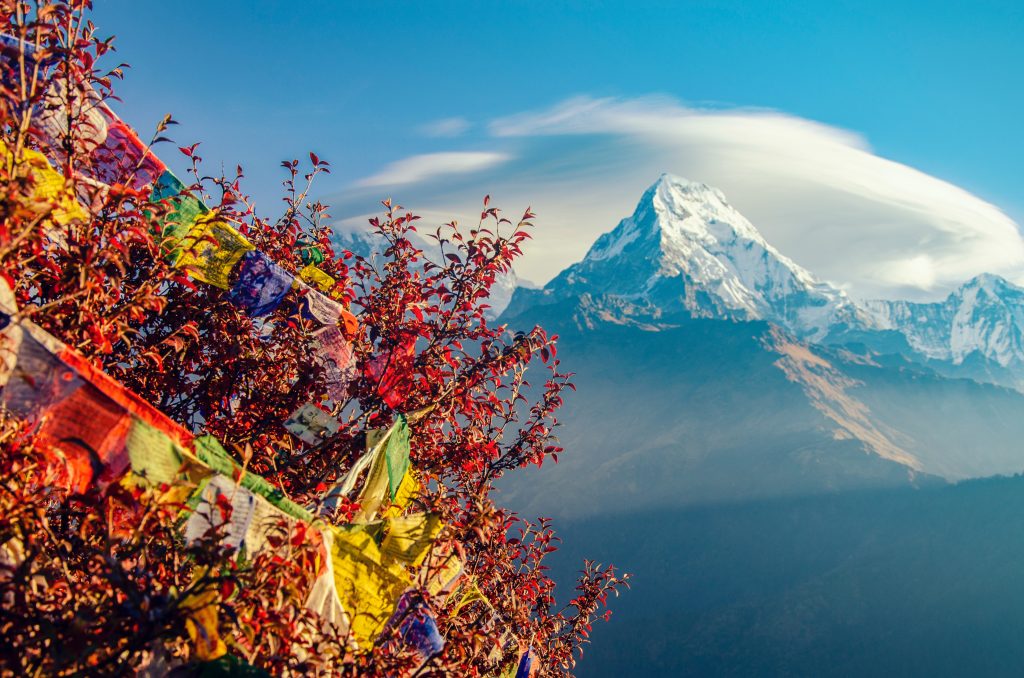
The Nar and Phu villages boast a distinctive culture steeped in tradition. The warm hospitality of the locals, the colorful prayer flags fluttering in the mountain breeze, and the resonant sounds of Buddhist chants are just a few aspects that make this culture unique.

Personal Experiences

Interacting with the locals provides a profound understanding of their way of life. Sharing stories, tasting local cuisine, and participating in their customs make for cherished memories. These experiences will stay with you, showcasing the beauty of cultural exchange.

Conclusion

The hidden beauty of Nar Phu Valley, combined with the warmth and traditions of its inhabitants. It creates a trekking experience that’s as much about the stunning scenery as it is about the enriching cultural exchanges. Dudhkunda Adventure Trek is here to be your travel partner for the effective experience of a lifetime.

FAQS

How difficult is the Nar Phu trek?

The trek is moderately challenging and suitable for those with a good fitness level and some trekking experience.

Are permits required for the Nar Phu trek?

Yes, you need a special restricted area permit for Nar Phu, in addition to the Annapurna Conservation Area Permit (ACAP).

How high is the highest point on the Nar Phu trek?

The highest point is Kang La Pass, at an altitude of approximately 5,306 meters (17,408 feet).

Are there teahouses or lodges on the trek?

Yes, there are basic teahouses and lodges in the villages along the trekking route.

Is altitude sickness a concern on this trek?

Yes, as you trek to high altitudes, acclimatization and proper precautions against altitude sickness are essential.

What is the distance of the Nar Phu trek?

The trek is approximately 75-80 kilometers (47-50 miles) long, depending on specific routes and side trips.

Can I do this trek solo, or do I need a guide?

It’s recommended to trek with a guide for navigation, cultural insights, and safety, especially in remote areas.

When is the best time to visit Manaslu Trek?

The Manaslu trek is a renowned and captivating trekking adventure located in the Nepalese Himalayas. When you plan your trek during the best time to visit Manaslu Trek, you can experience the raw and off-beaten path.

It offers trekkers a chance to explore the majestic beauty of the Manaslu region with breathtaking landscapes, charming villages, and panoramic views of snow-capped peaks.

Being less crowded than other popular trekking routes, the Manaslu trek has gained popularity among trekkers seeking a more remote and authentic experience.

But what is the best time to visit Manaslu Trek?

Manaslu Trek: Optimal Seasons for Adventure

Each season in the region comes with its own unique charm and challenges. Factors like weather conditions, trail conditions, and the availability of essential facilities play a significant role in determining the trek’s success and overall experience.

In this blog, we will explore the different seasons available for the Manaslu Trek and help you understand the best time to visit Manaslu Trek.

Late December to Early March: Winter Wonderland

Description of the Cold Temperatures and Frozen Landscapes

From late December to early March, the Manaslu region transforms into a winter wonderland with frigid temperatures and snowy vistas. The surrounding landscapes are adorned with a pristine layer of snow, creating a magical and picturesque atmosphere. Trekkers can witness frozen waterfalls, rivers, and lakes, adding to the charm of the journey.

Challenges of Trekking on Snow-Covered Trails

Trekking during this season presents unique challenges due to heavy snowfall and icy trails. The path becomes more arduous as trekkers have to navigate through thick layers of snow, which can slow down the pace and increase the effort required. The risk of slipping on icy terrain also demands caution and attentiveness.

Closure of Manaslu Base Camp and the Larke Pass

One significant limitation of trekking this season is the closure of Manaslu Base Camp and the Larke Pass due to heavy snow accumulation and potentially dangerous conditions. The closure restricts trekkers from reaching certain key points on the trek, impacting the overall experience.

Level of Difficulty and Gear Requirements

Trekking during this season is challenging and suitable for experienced trekkers with proper winter trekking skills. Adequate gear becomes essential to ensure safety and comfort during the journey. Trekkers must be equipped with high-quality winter apparel, including insulated clothing, waterproof jackets, sturdy trekking boots, and accessories like gloves and thermal layers.

Additionally, specialized technical gear, such as crampons and ice axes, might be necessary to navigate icy sections of the trail. Proper preparation and physical fitness are crucial to tackling the difficulties posed by the winter trek.

Manaslu circuit

March to Late May: Blossoming Beauty

Highlights of Rhododendron Blooms and Melting Lakes

March to late May is a delightful time for the Manaslu trek as the region bursts into a riot of colors with the rhododendron forests blooming. Trekkers are treated to breathtaking sights of vibrant red, pink, and white rhododendron flowers with a touch of beauty to the trekking trails.

Moreover, the frozen lakes during winter started to melt, creating picturesque reflections of the surrounding mountains.

Return of Villagers and Climbing Expeditions

As the weather becomes more favorable, local villagers who migrated to lower regions during the harsh winter return to their homes in the Manaslu region. This brings life back to the quaint villages along the trekking route, allowing trekkers to experience the warmth of local culture and hospitality.

Additionally, climbing expeditions to Manaslu Base Camp become more prevalent during this time, contributing to a lively and adventurous atmosphere.

Occasional Snowfall and Preparation for Hot Temperatures

While the main winter snow has melted, occasional snowfall can still occur during early March. Trekkers should be prepared for changing weather conditions.

As the season progresses, temperatures gradually rise, and by late May, it can get quite hot at the lower altitudes. Trekkers must be equipped with warm and lightweight clothing to adapt to varying temperatures.

Level of Difficulty and Gear Recommendations

The March to late May period offers a more moderate trekking experience than the challenging winter season. The absence of heavy snow makes the trails more accessible and less demanding. As the trek may involve occasional snow patches, carrying trekking poles is advisable for stability.

While technical snow gear is not necessary, trekkers should have reliable gear, including comfortable and sturdy shoes, waterproof clothing, and layers to adjust to changing temperatures.

Additionally, sunglasses, sunscreen, and a good hat are essential to protect against increasing sun exposure at higher altitudes. This season is well-suited for experienced trekkers and those with limited technical expertise, with a delightful and rewarding journey amidst nature’s blossoming beauty.

June to Mid-September: Lush Greenery and Challenges

Scenic Beauty of Lush Forests and Pastures

From June to mid-September, the Manaslu region comes alive with lush greenery as the monsoon season brings much-needed rain to the landscape. The once-barren trails and hillsides transform into vibrant forests and verdant pastures, offering trekkers a visually stunning and refreshing experience.

The trekking routes are adorned with wildflowers and lush vegetation, making it a treat for nature enthusiasts.

Presence of Mosquitoes, Bugs, and Leeches

The monsoon season also brings an increase in insect activity. Trekkers should be prepared to encounter mosquitoes, bugs, and leeches along the trails. Insect repellents and proper clothing (covering arms and legs) are essential to protect against bites and potential discomfort.

Slippery Trails and the Need for Caution

With the arrival of monsoon rains, the trails become slippery and muddy, especially at lower elevations. Trekking on such terrain demands extra caution and focus on avoiding slips and falls. Sturdy footwear with good grip is crucial to maintain stability on wet surfaces.

Possibility of Landslides and Impact on the Trek

The monsoon rains also increase the risk of landslides in hilly and mountainous regions. Trekkers must be vigilant and aware of weather warnings or potential hazards. In some cases, landslides can block or disrupt certain trek sections, requiring adjustments to the itinerary.

Level of Difficulty and Precautions to Take

Trekking during the monsoon season presents some challenges and requires careful planning. The slippery and muddy trails demand more physical effort and attention. Packaging appropriate rain gear, waterproof jackets, and quick-drying clothing are essential to stay comfortable during the trek. It’s advisable to carry waterproof covers or dry bags for protecting electronic devices and other essential items.

Trekkers should also plan their itinerary with extra buffer days to account for possible delays caused by weather conditions or landslides. While the monsoon season offers a unique opportunity to witness the region’s lush greenery and natural beauty, trekkers should be well-prepared and take necessary precautions to ensure a safe and enjoyable journey. This period is more suitable for experienced trekkers who are prepared to face the challenges posed by the rainy season in the mountains.

Late September to Mid-December: Best Time for Manaslu Trek

Perfect Weather with Moderate Temperatures and Clear Skies

Late September to mid-December offers the best weather conditions for the Manaslu trek. The monsoon rains have subsided, leaving behind lush landscapes and clear skies. Trekkers can enjoy pleasant daytime temperatures, making it comfortable for hiking, while nights may be chilly at higher altitudes. The stable weather during this period allows for excellent visibility and stunning views of the surrounding mountains.

Stunning Views of Snow-Capped Mountains

The post-monsoon season brings breathtaking views of snow-capped peaks, including Manaslu, which stands at an impressive 8,163 meters. The clear skies allow trekkers to witness the majestic Himalayan range in all its glory. The contrast between the lush greenery of the lower regions and the snowy peaks creates a truly unforgettable mesmerizing landscape.

Increased Popularity and Presence of Other Trekkers

Late September to mid-December is the peak trekking season in the Manaslu region due to its favorable weather conditions. As a result, there is an increased number of trekkers during this time, which can make certain sections of the trail more crowded. However, the popularity also means that teahouses and lodges along the route are fully operational, offering trekkers a comfortable stay and a chance to socialize with fellow adventurers.

Opportunity to Participate in the Manaslu Marathon

This season offers adventure enthusiasts a unique opportunity to participate in the Manaslu Marathon, an annual event that attracts trekkers and runners worldwide. The marathon involves a challenging route through the picturesque landscapes of the Manaslu region, providing participants with an unforgettable experience of running and trekking in the Himalayas.

Level of Difficulty and Benefits of This Season

Late September to mid-December is considered a moderate trekking season, making it suitable for many trekkers, from beginners to experienced hikers. The stable weather and well-established trails reduce the overall difficulty of the trek. Additionally, the presence of other trekkers during this time can enhance the overall experience, as it provides a sense of camaraderie and support along the journey.

The late September to mid-December period is undoubtedly the best time for the Manaslu trek. With its perfect weather conditions, stunning mountain views, and various benefits, this season promises an extraordinary and unforgettable trekking experience in the heart of the Himalayas.

Conclusion

The best time to visit the Manaslu trek is late September to mid-December, offering perfect weather and stunning mountain views. Dudhkunda provides proper planning, and gear selection is emphasized for a safe and enjoyable journey. Encouragement is given to embark on this unforgettable adventure, exploring lush forests, picturesque villages, and awe-inspiring Himalayan peaks. The Manaslu region promises cherished experiences and lasting memories for trekkers of all levels.

Best Time to Visit Nepal: Exploring the Seasons for Travel

Are you planning to visit the majestic land of Nepal? However, the varying weather and temperature patterns throughout the year make choosing the best time to visit Nepal daunting. 

From adrenaline-elevating adventure sports to breathtaking scenic views of the mountains, Nepal is heaven for trekkers, mountaineers, and nature enthusiasts. 

Spring and autumn are among the best seasons to travel, but winter and summer also bring some surprising things to offer the visitors.

Discover the Best Time to Visit Nepal: Embrace the Enchanting Himalayan Beauty 

Nepal, a land of breathtaking landscapes, vibrant cultures, and the majestic Himalayas, beckons adventurous souls and seekers of tranquility alike. As you plan your journey to this enchanting country, it’s essential to consider the best time to visit Nepal to make the most of your experience.

So why wait? Stay with us as we dive into every detail about the best time to visit Nepal to experience the beautiful and natural wonders of Nepal. 

Spring Season 

The hillsides and valleys come alive with a burst of colors, creating a beautiful and vibrant landscape. The cherry blossom trees that line Kathmandu and Pokhara’s streets bloom in a pink-and-white riot. 

While the weather is mild and sunny, making it the perfect time to trek in the mountains or explore the ancient temples and cultural sites. The rivers are crystal clear and perfect for white-water rafting, while the jungles of Chitwan National Park come alive with wildlife. 

Spring is Nepal’s renewal season and the best time to experience the country’s vibrant culture and stunning natural beauty.

The season usually starts in March and lasts till May. The weather is warm, mild, and sunny, making it the perfect time for outdoor activities like trekking, hiking, and sightseeing.

The clear skies and warm weather make it an ideal time for trekking and hiking in the mountains.

scenery in Nepal
Himalayan View in Nepal

Besides, spring also marks several festivals and celebrations in Nepal, including Holi, the festival of colors, and Nepali New Year (Bisket Jatra), celebrated with great enthusiasm and joy. During these festivals, people gather to dance, sing, and enjoy traditional foods and drinks.

MonthsTemperature Range (Lowlands)Temperature Range (Higher Elevations)
March15°C (59°F) – 25°C (77°F)6°C (43°F) – 16°C (61°F)
April18°C (64°F) – 30°C (86°F)9°C (48°F) – 19°C (66°F)
May22°C (72°F) – 30°C (86°F)12°C (54°F) – 21°C (70°F)

Whether you’re looking to trek in the Himalayas, experience traditional festivals, or witness wildlife in their natural habitat, Nepal in spring will surely provide a memorable experience.

Autumn Season 

Autumn, the post-monsoon season, is considered the second-best season to visit Nepal after spring. The season usually starts in September and lasts till November, characterized by mild temperatures, clear skies, and dry weather. 

The weather is mild and stable in autumn, making it the ideal time for trekking, hiking, and outdoor activities. The days are usually sunny, with an average temperature range of 20-25°C, while the nights are excellent, with temperatures dropping to around 10°C. 

MonthsTemperature Range (Lowlands)Temperature Range (Higher Elevations)
September18°C (64°F) – 28°C (82°F)-2°C (28°F) – 12°C (54°F)
October13°C (55°F) – 24°C (75°F)-5°C (23°F) – 10°C (50°F)
November7°C (45°F) – 20°C (68°F)-7°C (19°F) – 7°C (45°F)

Autumn in Nepal is a season of festivals and celebrations, with the popular Dashain and Tihar festivals being held during this time. Trekking and hiking are also best done in this season, as the weather is dry and stable, and the views of the Himalayas are breathtaking. 

Wildlife and nature are also at their best during autumn. Chitwan and Bardia National Parks are full of wildlife, including tigers, rhinos, and elephants, and many bird species migrating to Nepal, making it an excellent time for bird watching.

Summer Season 

Summer in Nepal starts in June and lasts till August, and it is considered the low tourist season due to the hot and humid weather and frequent monsoon rains.

The humidity can make it feel much hotter, and the intense heat can be tiring for visitors who are not used to it. Additionally, the monsoon rains bring frequent thunderstorms and strong winds, making it challenging to engage in outdoor activities.

MonthsTemperature Range (Lowlands)Temperature Range (Higher Elevations)
June25°C (77°F) – 30°C (86°F)10°C (50°F) – 20°C (68°F)
July25°C (77°F) – 30°C (86°F)11°C (52°F) – 21°C (70°F)
August25°C (77°F) – 30°C (86°F)11°C (52°F) – 21°C (70°F)

Summer in Nepal is a season of festivals and lush greenery. Although trekking is not recommended due to the monsoon rains and the risk of landslides and floods, some regions, like Upper Mustang, remain dry and accessible. The Rato Machhindranath Jatra and Gai Jatra are the most popular festivals during this season. 

Besides,  Wildlife is more active and visible, and visitors can spot tigers, rhinos, and elephants in the accessible Chitwan and Bardia National Parks. Cultural tours are also a great way to explore Nepal’s heritage, as the mild weather and the monsoon rains bring a refreshing breeze.

Winter Season 

Winter in Nepal lasts from December to February, the coldest season. The temperature drops significantly, especially at higher elevations, making it challenging for outdoor activities. 

MonthsTemperature Range (Lowlands)Temperature Range (Higher Elevations)
December7°C (45°F) – 20°C (68°F)-5°C (23°F) – 10°C (50°F)
January7°C (45°F) – 19°C (66°F)-6°C (21°F) – 9°C (48°F)
February8°C (46°F) – 21°C (70°F)-4°C (25°F) – 10°C (50°F)

Dry weather, clear blue skies, and cool temperatures characterize it. Winter in Nepal offers unique experiences like winter sports, festivals, and cultural tours. Trekking in higher elevations is challenging due to heavy snowfall and icy trails, but some popular routes can be attempted with proper gear and preparation.

Winter sports, including skiing, snowboarding, and snowshoeing, can be enjoyed in places such as Manang. Winter is also a season of festivals and celebrations, including New Year’s Day, Maghe Sankranti, and Shree Panchami. Visitors can explore Nepal’s rich cultural heritage by visiting historic temples, palaces, and museums in cities like Kathmandu, Bhaktapur, and Patan.

To wrap up, the best time to visit Nepal largely depends on your preferences and the experiences you seek. However, both autumn (September to November) and spring (March to May) are widely regarded as the prime seasons for visiting Nepal.

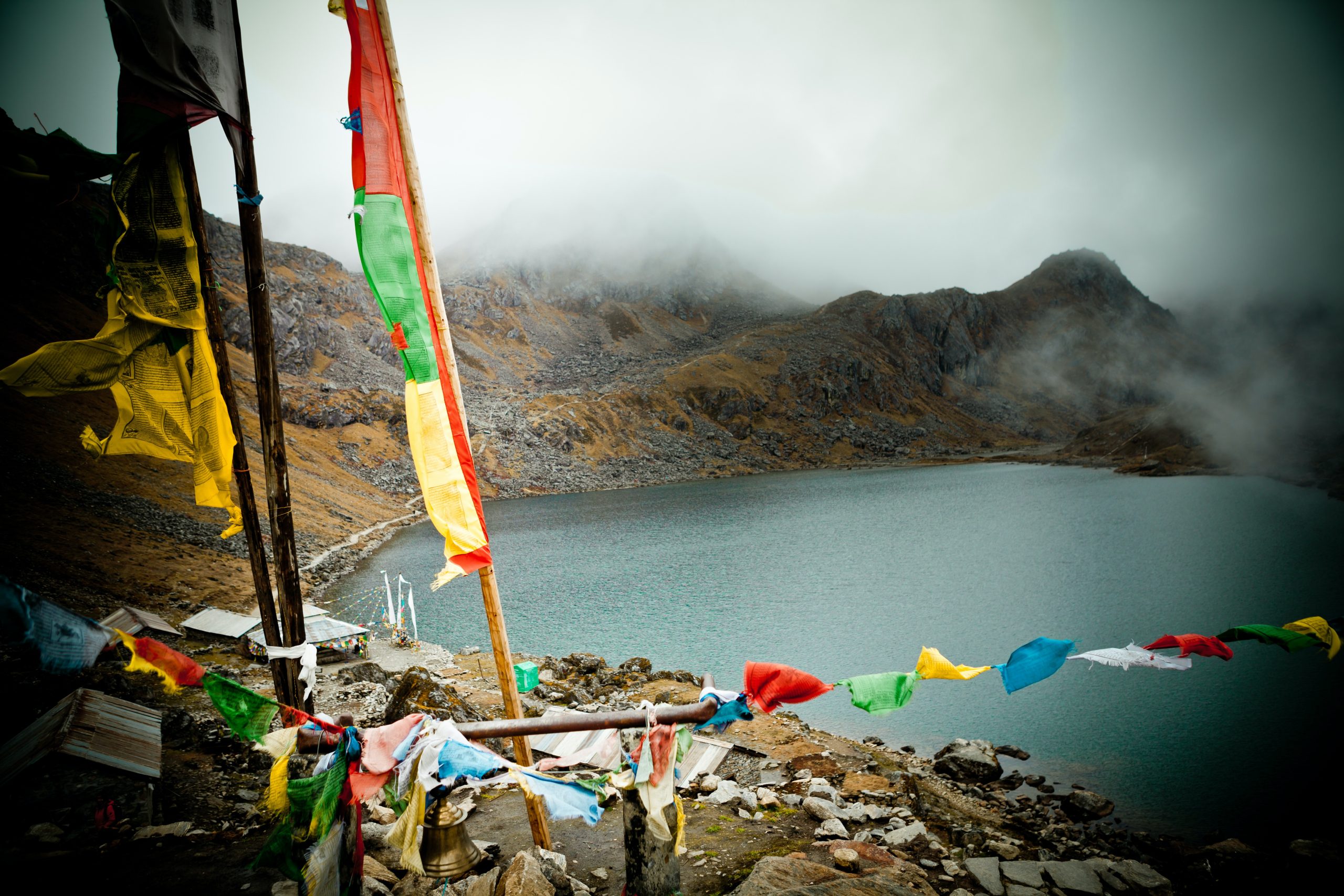
Gosaikunda Trek: Marvelous Trip To The Religious Sites 

Gosaikunda Trek is one of the fantastic religious trekking sites which provides the warmth of being around nature. What is so special about the Gosaikunda trekking routes? 

In the religious sense, it is a pilgrimage for Hindus and Buddhists. In terms of activities increasing your excitement, there are tons. 

Participating in numerous adventure activities will boost your adrenaline. The most stunning and panoramic views of mountains and hills will take your breath away. 

Trekking through various pathways, sampling traditional Nepali cuisine. Tamang and other indigenous groups are all part of the adventure.

During your journey, explore every natural vegetation the Langtang national park offers. It is also quite a benefit of this journey. So buckle up and let us learn much about the stunning trekking route towards the Gosaikunda Lake. 

What are the fantastic things to explore in Gosaikunda Trek? 

Gosaikunda Trek is the most popular short trek and an addition to the Langtang Trek. You will haul up to the pine forest where red pandas are found to the holy lake Gosaikunda. 

Difficulty Moderate 
Trek Duration 4-7 days, depending on your routes
Max. Elevation 4610 m
Start point Syabrubesi 
End Point Sundarijal 

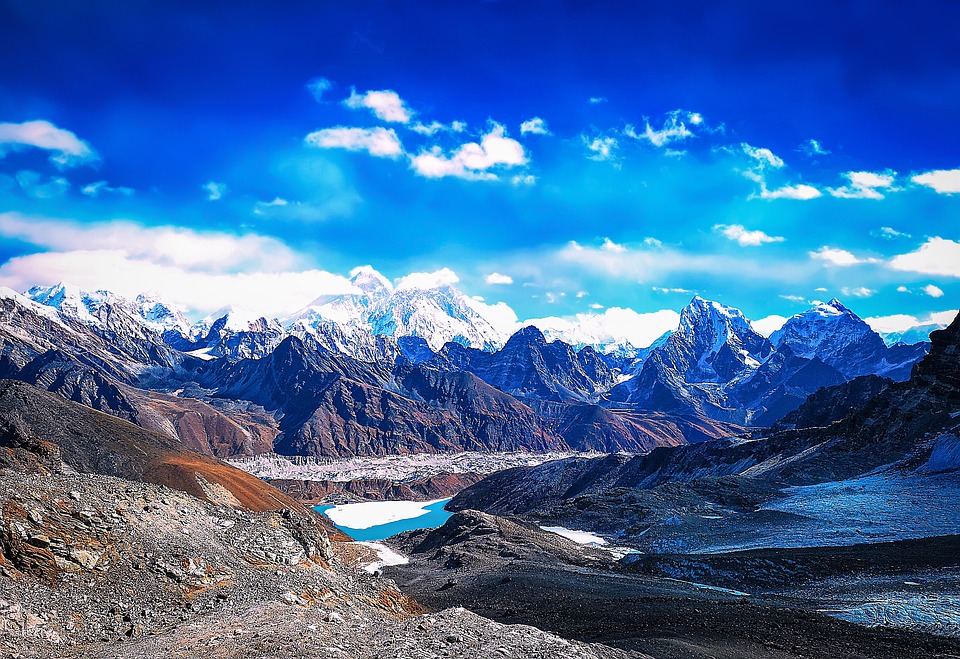
Although you will not be standing face to face, you will get to observe the fantastic views of the Ganesh and Langtang Himalayan range. 

How can you remember snowboarding and challenging Lauberina La( 4610 m)? 

You can observe the magnificent views of ten peaks over 6000m. 

There are several ways to approach the Gosaikunda, whereas acclimatizing in the Langtang Valley is best. 

The closest trek from the Kathmandu Valley takes you on a delightful journey through terraced fields, wild forests, flower meadows, and many villages, providing a magnificent view of the mountains. 

The route also highlights the Tamang culture as much as the mountain scenery. You will start from the syabrubesi while getting a glimpse of Tamang village Ghatlang—the hot springs at Tatopani and the fine mountain views from Nagathali Ghyang. 

Afterward, you will pass through Ganja La Pass, which links Kyanjin Gompa at the head of the Langtang Valley with Tarke Gyang. 

The spectacular view of the icefall Gyanghempo crosses the Ganja la pass over the Helambu valley, famous for organic farming. You can get a guide, buckle up to Kyanjin Gompa, and walk further to Langsisa Kharka. 

Ultimately you can extend your journey toward the Langtang glacier, where you will feel the Himalayas all to yourself. Gosaikunda is a 6oo meter alpine freshwater lake that consists of several other ponds Bhairav Kunda, Saraswati Kunda, Parvati Kunda, and Aama Kunda are magnificent ones. 

This area is considered to have 108 ponds close to the Ramasar site. So watch out for them carefully. 

While exploring the Tamang culture, you can observe the local monasteries. Sing Gompa is one of them. It is a historic monastery that the locals refer to as Chandanbari. If you want to experience inner peace, take a break, light the butter lamp, and pay attention to the monks as they pray. 

The cheese factory of Chandanbari will be open, where you can learn much about its production and processing. The journey is filled with excitement, thrill, and adventure. Make sure to explore all the local places during your trip. 

Religious Facts of Gosaikunda Lake

Gosaikunda Lake equally holds importance for Hindu and Buddhist people, according to the local people of Gosaikunda, who have been a part of Tamang culture extensively. 

As Buddhists pay a visit to the holy lake, praying for the afterlife of departed souls. On the night of Janai Purnima, a process led by Jhankris(shamans) makes its way toward the lake, singing songs and chanting hymns. 

According to Hindu Mythology, Gosaikunda is the home of the goddess Parvati and lord Shiva. Various Hindu sculptures refer to Samundra Manthan, which explains the origin of Gosaikunda. 

The lake is believed to be created when Lord Shiva thrust his trident into a mountain to extract water so that he could cool his burning throat after swallowing the poison during Samundra Manthan. 

Best Time To Visit Gosaikunda Trek 

The fantastic and sacred location is one of the famous trekking routes of Nepal. All of you preparing for your trekking journey might wonder when will be the right time to visit the lap of Langtang region. 

The weather is divided into seasons: Winter, Summer, Autumn, and Spring. 

However, the autumn and spring seasons are the best tie milestones for the trek. You can explore the expansive mountain view and cultural expressions during the season.  

The Autumn season from September-November is also the best. The spring season lies from March-May. The local flora and fauna, with alpine vegetation, are abundant during this season. The highlight of this season is the pink-colored forest with an aroma of pine and mountains. 

The days are warm and temperate weather conditions, whereas the nights are cold and breezy. While the paths are not steep, making it easier for your hike. The clear skies give a marvelous view of the smaller and bigger peaks. 

During winter, from December-February, you must deal with extreme weather conditions. It might be followed by the snow, which brings the major obstacle during your hike, along with the absence of the marvelous sky view. 

How can you remember the frozen lake, which might add a bit of beautiful scenery during your journey in the winter season? 

The summer season begins in June-August, which will also be an appropriate time for trekking. But sometimes, the temperature might be extreme, and you must face sunstroke. 

Plan your trip correctly, and remember to contact us for the proper partner during your trekking journey. 

Conclusion 

The Gosaikunda trek is one of the most adventurous while exploring our spiritual sites. You are planning to bear nature and also find peace in your life. This journey is one you will never forget in your life. 

From the exploration of natural vegetation provided by the Langtang region, spiritual satisfaction is provided by local monasteries and Gompa. One must remember the holy lake Gosaikunda which is fantastic. 

Get ready both physically and mentally before starting to explore the trail. Make sure to stroll when you hit a certain height and breathe slowly. I hope you like our blog. 

Travel Tips and Regulation In Nepal; Alluring Beauty of the Himalayas

Now the era of a pandemic is coming to an end, and you might want to explore the Himalayan country even more. But there has been a variety of changes since the pandemic. So what might be the new rules for traveling during the pandemic? 

The pandemic has hit people hard, and they are eager to take vacations. And where to go better than Nepal, a nation on the lap of the Himalayas. From enjoying the mouthwatering cuisine and diverse culture to exploring the temples and hiking trails.

At the same time, you will also be taking part in dangerous sports. Now is the perfect time to gather a bag of adventurous and thrilling memories. In the post- covid, some minor changes to international travel rules have occurred. 

Travel tips

People looking for an exhilarating experience in the hills and mountains frequently visit Nepal. Why are you still waiting? Meet the friendliest people by exploring the valleys. Get ready to go on a short trip to the Himalayas while explaining all the travel tips required for your journey in the post-covid era. 

Nepal is the ideal place to explore after pre pandemic. 

The world is dealing with covid, and people have been trying to get back to their everyday lives. At the same time, many people are waiting to tick all the wishes on their bucket lists. So you might want to adventure and thrill activities off your list. Nepal might b the perfect place for it. 

Nepal is a small country in southeast Asia with a complete package for food lovers, adventure seekers, trekkers, and cultural explorers. I guess you are one of these people, so first, let’s get into food and culture. 

Nepal is a beautiful garden of minor and indigenous groups of people living in peace and harmony. These cultures have a significant background and offer various foods and festivals. During festivals, you will get to explore even more nutrition and cultures. So mark your journey during the time of festivals.

While you can explore the cultural heritages like durbar square, temples, and gompas, also taste the authentic cuisine available in the local space, from Newari to Thakali, the list goes on and on. You might want to try Dido to Bara. Remember that every Nepali food is not spicy. 

Do not worry about spice tolerance, and enjoy the food.  

Nepal is a breathtaking country between the Himalayas, from this region’s snow-capped mountains and pristine forests. This nation is home to warm, welcoming people and a rich cultural and historical heritage.

Having an adventure that includes viewing different beautiful scenery or seeing a stunning view of the mountains might be a unique thrill. The Everest base camp, Annapurna base camp, and other trekking spots are popular stopping points for trekkers and climbers.

In the meantime, you can also participate in adventurous sports like rafting, bungee jumping, and paragliding in Pokhara’s blue sky. Get ready to take the adventure next level and have fun. 

Mandatory Rules Of Travelling in the Lap of Himalayas Nepal

From February to May, many tourists visited Nepal, marking it the most visited destination. According to the Nagarik Network, 2,37,660 tourists have been seen as of the half month of 2022. While many explore the cultural heritages and temples, there is more to that. 

It might not come to you as a surprise that adventure seekers find Nepal as a land of heaven. Being a frequent traveler to Nepal, you might know the rules and regulations. But if you are a newbie, let us get to know some of the mandatory regulations for traveling toward the destination. 

  1. Ensure you get all required permissions and check the documents before leaving for the trip. 
  2. Only wear things which are heavy and expensive cause you might have to face chaos during your trip. 
  3. Always make sure to pack the necessary and lightly. You might not want a burden during your hike. 
  4. Never harm any wildlife during your trip. 
  5. Connect with people around you and get tips to enjoy better local cuisine and culture. 

These are some of the basic rules of traveling but make sure to grab everything you need and research properly before starting your trip. 

Likewise, everyone must be aware that when we travel to various locations, while being creative and taking chances. Maximizing their time may involve exploring new places and creating many memories. 

Everyone must know the locations while exploring the paces and making the best memories of a lifetime. You might need more time to process numerous regulations when traveling. Memorizing these rules might help you out in the journey. 

Pack only necessary things like first aid, water purifier, and others. Unnecessary packing can add unwanted weight, which will affect your journey. You will also waste energy carrying the loaded bag rather than enjoying the trip. 

Likewise, get a medical exam before you travel as you will be getting to know much about your health, which will be beneficiary. 

You might have to get a covid test, but it’s not mandatory nowadays. However, getting a supply of masks and hand sanitizer is necessary. Also, inform people if you have any allergy condition so that you can deal with it. 

Besides the paperwork, be aware of the permit mandatory for the trip. You can get it from the official website of the nepal tourism board. You can choose us as your partner for the journey, and we will take care of everything. 

After Covid Regulations and Restrictions on traveling 

You can say that corvid-19 has dramatically changed many people’s lives. The period of isolation is over, and people are returning to their everyday lives. You might also want to get up and complete the journey you have discussed for a while. 

Each country has enacted some mandatory restrictions to ensure the traveler’s safety. The visa on arrival remains the same. Besides, there are some changes in the health guidelines. 

You must get a vaccination card showing the complete covid-19 vaccination dose within 14 days before entering Nepal. Do not worry; the amount should be total even if you get the vaccine before 14 days. 

If you still need to complete your dose, you must get a covid-19 test. The result should be negative within 72 hours of boarding from the first airport or if you are entering through the land border within 72 hours of joining. It might be optional for children under five years.

During the pre covid era staying in isolation for 14 days was mandatory. However, it is not the case right now. Since the vaccination has become more vital, you can enjoy the trip effectively and be safe. 

Conclusion

Nepal has ranked as the top destination to visit. Many people might wonder what are the safety rules hereafter covid. But you can assume that traveling has been even more fun and more accessible. Make sure to have fun, and travel I hope you like the blog. Thank you for your time.  

Ama Dablam Trekking: A Spectacular Adventure in the Himalayas

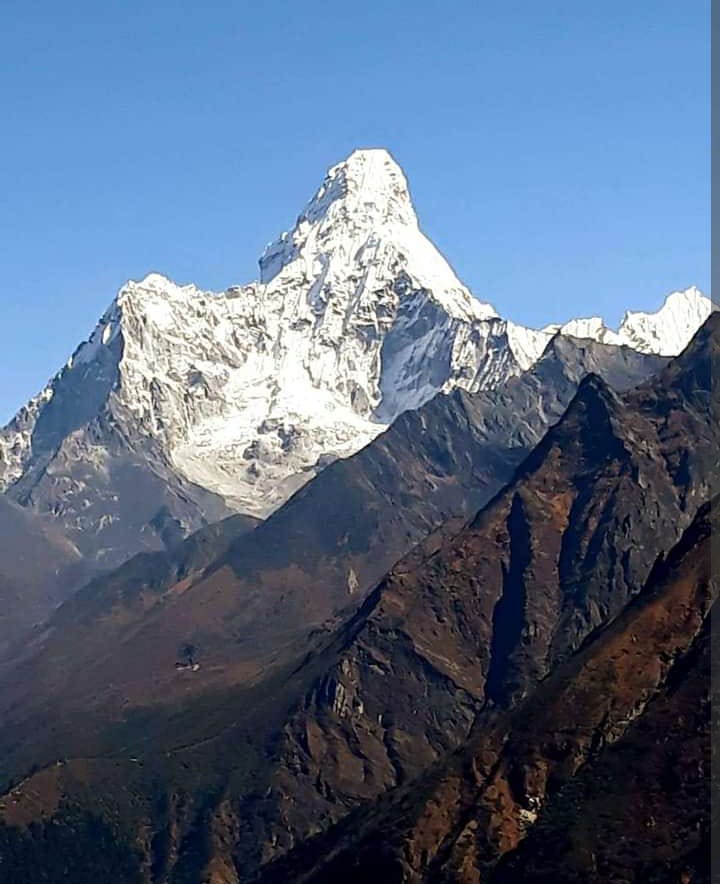
Ama Dablam is a breathtaking paradise in Nepal’s Eastern Himalayan region. The Ama Dablam trekking is one of Nepal’s most popular itineraries. Ama Dablam, which means “Mother’s Necklace,” offers one of the most beautiful views of Mount Everest and other smaller peaks.

The Dablam, a traditional double pendant with images of the gods worn by the Sherpa people, is represented by the long ridges on either side and the hanging glacier.

The Ama Dablam base camp trek visits the heart of Sherpa country and sees how it lives. The Everest Base Camp route is walked for a few days, after which Thyangboche bends toward the east.

Along with the magnificent trekking route and panoramic views of mountains, experiencing Sherpa culture and tradition is an unforgettable experience. The villages of Khumjung and Khunde visited the Sherpa monastery and local hospitals. So stick with me since I will take you on a quick trip along the Ama Dablam trail.

Ama Dablam Trekking Route And Its Expectation 

To be a trekker and mountaineer, you’ll be eager to explore the beast and heaven. The initial stage of this trip is Namche Bazar. An easy morning walks to the highest hotel in the world, Everest View Hotel, which will also serve as a resting place for acclimatization. The hotel’s terrace offers a breathtaking view of Everest, Lhotse, and the entire Khumbu Valley.

How can we overlook the Sherpa museum, which will give you a deeper understanding of their culture and customs? The additional charm of this journey is the lovely flora and fauna that may be seen in Mount Everest’s Sagarmatha National Park.

Ama Dablam Trek

Take you to Thyanhboche monastery, which will transport you and your body towards serenity as Buddhist monks sing prayers. Just after Thyangboche, you will leave the well-trodden path and enter the valley of grasslands of Ama Dablam base camp.

If you go hiking in the Himalayas, you should leave everything behind and enjoy nature. You’ll be transported to heaven on earth when you do this. At the bottom of Ama Dablam, you may get a better look at the pyramid form of this magnificent peak. The mountain is difficult to climb and is made by experienced people.

After the Ama Dablam region, you will be taken to another monastery in Pangboche. This is a typical Gompa in the Khumbu region and a holy site. The Sherpa village has a better perspective of the Khumbu Valley. You’ll understand why the community is known as greenery after you walk into Khumjung.

Every home in this village has a green-colored roof. Another monastic foundation is also located in this beautiful hamlet. Edmund – Hillary School, the Himalayan Trust of New Zealand sponsors, is well worth a short visit. The trust was founded by Sir Edmund Hillary, who was the first summit of Mount Everest.

How Difficult is The Ama Dablam Trekking? 

Ama Dablam is one of the visited trekking trails which comes along the path of Everest Base Camp. The trekkers and mountaineers have Everest base camp on their bucket list. Even the beginners have set a margin for visiting the Ama Dablam Base camp; however, this is a slightly difficult trail. 

Even beginners have climbed the trail leading through the Himalayan region’s most beautiful and heavenly places. It takes an average of eleven to twelve days for the expedition of trekking routes of Ama Dablam. Experienced trekkers will not face many problems regarding the trail, but beginners must focus slightly on practice and exercise before participating. 

Exploring the scenic view of various peaks along with Mount Everest and enjoying all the friendly and local culture and cuisine will make every effort worth it. Make sure to train hard so that the trekking trail will not be harsh on you. 

Best Season To Visit the Ama Dablam Trekking  

Nepal enjoys various seasons throughout the year. The chiseled sculpture that has drawn the attention of trekkers and climbers on their ascent to Ama Dablam for decades is admired by them. Many have vowed to return and climb it. But the Himalayas have always been suspicious regarding the weather and conditions.

Ama Dablam is a beautiful and difficult mountain, and those who have trekked to the Everest base camp trail have dreamed of going on this fantastic journey. The winter months of November through January will be extremely tough to travel through this route. Slippery trails and severe weather can create significant health hazards. As a result, I will not suggest hiking this path during the winter.

The best time for trekking is between March and May when the weather is pleasant. Because there are no climatic limitations, you may go sightseeing in all the wonderful valleys and stunning vistas without regard to the season. The sidewalks and pathways are not slippery, making your walk much more pleasant.

September to November is the best time to visit because it’s warm, there’s less risk of snow, making your trip more memorable, and the weather is nice.

The optimum months to go on the Ama Dablam trekking trip are April and September, when the weather is most constant. This is when the weather is most stable, giving you the best chance of seeing Mount Everest from afar. Even in the summer, conditions can change rapidly in the mountains, so be ready for anything.

Final Words 

The Ama Dablam trek is one of Nepal’s most popular excursions, and for a good reason. The route travels through some of the most beautiful Himalayas, with towering mountains and glacial fields ever-present. If you’re seeking a thrilling experience, the Ama Dablam trekking route is the place to go.

The Ama Dablam trek is difficult, but it’s also highly gratifying. To finish the journey, you’ll need to be in excellent physical condition because there are significant climbs along the route. The trek to the top of Ama Dablam is fairly short, but it will be well worth your time.

The Ama Dablam trek is a fantastic alternative for an unforgettable trekking trip in Nepal. Just be sure to bring enough supplies, and you’ll have a journey that will last a lifetime.

Langtang Trek; The Marvelous Trip to the Upper Valley of Langtang

Nepal is a paradise for trekkers with the world’s most beautiful places.  Trekkers find Annapurna and Everest base camps quite adventurous trekking spots. At the same time, Langtang Trek is also the third most visited trekking spot in Nepal.

Langtang Trek is a spectacular valley Inhabitat in the Himalayas—the heavenly view of white-capped mountains and fertile valleys and hills. At the same time, we are enjoying the culture and heritage of the Tamang people, who are also quite friendly.

How Long is the Langtang Trek? Alluring Your Adrenaline

The Langtang walking trail is a glacial environment covered with ice caps and glaciers near Kathmandu Valley. The establishment of Langtang National Park in 1976 has attracted all trekkers and nature explorers to explore.

Most people start the trail from the Dhunche, and the journey might take about four to five days. The Langtang Valley trek is a full-day hike further up the valley while spending a couple of days extra in the upper valley. While ascending Tsergo Ri and exploring a magnificent view of the white wilderness of the peak.   

In the meantime, starting your trip from the Syabrubesi ( Tibetan resettlement area) might help you cut a day off.  This is around a ten-hour ride from Kathmandu Valley. The valley from Syabrubesi to Kyanjin has a rich biological and cultural diversity that attracts many people. In the meantime, following the route and reaching Rimche is the favored route for the Langtang trek.

Two important valleys are present: Langtang (3300m), a bigger one, and a cozy place to spend one extra night and acclimatize. At the same time, Kyanjin (3750 m) exaggerates the small gompa, a cheese factory, and attractive lodges which might fill up during high seasons.

Langtang trek

The road rises from the Kathmandu Valley to the northeast while enjoying the stunning views of fertile hills. While we also observed the view of Ganesh Himal, Himal Chuli, and Annapurna region. While hearing the magical symphony of cicadas in the din of the bus will add more pleasure to your journey.

You are further, starting from the north of Trishuli and climbing the valley bottom while observing the views of Langtang range, Paldor Peak, and the incredible gorge. Will the natural beauty of this valley add much more memory to your luggage?

Upper Langtang Valley; Blissful Exploration of Langtang Trek

Langtang Valley has a lot to offer to make your trip magical. Kyanjin Gompa (3900m) is an excellent base for exploring the heavenly upper reaches of this valley. Meanwhile, the gompa added the completion of a newer building opposite the gompa.

The factory has been transporting cheese to Kathmandu from over the Ganja La. You might be quite fascinated by the technology from May to October. There is around 5000 to 7000 kg of cheeses to manufacture from nak (female yak) and Chaumri (crossbreed yak).

Musk deer can be seen in the forest to the south or even in the settlement area. In contrast, you can hire a Tibetan horse for sightseeing which can also be a fantastic experience. It can take your journey further up, taking across the Ganja La.

Short Trip from Kyanjin Gompa

It might be one of the destinations on a half-day hike from Kyanjin Gompa, which lies east of the Gompa below the lama quarters. The trail passes by the white chortens while heading north towards the western flank of Kyanjin Ri. After 20 minutes of passing through white chorten, dividing the track into an extensive rockslide.

Within the next 30 minutes, the upper path will cross the rockslide region. While continuing up, the pass to the south of the stream eventually reaches the Lado pasture area. Following the trail north to the glacier and climb the east of the glacier for the best views in around 20 minutes.

While heading northeast from Kyanjin, Gomba will lead you to the frozen lake. You can observe the human settlement area along with the stream. Crossing the wooden bridge over the stream heading west to the upper part will take you to the lake—the Lirung and Kimshung tower above the lake after 40 minutes of the hike.

Short Trip To Kyanjun Ri Along with Tsergo Ri viewpoint

Further taking a one-hour climb to the north lies the relatively small hill called Kyanjin Ri, lying behind the Kyanjin Gompa. This trail also leads to the cheese factory behind the government building while climbing through the stones and the zigzag path before reaching the Kyanjin Ri, popular as Brana Chumbo draped with a prayer flag. 

A path higher than Kyanjin Ri will take you to Menchamsu, a higher point to view all the prayer flags, which might be a steep drop-off due to erosion.

The trail to the Tsergo viewpoint can is observed from the lodges of Kyanjin Gomba as its zigzags toward the northeast after reaching the trailhead east, which leads you out of town through the grassland over rough terrain within 20 minutes.

The trail ultimately branches leading further around the mountains to Digyabsa Kharka and Yala Kharka, reaching the seasonal huts of Dacha Pesa. Or passing the places in about two-three hours and taking the route along Yala Kharka will take you to Tsergo Ri viewpoint, which lies north in direction.

Langsisa Kharka

Another option for your trip is to head up the valley to Langsisa Kharka, next to the summer pasturing settlement. 

While this is a long hike up the valley, Langsisa Glacier can be observed from afar, and a closer look may take about an hour. Reaching Langsisa and returning to Kyanjin can be pretty adventurous, while food and headlamps are required.

Heading east from Kyanjin Gomba for about an hour, reaching north to the bank of Langtang River, and Continuing upstream after 45 minutes, will bring you to the human settlement area Chadung. After one hour, you will reach Numthang, where cheese is produced.

Meanwhile, heading towards the glacier while crossing it and climbing 4132m, you will reach the huts of Langsisa Kharka and other scenery can be observed.

Ahead lies the border of Langtang Valley and Tibet, which is also a hard climb day. At the south lies the Ganchenpo Peak and the Helambu region up this valley.

Fun Fact about Langsisa Kharka

There is a big red rock in the Langsisa Kharka. According to the legend, the color is red because a holy man living outside the valley once lost his yak and tracked it in that place. The yak died here (Langsisa means a place where the yak (lang) died). While the lama wanted to hide skinned it and spread the skin in the rock to dry.

The skin got stuck to the rock and remains to this day. It is the legend of Langtang Valley, where tang means follow hence naming Langtang. Before, this place was considered hidden, while it is considered sacred. No animals are slaughtered here, and meat is not found in this area.

Best Season to visit Langtang Trek

This trekking route is a fantastic exploration of tradition and culture, with a magnificent view of beautiful white peaks, gompas, stone-built huts, and many more. Langtang Valley route is not a busy trail until its peak season while meeting the friendliest local people.

Four seasons are Spring, Autumn, Summer, and winter, with different temperature conditions.

This valley lies between the alpine and sub-alpine zones with adjustable weather conditions. The abundant forests of oaks, rhododendrons, and mixed vegetation come into life during these seasons. Along with the refreshing view of the Himalayas and fertile hills under the blue sky is the beautiful scenery offered in these seasons.

In the meantime, the best side view of this trekking trail is during the spring and autumn season. The off-season might add some challenges to this trek.

The Autumn season (September, October, and November) is quite the best time to visit Langtang Valley. The blue sky, adjustable weather conditions, and magnificent views are observed during this season.  The temperature is warm during the day and slightly cold at night, with an incredible feeling.

Spring season (March, April, and May ) is also one of the best seasons to visit the Langtang Valley trek. While you might experience a slow range of snow in the early months of March, in April, days are warm with pleasant weather. May might be the hottest with suitable climatic conditions perfect for your journey. While sometimes, you might encounter early monsoon.

Due to climatic conditions, there might be better times to visit than the summer and winter seasons. No matter which season, you can see the Langtang Valley to explore its natural beauty.

Conclusion

While many places to explore in the valley make your trip much more adventurous, from well-equipped trekking gear to fitness, you must be well-prepared before your trip. Make sure to enjoy and explore every place you can during the journey.

High Altitude Sickness: Is it Dangerous?

Every trekker and mountaineer may have experienced altitude sickness. The dream of exploring the highlands and hills is beautiful, but complications may arise. However, while exploring the beast is difficult, every climber and trekker is a natural warrior.

Nepal has challenging trekking trails and ten of the world’s highest mountains. Every mountaineer wishes to speed up the difficult courses once in a lifetime. 

All of the trails and itineraries are above 3000 meters in elevation. In the meantime, it is no surprise that the oxygen level decreases as height increases. 

The extreme climate circumstances and topographical challenges may cause you to develop a variety of medical ailments. Buckle up to know more about high altitude sickness.  

What is Altitude Sickness? Let us get to the details.  

Climbing to a high altitude and exploring all the natural sites could be exciting. Yes, but only until you are depleted of oxygen. So far, so exciting, but we must proceed cautiously and carefully mark each path.

Getting more oxygen above 8000 feet than at sea level differs from what you expect. As one’s height increases, the oxygen level decreases. Physical factors do not affect your body’s ability to experience altitude sickness.

Altitude sickness is caused by a lack of oxygen in our bodies. Acute Mountain Sickness (AMS) is not treated; it can become a medical emergency.

altitude sickness

The body tries to adapt to lower amounts of oxygen by increasing breathing depth. But people nowadays acclimate according to their situation, making it much easier for their pathway towards the peak.

Causes of Altitude Sickness

Hypoxia, high altitude pulmonary edema (HAPE), high altitude cerebral edema (HACE), and other neurological disorders that can result in death are all symptoms of high altitude sickness, a medical condition.

You might be a little perplexed by this phrase. Altitude sickness is a lack of oxygen in the body’s tissues due to the surrounding area’s thinner air density. Reducing air pressure brings on high-altitude hypoxia and poses a risk to the brain.

The relative density of air is directly related to altitude, which is the height above sea level. The air density decreases as the size rises.

Three categories of length exist: high (8000–12000 feet), very high (12000–18000 feet), and extreme (> 18000 feet).

The majority of hills and mountains are very tall and rugged. A physiological risk when staying at a high altitude is high altitude sickness. It is related to the increased RBCs and hemoglobin that balance out the low oxygen.

According to high-altitude pulmonary edema, mortality rate, when treated, can be as high as 11% and as high as 50% when untreated. The Everest region has the highest mortality rate, and the number of climbers drives that rate.

Most people need clarification about how much oxygen is available at high altitudes. Despite a decrease in oxygen partial pressure, oxygen availability is constant. In the end, this causes tissue oxygen levels to drop. However, you might wonder what we can do to learn its signs and causes. Find out all the symptoms and avoid ignoring the condition.

Symptoms of High Altitude Sickness 

HMS is a problem that many travelers encounter. Both acute mountain sickness and HACE share pathological processes like increasing cerebral blood volume and the early onset of osmotic gradient-dependent intracellular edema. Among the typical signs of altitude sickness are;

  1. Lack of appetite 
  2. Nausea 
  3. Vomiting 
  4. Insomnia 
  5. Dizziness 
  6. Shortness of breath 
  7. Swelling of hands and legs 

These are a few typical symptoms that any average person may be familiar with. But you might need assistance from medical professionals to receive a complete medical diagnosis. Lung fluid accumulation and brain swelling may be signs of things worsening.

Fluid in the lungs is shown by;

  1. Persistent cough with pinkish septum 
  2. Fever

Brain Swelling is shown by; 

  1. A persistent headache without any effects from painkillers
  2. Numbness
  3.  Dizziness
  4. Unsteady clumsiness
  5. Increased vomiting 
  6. Change in consciousness 

Keep an eye on these symptoms and get medical assistance in case of seriousness. 

So what can be done to avoid altitude sickness? 

You are well known for the symptoms of altitude sickness, but what can be done to deal with it? Let us find out. 

Acclimatization

The process by which our body increases the number of RBCs or amplifies particular receptors to compensate for the low partial pressure of oxygen is known as “acclimatization.”

A finger pulse oximeter monitors the physiological effects of high altitude when traveling. The acclimatization process lessens the body’s adverse effects of low oxygen levels, enhancing circulation. When individuals traveled above 3000 meters for various purposes, high-altitude physiology was not widely understood.

These symptoms may worsen, and, in rare instances, life-threatening situations may arise when people who have not acclimated to high altitudes start engaging in adventurous activities. Some visitors could develop pulmonary or cerebral edema. The passengers quickly descend to sea level in this case. Rapid ascent to a high altitude while experiencing poor fitness and health; they resume normal function once they descend to sea level.

Acclimatization reduces the risk of contracting HACE, AMS, or HAPE while assisting travelers in quickly acclimatizing to the demanding conditions at high latitudes. The individual’s physiology and immunity affect how well the acclimatization progresses after 5500 meters.

Slow stepping and staging are the most common tactical maneuvers for preventing high-altitude sickness and fostering rapid acclimatization. 

Besides, It is true that “slow and steady wins the race.” It is frequently advised to high-altitude visitors to avoid descending 500 meters daily after reaching 1000 meters. So make sure to walk safely and steadily.

Getting Medical Help 

These signs and symptoms persist as the illness steadily deteriorates. However, anyone experiencing even a tiny symptom should inform those dealing with these conditions. Resting, drinking plenty of fluids, and avoiding anything that might lower blood oxygen levels, like oxygen, can all help to prevent severe symptoms.

Let us get to know some medicine that is useful for our treatment. 

Tylenol and other pain relievers can be used to treat headaches. Anti-inflammatory medication ibuprofen is also beneficial.

A steroid hormone called dexamethasone reduces inflammation and immune response. It can lessen other complications and acute altitude sickness. 

Doctors frequently suggest the calcium channel blocker nifedipine to patients with high blood pressure. It works well to treat lung fluid accumulation.

Acetazolamide is a well-known medication that increases breathing rate and corrects the chemical imbalance in the blood brought on by altitude sickness. Despite some side effects, this medication is beneficial in severe conditions.

Conclusion 

High-altitude sickness and the number of climbers in various mountainous areas have increased. Therefore, all hikers and tourists are impacted by this problem. But now that everyone is driving carefully, the solution is always on the list.

Nepal is home to over eight of the world’s tallest mountains and hills, all at very high altitudes. Each hiker should become familiar with these symptoms and seek medical help as necessary.

High altitude sickness could occur in someone not accustomed to living at high altitudes. Therefore, always consider all of these issues. Stay hydrated, exercise, and build up your immune system. 

Available Services