Are you planning to visit the majestic land of Nepal? However, the varying weather and temperature patterns throughout the year make choosing the best time to visit Nepal daunting.
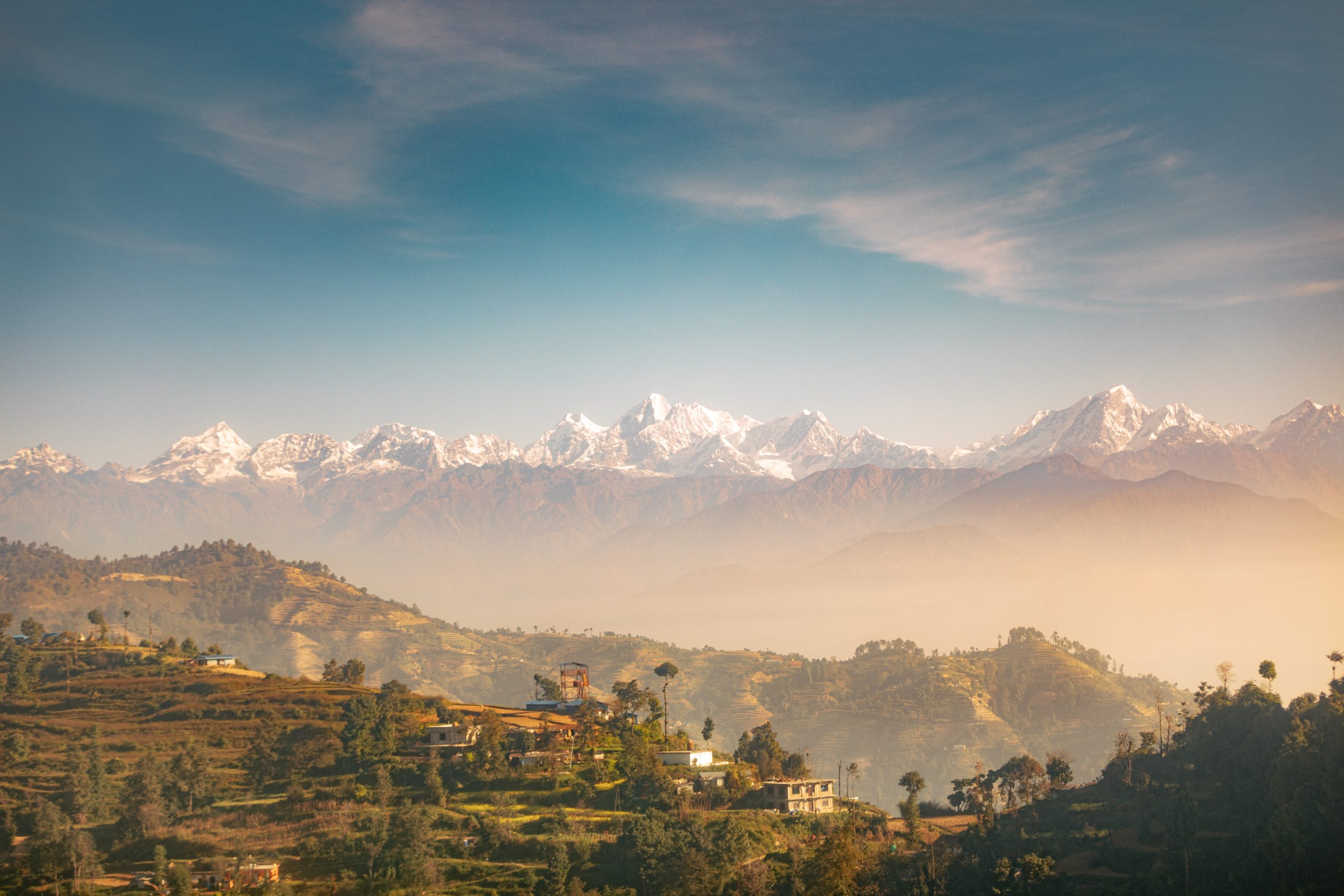
From adrenaline-elevating adventure sports to breathtaking scenic views of the mountains, Nepal is heaven for trekkers, mountaineers, and nature enthusiasts.
Spring and autumn are among the best seasons to travel, but winter and summer also bring some surprising things to offer the visitors.
Discover the Best Time to Visit Nepal: Embrace the Enchanting Himalayan Beauty
Nepal, a land of breathtaking landscapes, vibrant cultures, and the majestic Himalayas, beckons adventurous souls and seekers of tranquility alike. As you plan your journey to this enchanting country, it’s essential to consider the best time to visit Nepal to make the most of your experience.
So why wait? Stay with us as we dive into every detail about the best time to visit Nepal to experience the beautiful and natural wonders of Nepal.
Spring Season
The hillsides and valleys come alive with a burst of colors, creating a beautiful and vibrant landscape. The cherry blossom trees that line Kathmandu and Pokhara’s streets bloom in a pink-and-white riot.
While the weather is mild and sunny, making it the perfect time to trek in the mountains or explore the ancient temples and cultural sites. The rivers are crystal clear and perfect for white-water rafting, while the jungles of Chitwan National Park come alive with wildlife.
Spring is Nepal’s renewal season and the best time to experience the country’s vibrant culture and stunning natural beauty.
The season usually starts in March and lasts till May. The weather is warm, mild, and sunny, making it the perfect time for outdoor activities like trekking, hiking, and sightseeing.
The clear skies and warm weather make it an ideal time for trekking and hiking in the mountains.
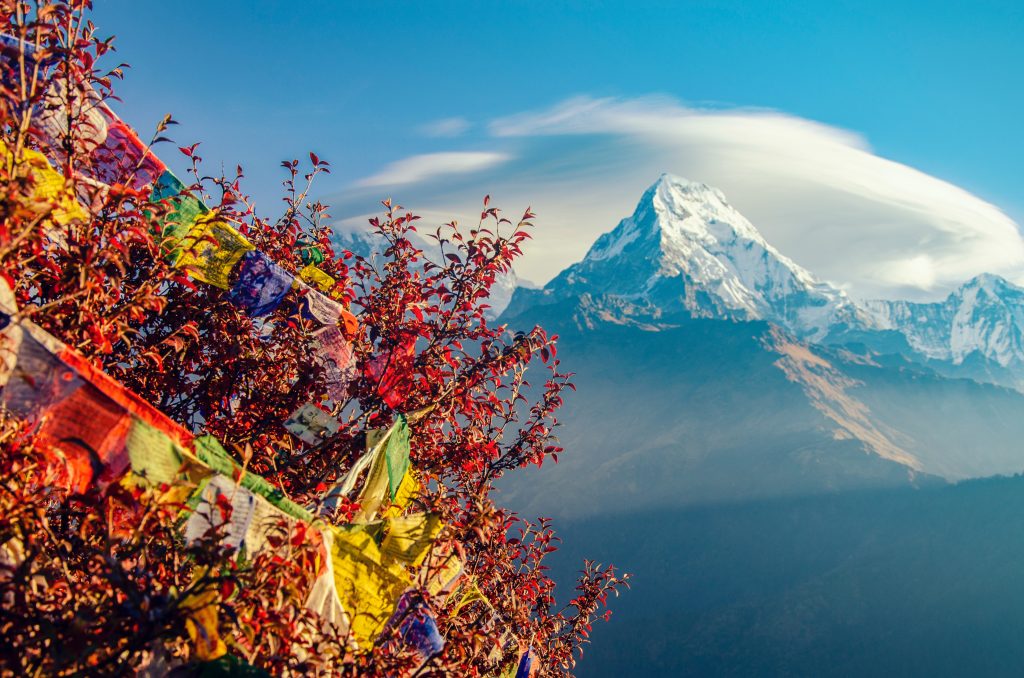
Besides, spring also marks several festivals and celebrations in Nepal, including Holi, the festival of colors, and Nepali New Year (Bisket Jatra), celebrated with great enthusiasm and joy. During these festivals, people gather to dance, sing, and enjoy traditional foods and drinks.
| Months | Temperature Range (Lowlands) | Temperature Range (Higher Elevations) |
| March | 15°C (59°F) – 25°C (77°F) | 6°C (43°F) – 16°C (61°F) |
| April | 18°C (64°F) – 30°C (86°F) | 9°C (48°F) – 19°C (66°F) |
| May | 22°C (72°F) – 30°C (86°F) | 12°C (54°F) – 21°C (70°F) |
Whether you’re looking to trek in the Himalayas, experience traditional festivals, or witness wildlife in their natural habitat, Nepal in spring will surely provide a memorable experience.
Autumn Season
Autumn, the post-monsoon season, is considered the second-best season to visit Nepal after spring. The season usually starts in September and lasts till November, characterized by mild temperatures, clear skies, and dry weather.
The weather is mild and stable in autumn, making it the ideal time for trekking, hiking, and outdoor activities. The days are usually sunny, with an average temperature range of 20-25°C, while the nights are excellent, with temperatures dropping to around 10°C.
| Months | Temperature Range (Lowlands) | Temperature Range (Higher Elevations) |
| September | 18°C (64°F) – 28°C (82°F) | -2°C (28°F) – 12°C (54°F) |
| October | 13°C (55°F) – 24°C (75°F) | -5°C (23°F) – 10°C (50°F) |
| November | 7°C (45°F) – 20°C (68°F) | -7°C (19°F) – 7°C (45°F) |
Autumn in Nepal is a season of festivals and celebrations, with the popular Dashain and Tihar festivals being held during this time. Trekking and hiking are also best done in this season, as the weather is dry and stable, and the views of the Himalayas are breathtaking.
Wildlife and nature are also at their best during autumn. Chitwan and Bardia National Parks are full of wildlife, including tigers, rhinos, and elephants, and many bird species migrating to Nepal, making it an excellent time for bird watching.
Summer Season
Summer in Nepal starts in June and lasts till August, and it is considered the low tourist season due to the hot and humid weather and frequent monsoon rains.
The humidity can make it feel much hotter, and the intense heat can be tiring for visitors who are not used to it. Additionally, the monsoon rains bring frequent thunderstorms and strong winds, making it challenging to engage in outdoor activities.
| Months | Temperature Range (Lowlands) | Temperature Range (Higher Elevations) |
| June | 25°C (77°F) – 30°C (86°F) | 10°C (50°F) – 20°C (68°F) |
| July | 25°C (77°F) – 30°C (86°F) | 11°C (52°F) – 21°C (70°F) |
| August | 25°C (77°F) – 30°C (86°F) | 11°C (52°F) – 21°C (70°F) |
Summer in Nepal is a season of festivals and lush greenery. Although trekking is not recommended due to the monsoon rains and the risk of landslides and floods, some regions, like Upper Mustang, remain dry and accessible. The Rato Machhindranath Jatra and Gai Jatra are the most popular festivals during this season.
Besides, Wildlife is more active and visible, and visitors can spot tigers, rhinos, and elephants in the accessible Chitwan and Bardia National Parks. Cultural tours are also a great way to explore Nepal’s heritage, as the mild weather and the monsoon rains bring a refreshing breeze.
Winter Season
Winter in Nepal lasts from December to February, the coldest season. The temperature drops significantly, especially at higher elevations, making it challenging for outdoor activities.
| Months | Temperature Range (Lowlands) | Temperature Range (Higher Elevations) |
| December | 7°C (45°F) – 20°C (68°F) | -5°C (23°F) – 10°C (50°F) |
| January | 7°C (45°F) – 19°C (66°F) | -6°C (21°F) – 9°C (48°F) |
| February | 8°C (46°F) – 21°C (70°F) | -4°C (25°F) – 10°C (50°F) |
Dry weather, clear blue skies, and cool temperatures characterize it. Winter in Nepal offers unique experiences like winter sports, festivals, and cultural tours. Trekking in higher elevations is challenging due to heavy snowfall and icy trails, but some popular routes can be attempted with proper gear and preparation.
Winter sports, including skiing, snowboarding, and snowshoeing, can be enjoyed in places such as Manang. Winter is also a season of festivals and celebrations, including New Year’s Day, Maghe Sankranti, and Shree Panchami. Visitors can explore Nepal’s rich cultural heritage by visiting historic temples, palaces, and museums in cities like Kathmandu, Bhaktapur, and Patan.
To wrap up, the best time to visit Nepal largely depends on your preferences and the experiences you seek. However, both autumn (September to November) and spring (March to May) are widely regarded as the prime seasons for visiting Nepal.