May 2023 - Dudhkunda Adventure Treks

Travel Tips and Regulation In Nepal; Alluring Beauty of the Himalayas

Now the era of a pandemic is coming to an end, and you might want to explore the Himalayan country even more. But there has been a variety of changes since the pandemic. So what might be the new rules for traveling during the pandemic? 

The pandemic has hit people hard, and they are eager to take vacations. And where to go better than Nepal, a nation on the lap of the Himalayas. From enjoying the mouthwatering cuisine and diverse culture to exploring the temples and hiking trails.

At the same time, you will also be taking part in dangerous sports. Now is the perfect time to gather a bag of adventurous and thrilling memories. In the post- covid, some minor changes to international travel rules have occurred. 
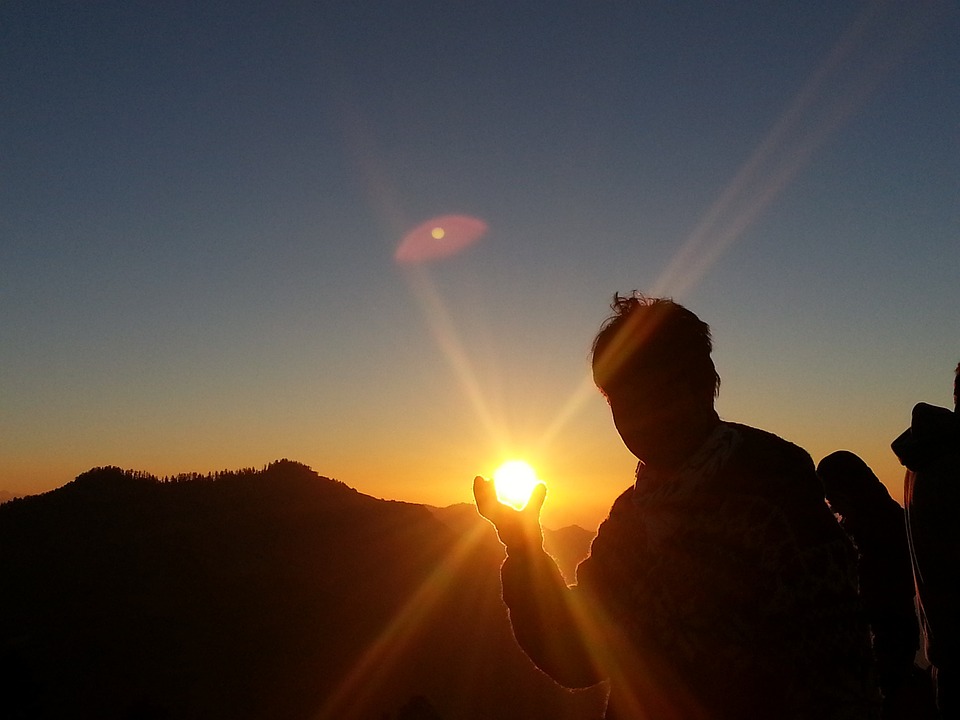
Travel tips

People looking for an exhilarating experience in the hills and mountains frequently visit Nepal. Why are you still waiting? Meet the friendliest people by exploring the valleys. Get ready to go on a short trip to the Himalayas while explaining all the travel tips required for your journey in the post-covid era. 

Nepal is the ideal place to explore after pre pandemic. 

The world is dealing with covid, and people have been trying to get back to their everyday lives. At the same time, many people are waiting to tick all the wishes on their bucket lists. So you might want to adventure and thrill activities off your list. Nepal might b the perfect place for it. 

Nepal is a small country in southeast Asia with a complete package for food lovers, adventure seekers, trekkers, and cultural explorers. I guess you are one of these people, so first, let’s get into food and culture. 

Nepal is a beautiful garden of minor and indigenous groups of people living in peace and harmony. These cultures have a significant background and offer various foods and festivals. During festivals, you will get to explore even more nutrition and cultures. So mark your journey during the time of festivals.

While you can explore the cultural heritages like durbar square, temples, and gompas, also taste the authentic cuisine available in the local space, from Newari to Thakali, the list goes on and on. You might want to try Dido to Bara. Remember that every Nepali food is not spicy. 

Do not worry about spice tolerance, and enjoy the food.  

Nepal is a breathtaking country between the Himalayas, from this region’s snow-capped mountains and pristine forests. This nation is home to warm, welcoming people and a rich cultural and historical heritage.

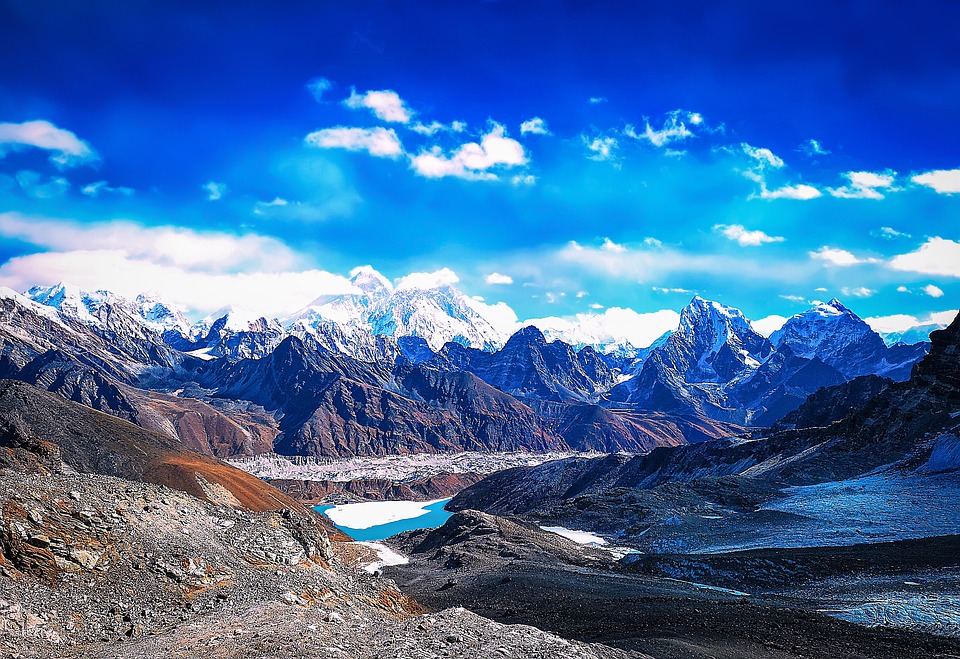
Having an adventure that includes viewing different beautiful scenery or seeing a stunning view of the mountains might be a unique thrill. The Everest base camp, Annapurna base camp, and other trekking spots are popular stopping points for trekkers and climbers.

In the meantime, you can also participate in adventurous sports like rafting, bungee jumping, and paragliding in Pokhara’s blue sky. Get ready to take the adventure next level and have fun. 

Mandatory Rules Of Travelling in the Lap of Himalayas Nepal

From February to May, many tourists visited Nepal, marking it the most visited destination. According to the Nagarik Network, 2,37,660 tourists have been seen as of the half month of 2022. While many explore the cultural heritages and temples, there is more to that. 

It might not come to you as a surprise that adventure seekers find Nepal as a land of heaven. Being a frequent traveler to Nepal, you might know the rules and regulations. But if you are a newbie, let us get to know some of the mandatory regulations for traveling toward the destination. 

  1. Ensure you get all required permissions and check the documents before leaving for the trip. 
  2. Only wear things which are heavy and expensive cause you might have to face chaos during your trip. 
  3. Always make sure to pack the necessary and lightly. You might not want a burden during your hike. 
  4. Never harm any wildlife during your trip. 
  5. Connect with people around you and get tips to enjoy better local cuisine and culture. 

These are some of the basic rules of traveling but make sure to grab everything you need and research properly before starting your trip. 

Likewise, everyone must be aware that when we travel to various locations, while being creative and taking chances. Maximizing their time may involve exploring new places and creating many memories. 

Everyone must know the locations while exploring the paces and making the best memories of a lifetime. You might need more time to process numerous regulations when traveling. Memorizing these rules might help you out in the journey. 

Pack only necessary things like first aid, water purifier, and others. Unnecessary packing can add unwanted weight, which will affect your journey. You will also waste energy carrying the loaded bag rather than enjoying the trip. 

Likewise, get a medical exam before you travel as you will be getting to know much about your health, which will be beneficiary. 

You might have to get a covid test, but it’s not mandatory nowadays. However, getting a supply of masks and hand sanitizer is necessary. Also, inform people if you have any allergy condition so that you can deal with it. 

Besides the paperwork, be aware of the permit mandatory for the trip. You can get it from the official website of the nepal tourism board. You can choose us as your partner for the journey, and we will take care of everything. 

After Covid Regulations and Restrictions on traveling 

You can say that corvid-19 has dramatically changed many people’s lives. The period of isolation is over, and people are returning to their everyday lives. You might also want to get up and complete the journey you have discussed for a while. 

Each country has enacted some mandatory restrictions to ensure the traveler’s safety. The visa on arrival remains the same. Besides, there are some changes in the health guidelines. 

You must get a vaccination card showing the complete covid-19 vaccination dose within 14 days before entering Nepal. Do not worry; the amount should be total even if you get the vaccine before 14 days. 

If you still need to complete your dose, you must get a covid-19 test. The result should be negative within 72 hours of boarding from the first airport or if you are entering through the land border within 72 hours of joining. It might be optional for children under five years.

During the pre covid era staying in isolation for 14 days was mandatory. However, it is not the case right now. Since the vaccination has become more vital, you can enjoy the trip effectively and be safe. 

Conclusion

Nepal has ranked as the top destination to visit. Many people might wonder what are the safety rules hereafter covid. But you can assume that traveling has been even more fun and more accessible. Make sure to have fun, and travel I hope you like the blog. Thank you for your time.  
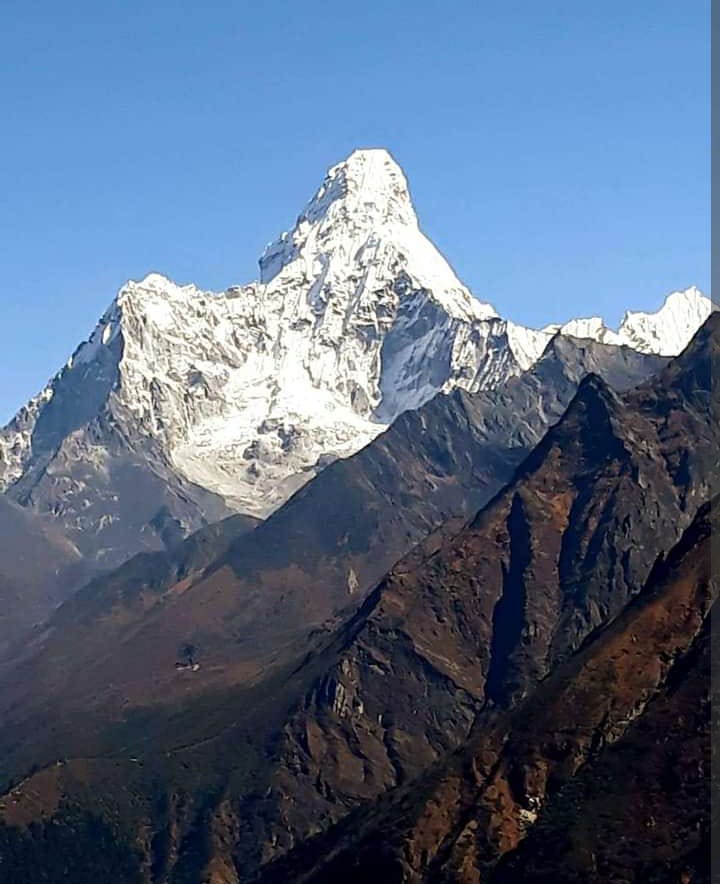
Ama Dablam Trekking: A Spectacular Adventure in the Himalayas

Ama Dablam is a breathtaking paradise in Nepal’s Eastern Himalayan region. The Ama Dablam trekking is one of Nepal’s most popular itineraries. Ama Dablam, which means “Mother’s Necklace,” offers one of the most beautiful views of Mount Everest and other smaller peaks.

The Dablam, a traditional double pendant with images of the gods worn by the Sherpa people, is represented by the long ridges on either side and the hanging glacier.

The Ama Dablam base camp trek visits the heart of Sherpa country and sees how it lives. The Everest Base Camp route is walked for a few days, after which Thyangboche bends toward the east.

Along with the magnificent trekking route and panoramic views of mountains, experiencing Sherpa culture and tradition is an unforgettable experience. The villages of Khumjung and Khunde visited the Sherpa monastery and local hospitals. So stick with me since I will take you on a quick trip along the Ama Dablam trail.

Ama Dablam Trekking Route And Its Expectation 

To be a trekker and mountaineer, you’ll be eager to explore the beast and heaven. The initial stage of this trip is Namche Bazar. An easy morning walks to the highest hotel in the world, Everest View Hotel, which will also serve as a resting place for acclimatization. The hotel’s terrace offers a breathtaking view of Everest, Lhotse, and the entire Khumbu Valley.

How can we overlook the Sherpa museum, which will give you a deeper understanding of their culture and customs? The additional charm of this journey is the lovely flora and fauna that may be seen in Mount Everest’s Sagarmatha National Park.

Ama Dablam Trek

Take you to Thyanhboche monastery, which will transport you and your body towards serenity as Buddhist monks sing prayers. Just after Thyangboche, you will leave the well-trodden path and enter the valley of grasslands of Ama Dablam base camp.

If you go hiking in the Himalayas, you should leave everything behind and enjoy nature. You’ll be transported to heaven on earth when you do this. At the bottom of Ama Dablam, you may get a better look at the pyramid form of this magnificent peak. The mountain is difficult to climb and is made by experienced people.

After the Ama Dablam region, you will be taken to another monastery in Pangboche. This is a typical Gompa in the Khumbu region and a holy site. The Sherpa village has a better perspective of the Khumbu Valley. You’ll understand why the community is known as greenery after you walk into Khumjung.

Every home in this village has a green-colored roof. Another monastic foundation is also located in this beautiful hamlet. Edmund – Hillary School, the Himalayan Trust of New Zealand sponsors, is well worth a short visit. The trust was founded by Sir Edmund Hillary, who was the first summit of Mount Everest.

How Difficult is The Ama Dablam Trekking? 

Ama Dablam is one of the visited trekking trails which comes along the path of Everest Base Camp. The trekkers and mountaineers have Everest base camp on their bucket list. Even the beginners have set a margin for visiting the Ama Dablam Base camp; however, this is a slightly difficult trail. 

Even beginners have climbed the trail leading through the Himalayan region’s most beautiful and heavenly places. It takes an average of eleven to twelve days for the expedition of trekking routes of Ama Dablam. Experienced trekkers will not face many problems regarding the trail, but beginners must focus slightly on practice and exercise before participating. 

Exploring the scenic view of various peaks along with Mount Everest and enjoying all the friendly and local culture and cuisine will make every effort worth it. Make sure to train hard so that the trekking trail will not be harsh on you. 

Best Season To Visit the Ama Dablam Trekking  

Nepal enjoys various seasons throughout the year. The chiseled sculpture that has drawn the attention of trekkers and climbers on their ascent to Ama Dablam for decades is admired by them. Many have vowed to return and climb it. But the Himalayas have always been suspicious regarding the weather and conditions.

Ama Dablam is a beautiful and difficult mountain, and those who have trekked to the Everest base camp trail have dreamed of going on this fantastic journey. The winter months of November through January will be extremely tough to travel through this route. Slippery trails and severe weather can create significant health hazards. As a result, I will not suggest hiking this path during the winter.

The best time for trekking is between March and May when the weather is pleasant. Because there are no climatic limitations, you may go sightseeing in all the wonderful valleys and stunning vistas without regard to the season. The sidewalks and pathways are not slippery, making your walk much more pleasant.

September to November is the best time to visit because it’s warm, there’s less risk of snow, making your trip more memorable, and the weather is nice.

The optimum months to go on the Ama Dablam trekking trip are April and September, when the weather is most constant. This is when the weather is most stable, giving you the best chance of seeing Mount Everest from afar. Even in the summer, conditions can change rapidly in the mountains, so be ready for anything.

Final Words 

The Ama Dablam trek is one of Nepal’s most popular excursions, and for a good reason. The route travels through some of the most beautiful Himalayas, with towering mountains and glacial fields ever-present. If you’re seeking a thrilling experience, the Ama Dablam trekking route is the place to go.

The Ama Dablam trek is difficult, but it’s also highly gratifying. To finish the journey, you’ll need to be in excellent physical condition because there are significant climbs along the route. The trek to the top of Ama Dablam is fairly short, but it will be well worth your time.

The Ama Dablam trek is a fantastic alternative for an unforgettable trekking trip in Nepal. Just be sure to bring enough supplies, and you’ll have a journey that will last a lifetime.

Langtang Trek; The Marvelous Trip to the Upper Valley of Langtang

Nepal is a paradise for trekkers with the world’s most beautiful places.  Trekkers find Annapurna and Everest base camps quite adventurous trekking spots. At the same time, Langtang Trek is also the third most visited trekking spot in Nepal.

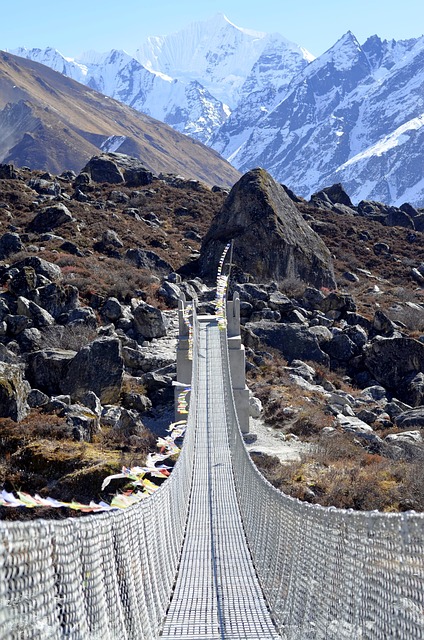
Langtang Trek is a spectacular valley Inhabitat in the Himalayas—the heavenly view of white-capped mountains and fertile valleys and hills. At the same time, we are enjoying the culture and heritage of the Tamang people, who are also quite friendly.

How Long is the Langtang Trek? Alluring Your Adrenaline

The Langtang walking trail is a glacial environment covered with ice caps and glaciers near Kathmandu Valley. The establishment of Langtang National Park in 1976 has attracted all trekkers and nature explorers to explore.

Most people start the trail from the Dhunche, and the journey might take about four to five days. The Langtang Valley trek is a full-day hike further up the valley while spending a couple of days extra in the upper valley. While ascending Tsergo Ri and exploring a magnificent view of the white wilderness of the peak.   

In the meantime, starting your trip from the Syabrubesi ( Tibetan resettlement area) might help you cut a day off.  This is around a ten-hour ride from Kathmandu Valley. The valley from Syabrubesi to Kyanjin has a rich biological and cultural diversity that attracts many people. In the meantime, following the route and reaching Rimche is the favored route for the Langtang trek.

Two important valleys are present: Langtang (3300m), a bigger one, and a cozy place to spend one extra night and acclimatize. At the same time, Kyanjin (3750 m) exaggerates the small gompa, a cheese factory, and attractive lodges which might fill up during high seasons.

Langtang trek

The road rises from the Kathmandu Valley to the northeast while enjoying the stunning views of fertile hills. While we also observed the view of Ganesh Himal, Himal Chuli, and Annapurna region. While hearing the magical symphony of cicadas in the din of the bus will add more pleasure to your journey.

You are further, starting from the north of Trishuli and climbing the valley bottom while observing the views of Langtang range, Paldor Peak, and the incredible gorge. Will the natural beauty of this valley add much more memory to your luggage?

Upper Langtang Valley; Blissful Exploration of Langtang Trek

Langtang Valley has a lot to offer to make your trip magical. Kyanjin Gompa (3900m) is an excellent base for exploring the heavenly upper reaches of this valley. Meanwhile, the gompa added the completion of a newer building opposite the gompa.

The factory has been transporting cheese to Kathmandu from over the Ganja La. You might be quite fascinated by the technology from May to October. There is around 5000 to 7000 kg of cheeses to manufacture from nak (female yak) and Chaumri (crossbreed yak).

Musk deer can be seen in the forest to the south or even in the settlement area. In contrast, you can hire a Tibetan horse for sightseeing which can also be a fantastic experience. It can take your journey further up, taking across the Ganja La.

Short Trip from Kyanjin Gompa

It might be one of the destinations on a half-day hike from Kyanjin Gompa, which lies east of the Gompa below the lama quarters. The trail passes by the white chortens while heading north towards the western flank of Kyanjin Ri. After 20 minutes of passing through white chorten, dividing the track into an extensive rockslide.

Within the next 30 minutes, the upper path will cross the rockslide region. While continuing up, the pass to the south of the stream eventually reaches the Lado pasture area. Following the trail north to the glacier and climb the east of the glacier for the best views in around 20 minutes.

While heading northeast from Kyanjin, Gomba will lead you to the frozen lake. You can observe the human settlement area along with the stream. Crossing the wooden bridge over the stream heading west to the upper part will take you to the lake—the Lirung and Kimshung tower above the lake after 40 minutes of the hike.

Short Trip To Kyanjun Ri Along with Tsergo Ri viewpoint

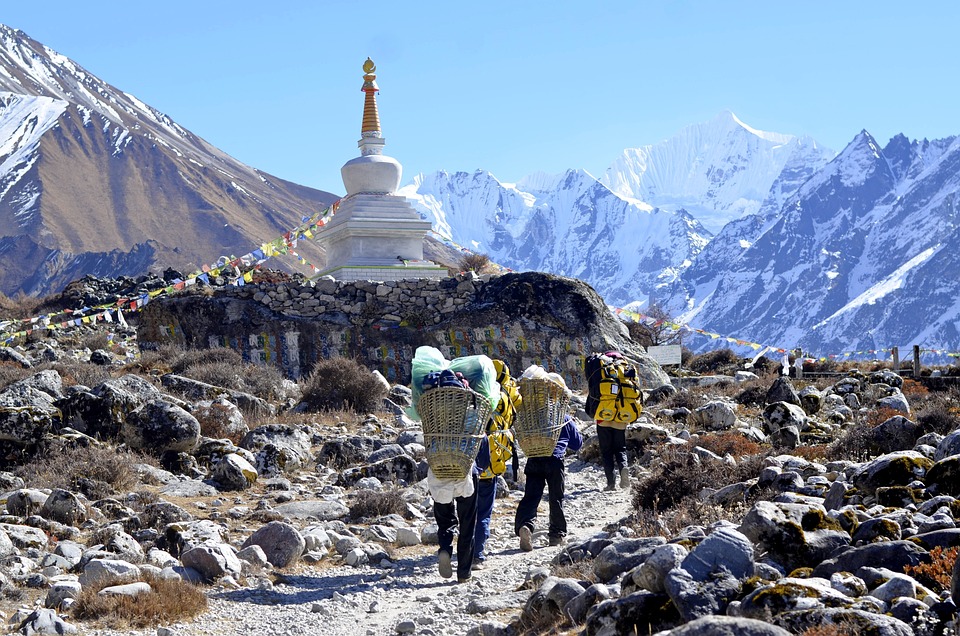
Further taking a one-hour climb to the north lies the relatively small hill called Kyanjin Ri, lying behind the Kyanjin Gompa. This trail also leads to the cheese factory behind the government building while climbing through the stones and the zigzag path before reaching the Kyanjin Ri, popular as Brana Chumbo draped with a prayer flag. 

A path higher than Kyanjin Ri will take you to Menchamsu, a higher point to view all the prayer flags, which might be a steep drop-off due to erosion.

The trail to the Tsergo viewpoint can is observed from the lodges of Kyanjin Gomba as its zigzags toward the northeast after reaching the trailhead east, which leads you out of town through the grassland over rough terrain within 20 minutes.

The trail ultimately branches leading further around the mountains to Digyabsa Kharka and Yala Kharka, reaching the seasonal huts of Dacha Pesa. Or passing the places in about two-three hours and taking the route along Yala Kharka will take you to Tsergo Ri viewpoint, which lies north in direction.

Langsisa Kharka

Another option for your trip is to head up the valley to Langsisa Kharka, next to the summer pasturing settlement. 

While this is a long hike up the valley, Langsisa Glacier can be observed from afar, and a closer look may take about an hour. Reaching Langsisa and returning to Kyanjin can be pretty adventurous, while food and headlamps are required.

Heading east from Kyanjin Gomba for about an hour, reaching north to the bank of Langtang River, and Continuing upstream after 45 minutes, will bring you to the human settlement area Chadung. After one hour, you will reach Numthang, where cheese is produced.

Meanwhile, heading towards the glacier while crossing it and climbing 4132m, you will reach the huts of Langsisa Kharka and other scenery can be observed.

Ahead lies the border of Langtang Valley and Tibet, which is also a hard climb day. At the south lies the Ganchenpo Peak and the Helambu region up this valley.

Fun Fact about Langsisa Kharka

There is a big red rock in the Langsisa Kharka. According to the legend, the color is red because a holy man living outside the valley once lost his yak and tracked it in that place. The yak died here (Langsisa means a place where the yak (lang) died). While the lama wanted to hide skinned it and spread the skin in the rock to dry.

The skin got stuck to the rock and remains to this day. It is the legend of Langtang Valley, where tang means follow hence naming Langtang. Before, this place was considered hidden, while it is considered sacred. No animals are slaughtered here, and meat is not found in this area.

Best Season to visit Langtang Trek

This trekking route is a fantastic exploration of tradition and culture, with a magnificent view of beautiful white peaks, gompas, stone-built huts, and many more. Langtang Valley route is not a busy trail until its peak season while meeting the friendliest local people.

Four seasons are Spring, Autumn, Summer, and winter, with different temperature conditions.

This valley lies between the alpine and sub-alpine zones with adjustable weather conditions. The abundant forests of oaks, rhododendrons, and mixed vegetation come into life during these seasons. Along with the refreshing view of the Himalayas and fertile hills under the blue sky is the beautiful scenery offered in these seasons.

In the meantime, the best side view of this trekking trail is during the spring and autumn season. The off-season might add some challenges to this trek.

The Autumn season (September, October, and November) is quite the best time to visit Langtang Valley. The blue sky, adjustable weather conditions, and magnificent views are observed during this season.  The temperature is warm during the day and slightly cold at night, with an incredible feeling.

Spring season (March, April, and May ) is also one of the best seasons to visit the Langtang Valley trek. While you might experience a slow range of snow in the early months of March, in April, days are warm with pleasant weather. May might be the hottest with suitable climatic conditions perfect for your journey. While sometimes, you might encounter early monsoon.

Due to climatic conditions, there might be better times to visit than the summer and winter seasons. No matter which season, you can see the Langtang Valley to explore its natural beauty.

Conclusion

While many places to explore in the valley make your trip much more adventurous, from well-equipped trekking gear to fitness, you must be well-prepared before your trip. Make sure to enjoy and explore every place you can during the journey.

High Altitude Sickness: Is it Dangerous?

Every trekker and mountaineer may have experienced altitude sickness. The dream of exploring the highlands and hills is beautiful, but complications may arise. However, while exploring the beast is difficult, every climber and trekker is a natural warrior.

Nepal has challenging trekking trails and ten of the world’s highest mountains. Every mountaineer wishes to speed up the difficult courses once in a lifetime. 

All of the trails and itineraries are above 3000 meters in elevation. In the meantime, it is no surprise that the oxygen level decreases as height increases. 

The extreme climate circumstances and topographical challenges may cause you to develop a variety of medical ailments. Buckle up to know more about high altitude sickness.  

What is Altitude Sickness? Let us get to the details.  

Climbing to a high altitude and exploring all the natural sites could be exciting. Yes, but only until you are depleted of oxygen. So far, so exciting, but we must proceed cautiously and carefully mark each path.

Getting more oxygen above 8000 feet than at sea level differs from what you expect. As one’s height increases, the oxygen level decreases. Physical factors do not affect your body’s ability to experience altitude sickness.

Altitude sickness is caused by a lack of oxygen in our bodies. Acute Mountain Sickness (AMS) is not treated; it can become a medical emergency.

altitude sickness

The body tries to adapt to lower amounts of oxygen by increasing breathing depth. But people nowadays acclimate according to their situation, making it much easier for their pathway towards the peak.

Causes of Altitude Sickness

Hypoxia, high altitude pulmonary edema (HAPE), high altitude cerebral edema (HACE), and other neurological disorders that can result in death are all symptoms of high altitude sickness, a medical condition.

You might be a little perplexed by this phrase. Altitude sickness is a lack of oxygen in the body’s tissues due to the surrounding area’s thinner air density. Reducing air pressure brings on high-altitude hypoxia and poses a risk to the brain.

The relative density of air is directly related to altitude, which is the height above sea level. The air density decreases as the size rises.

Three categories of length exist: high (8000–12000 feet), very high (12000–18000 feet), and extreme (> 18000 feet).

The majority of hills and mountains are very tall and rugged. A physiological risk when staying at a high altitude is high altitude sickness. It is related to the increased RBCs and hemoglobin that balance out the low oxygen.

According to high-altitude pulmonary edema, mortality rate, when treated, can be as high as 11% and as high as 50% when untreated. The Everest region has the highest mortality rate, and the number of climbers drives that rate.

Most people need clarification about how much oxygen is available at high altitudes. Despite a decrease in oxygen partial pressure, oxygen availability is constant. In the end, this causes tissue oxygen levels to drop. However, you might wonder what we can do to learn its signs and causes. Find out all the symptoms and avoid ignoring the condition.

Symptoms of High Altitude Sickness 

HMS is a problem that many travelers encounter. Both acute mountain sickness and HACE share pathological processes like increasing cerebral blood volume and the early onset of osmotic gradient-dependent intracellular edema. Among the typical signs of altitude sickness are;

  1. Lack of appetite 
  2. Nausea 
  3. Vomiting 
  4. Insomnia 
  5. Dizziness 
  6. Shortness of breath 
  7. Swelling of hands and legs 

These are a few typical symptoms that any average person may be familiar with. But you might need assistance from medical professionals to receive a complete medical diagnosis. Lung fluid accumulation and brain swelling may be signs of things worsening.

Fluid in the lungs is shown by;

  1. Persistent cough with pinkish septum 
  2. Fever

Brain Swelling is shown by; 

  1. A persistent headache without any effects from painkillers
  2. Numbness
  3.  Dizziness
  4. Unsteady clumsiness
  5. Increased vomiting 
  6. Change in consciousness 

Keep an eye on these symptoms and get medical assistance in case of seriousness. 

So what can be done to avoid altitude sickness? 

You are well known for the symptoms of altitude sickness, but what can be done to deal with it? Let us find out. 

Acclimatization

The process by which our body increases the number of RBCs or amplifies particular receptors to compensate for the low partial pressure of oxygen is known as “acclimatization.”

A finger pulse oximeter monitors the physiological effects of high altitude when traveling. The acclimatization process lessens the body’s adverse effects of low oxygen levels, enhancing circulation. When individuals traveled above 3000 meters for various purposes, high-altitude physiology was not widely understood.

These symptoms may worsen, and, in rare instances, life-threatening situations may arise when people who have not acclimated to high altitudes start engaging in adventurous activities. Some visitors could develop pulmonary or cerebral edema. The passengers quickly descend to sea level in this case. Rapid ascent to a high altitude while experiencing poor fitness and health; they resume normal function once they descend to sea level.

Acclimatization reduces the risk of contracting HACE, AMS, or HAPE while assisting travelers in quickly acclimatizing to the demanding conditions at high latitudes. The individual’s physiology and immunity affect how well the acclimatization progresses after 5500 meters.

Slow stepping and staging are the most common tactical maneuvers for preventing high-altitude sickness and fostering rapid acclimatization. 

Besides, It is true that “slow and steady wins the race.” It is frequently advised to high-altitude visitors to avoid descending 500 meters daily after reaching 1000 meters. So make sure to walk safely and steadily.

Getting Medical Help 

These signs and symptoms persist as the illness steadily deteriorates. However, anyone experiencing even a tiny symptom should inform those dealing with these conditions. Resting, drinking plenty of fluids, and avoiding anything that might lower blood oxygen levels, like oxygen, can all help to prevent severe symptoms.

Let us get to know some medicine that is useful for our treatment. 

Tylenol and other pain relievers can be used to treat headaches. Anti-inflammatory medication ibuprofen is also beneficial.

A steroid hormone called dexamethasone reduces inflammation and immune response. It can lessen other complications and acute altitude sickness. 

Doctors frequently suggest the calcium channel blocker nifedipine to patients with high blood pressure. It works well to treat lung fluid accumulation.

Acetazolamide is a well-known medication that increases breathing rate and corrects the chemical imbalance in the blood brought on by altitude sickness. Despite some side effects, this medication is beneficial in severe conditions.

Conclusion 

High-altitude sickness and the number of climbers in various mountainous areas have increased. Therefore, all hikers and tourists are impacted by this problem. But now that everyone is driving carefully, the solution is always on the list.

Nepal is home to over eight of the world’s tallest mountains and hills, all at very high altitudes. Each hiker should become familiar with these symptoms and seek medical help as necessary.

High altitude sickness could occur in someone not accustomed to living at high altitudes. Therefore, always consider all of these issues. Stay hydrated, exercise, and build up your immune system. 

Available Services