Gokyo Trek: Everything You Need to Know Before You Go.
package image
Duration: 14 Days/13 Nights

Gokyo Trek

Overview

Gokyo Trek: Journey to Nepal’s Sacred Lakes & Longest Glacier

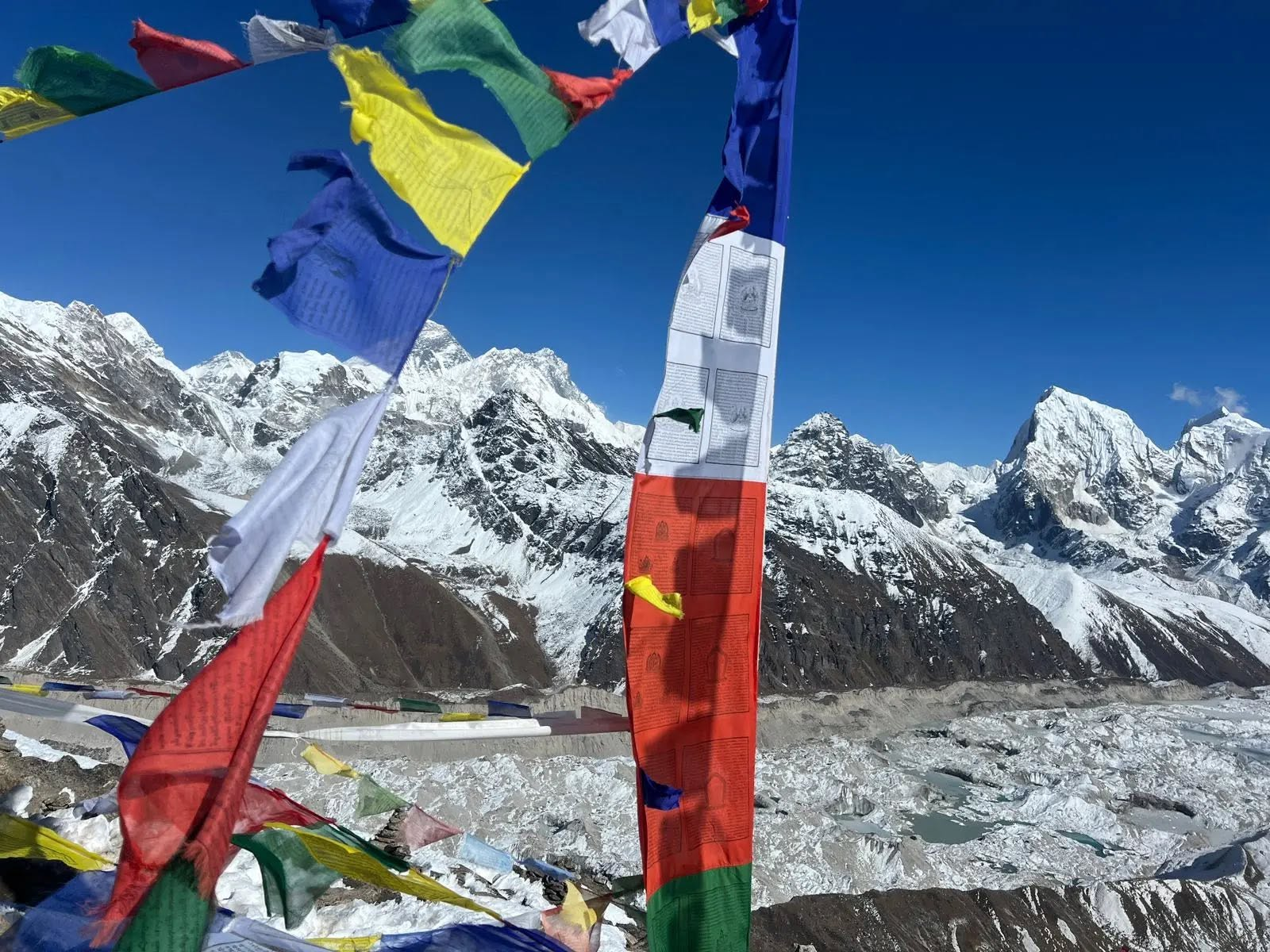
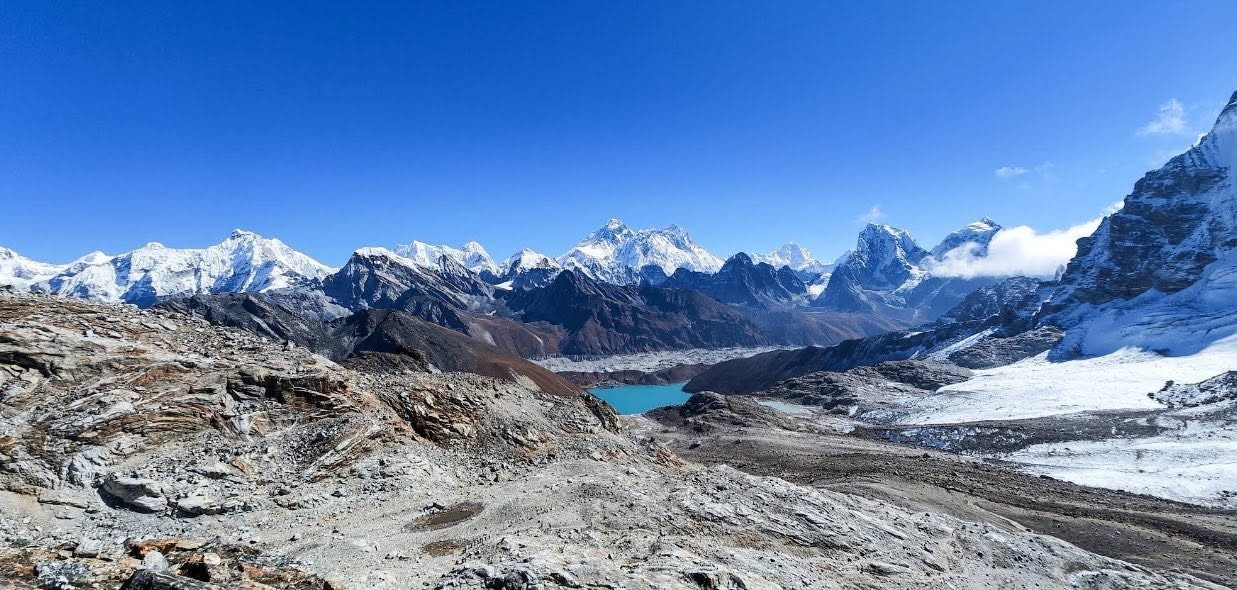
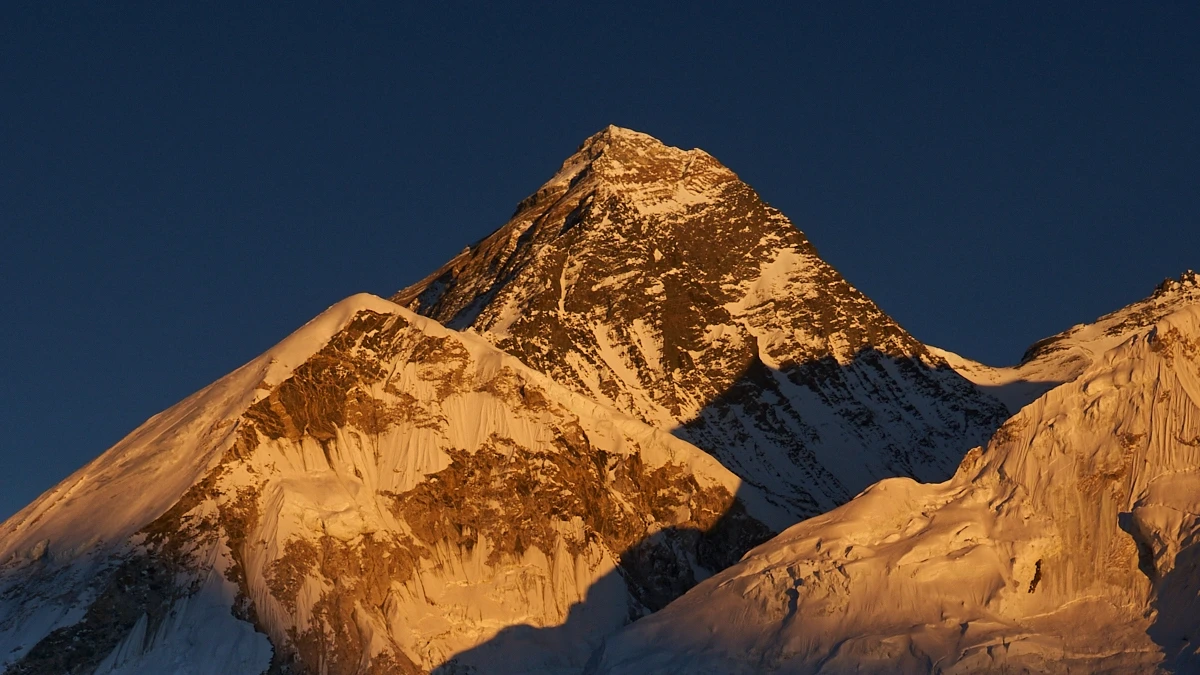
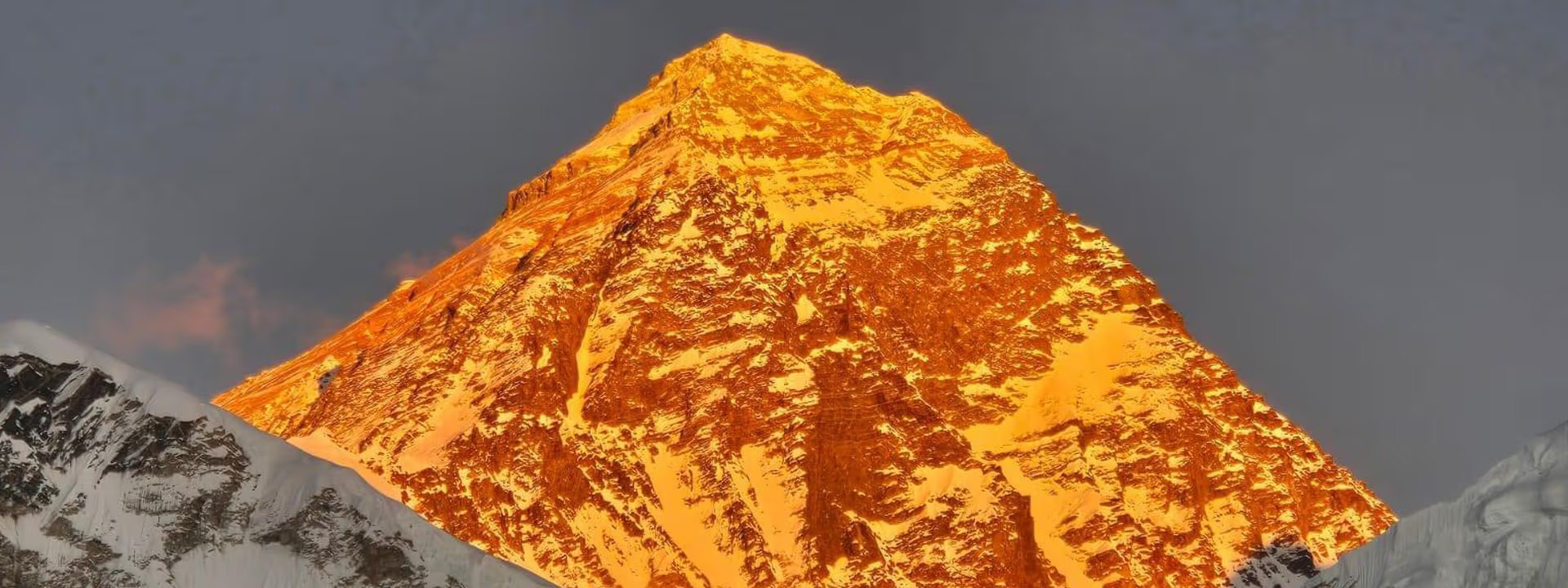
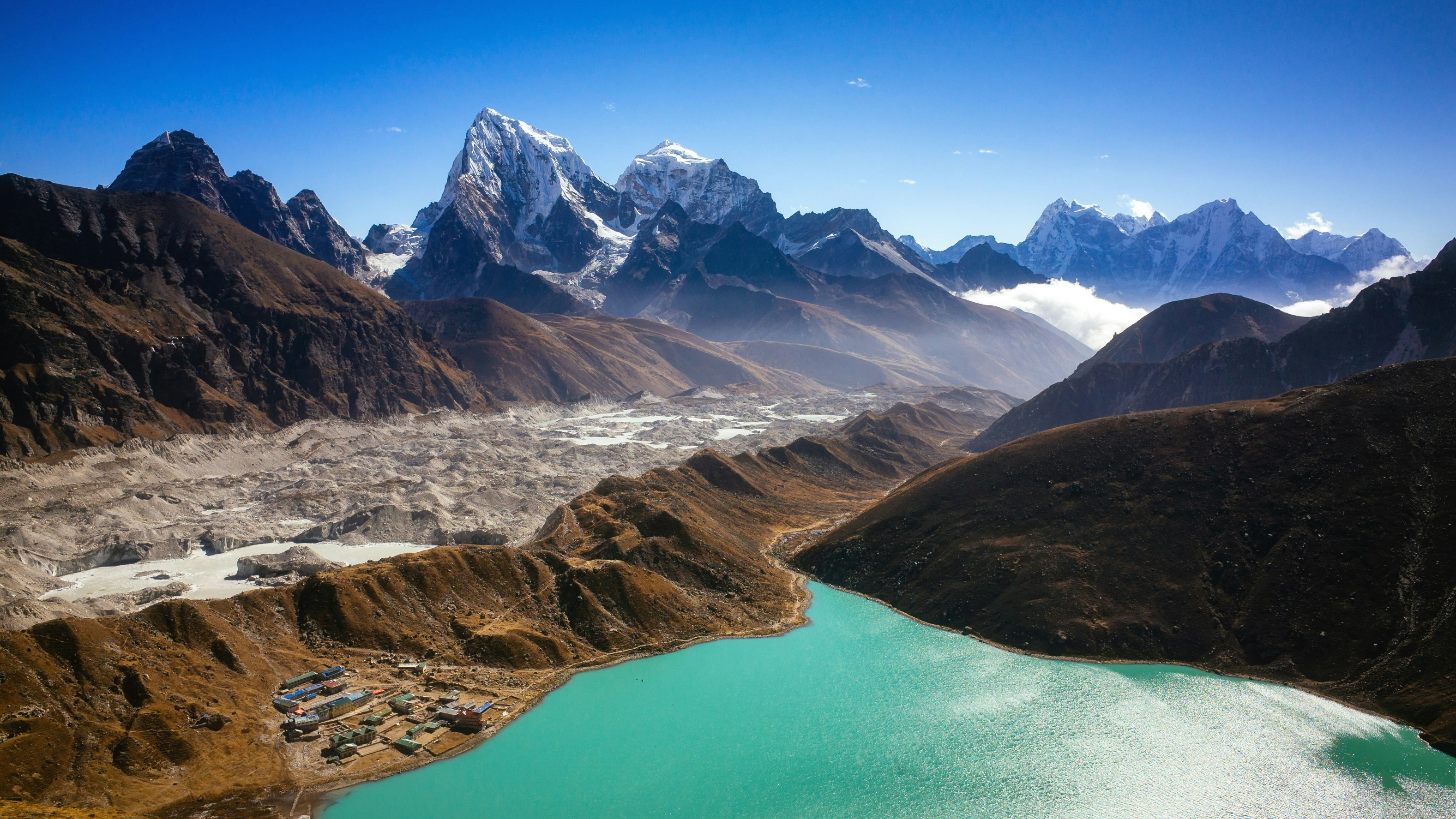
Imagine standing at 5,357 m as the Himalayan dawn breaks and watching the sun ignite the summits of Everest, Lhotse, Makalu, and Cho Oyu all at once. No crowds. No noise. Just the silence of the high mountains and the distant crackle of the Ngozumpa Glacier far below.

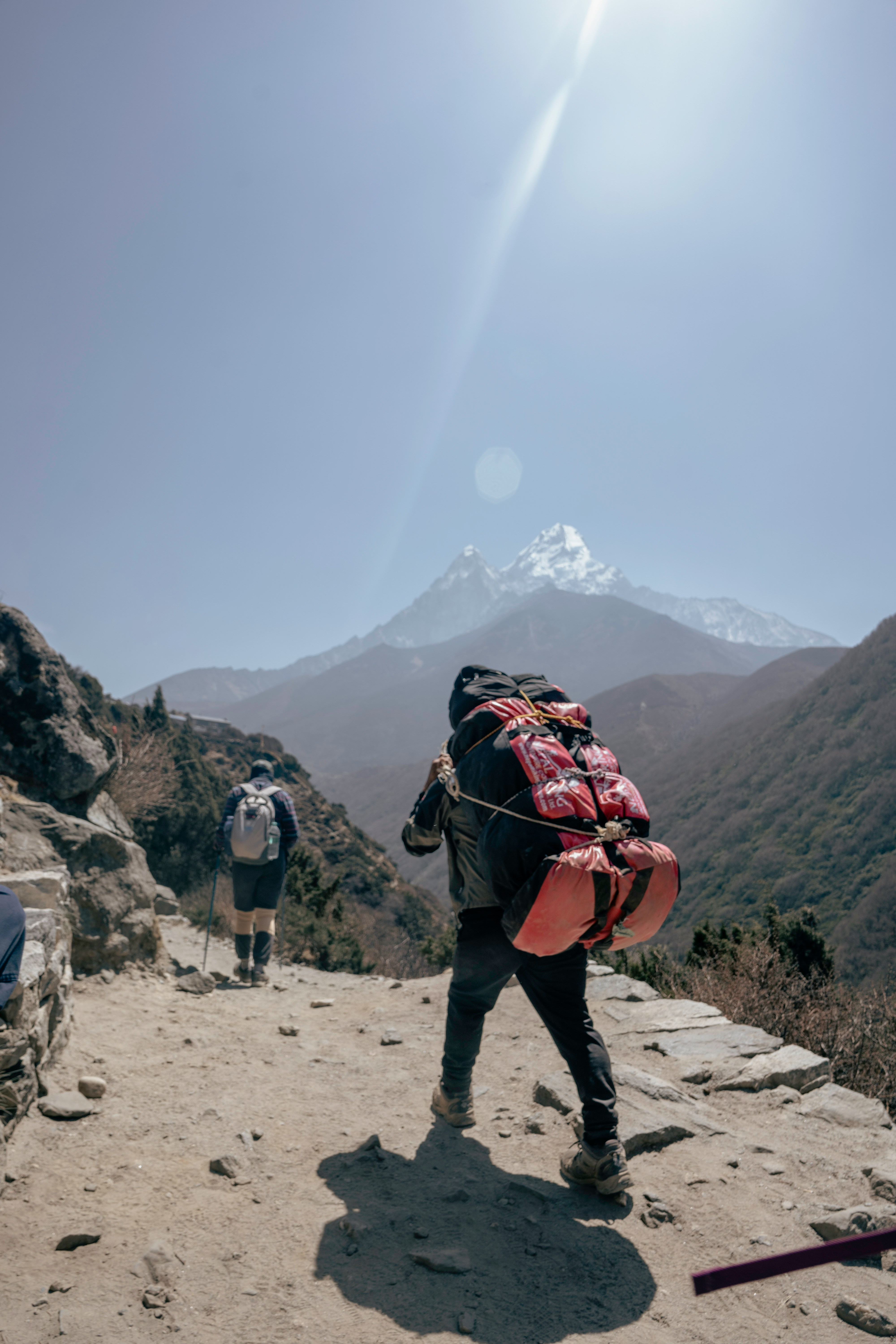
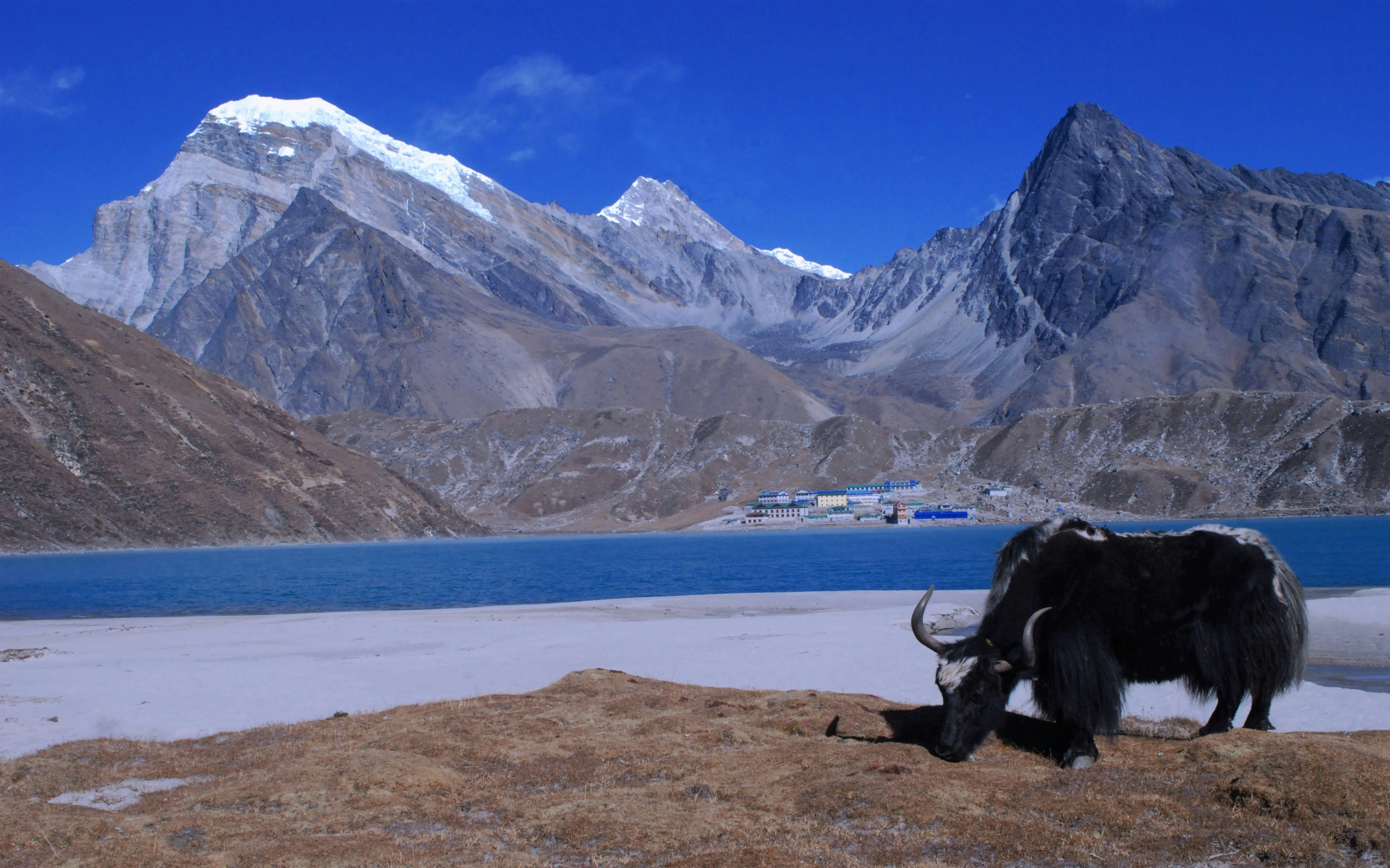
This is what awaits you on the Gokyo Lakes Trek — Nepal’s most breathtaking and least crowded high-altitude adventure. Unlike the busy Everest Base Camp trail, the Gokyo Valley offers pristine wilderness, six sacred turquoise glacial lakes, and a summit view from Gokyo Ri that many seasoned trekkers call the finest in the entire Himalayas.

Wander through timeless Sherpa villages, walk beside the longest glacier in the Himalayas, and discover the world’s highest freshwater lake system. all in one extraordinary 12-day journey through the Khumbu region of Nepal. The Gokyo Lakes Trek 2026 is not just a trek. It is the adventure of a lifetime.

Trip Overview

  • Trip Duration

    14 Days/13 Nights

  • Trip Difficulty

    Moderate to Challenging

  • Activities

    Trekking, Hiking, Cultural Exploration

  • Best Months

    March- May/ Sep- Dec

  • Trip Start & End

    Kathmandu - Lukla

  • Meals

    B/L/D

  • Accomodation

    Tea House

  • Per Day Walk

    5-6hrs

  • Permits

    Pasang Lhamu Rural Municipality/ Sagarmatha National Park

Highlights

  • Visit the stunning Gokyo Lakes, among the world’s highest freshwater lake systems.
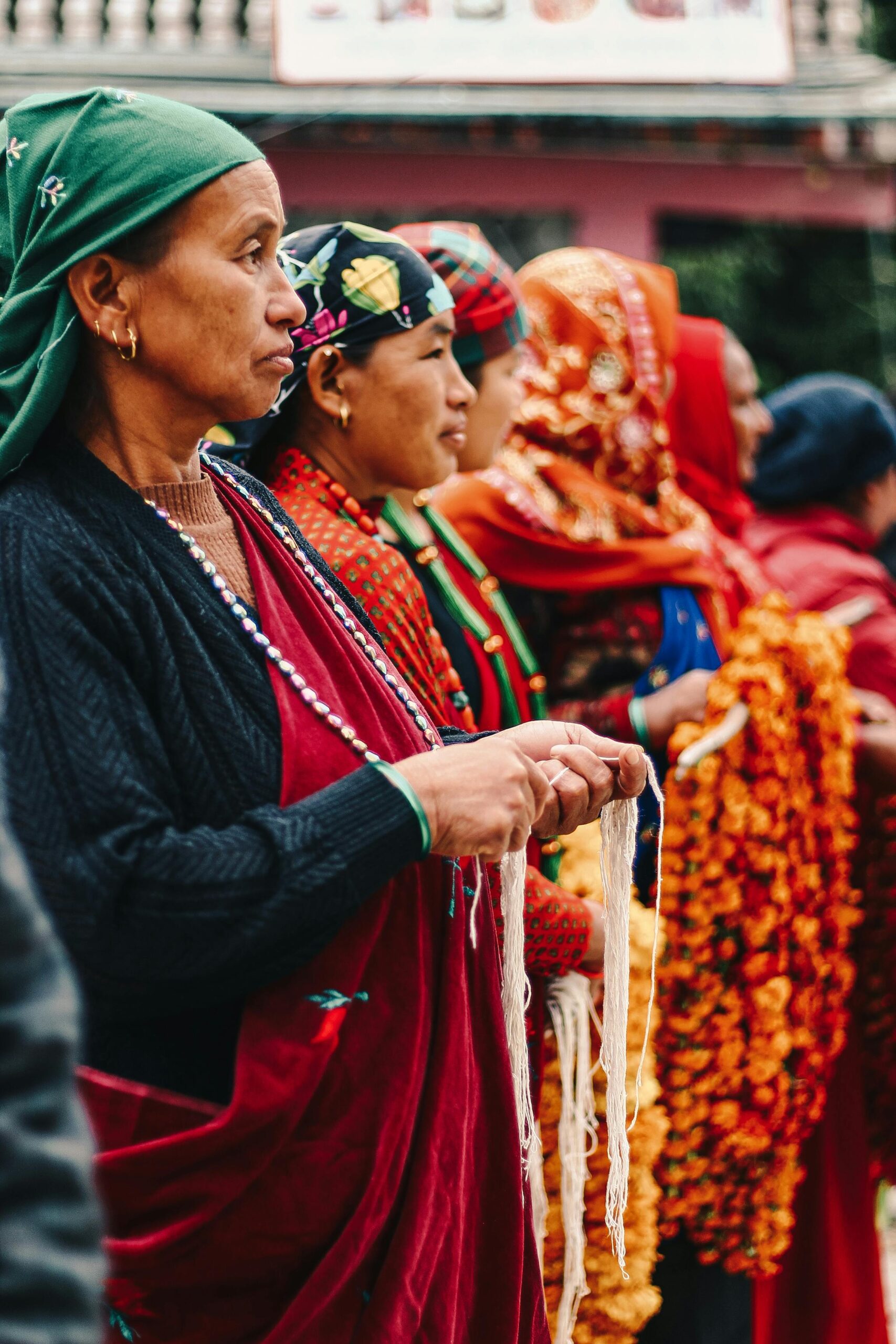
  • Experience the traditional Sherpa culture and lifestyle in the historic village of Khumjung.
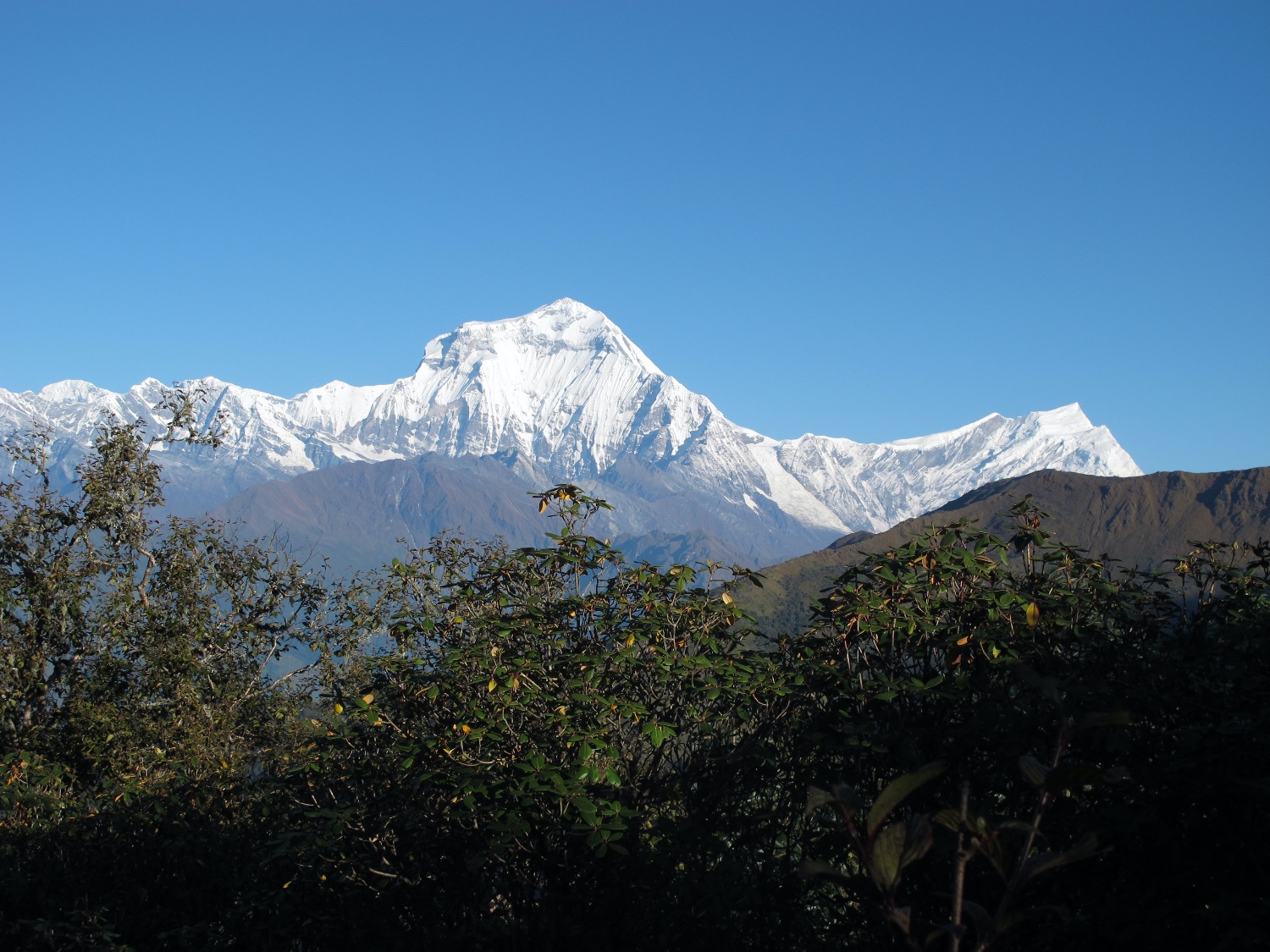
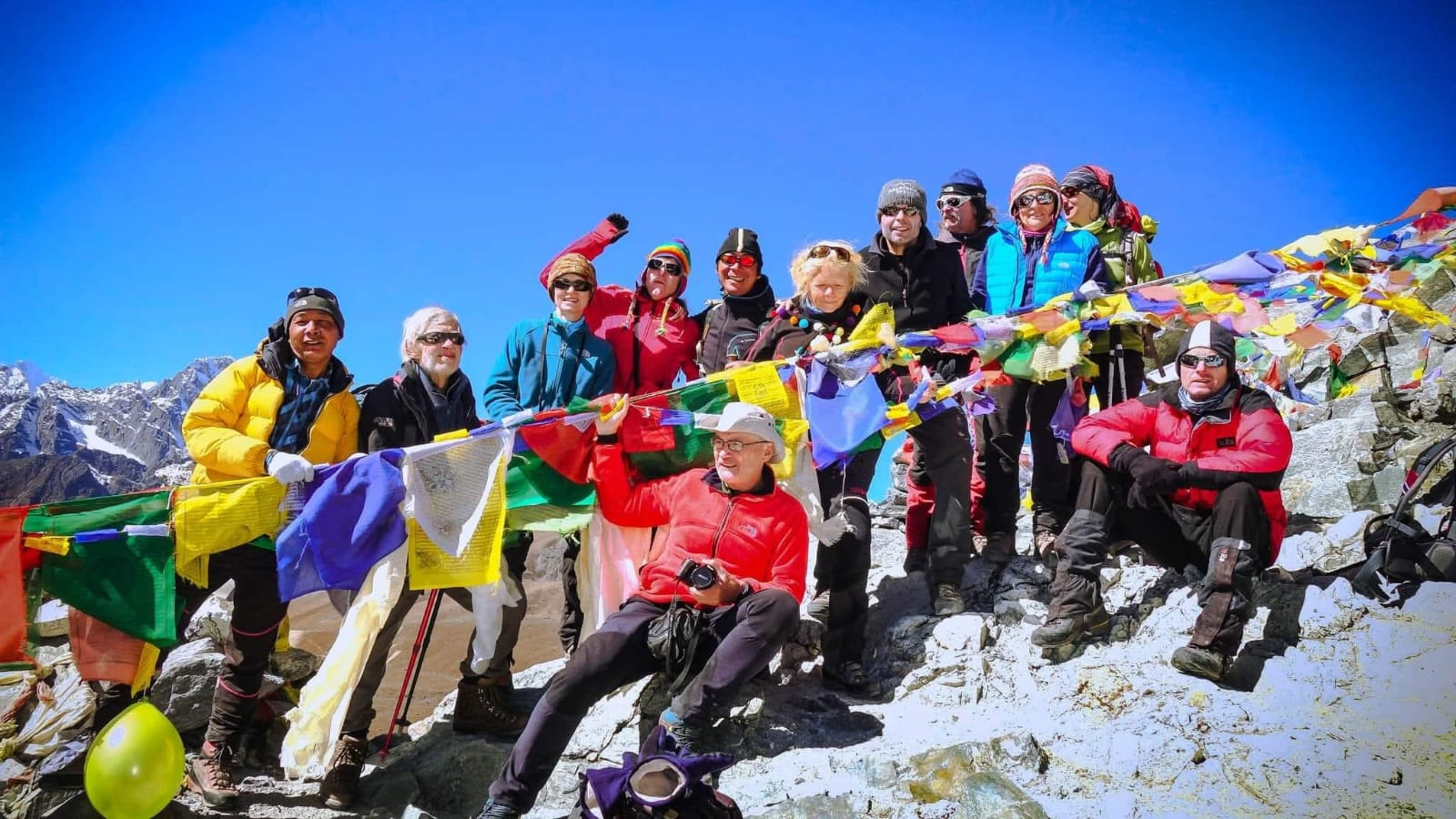
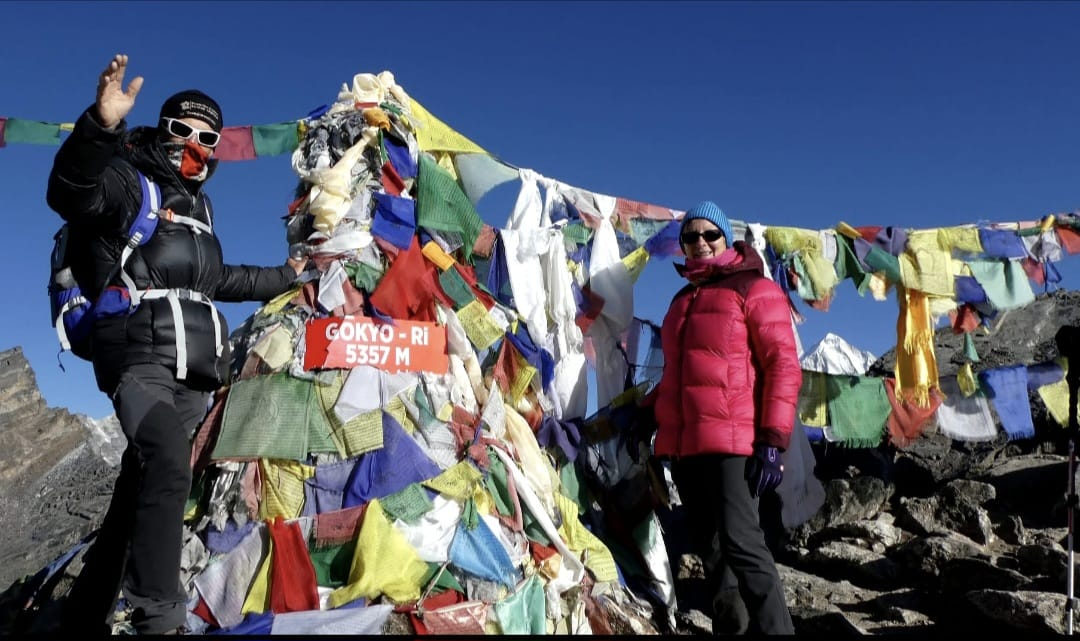
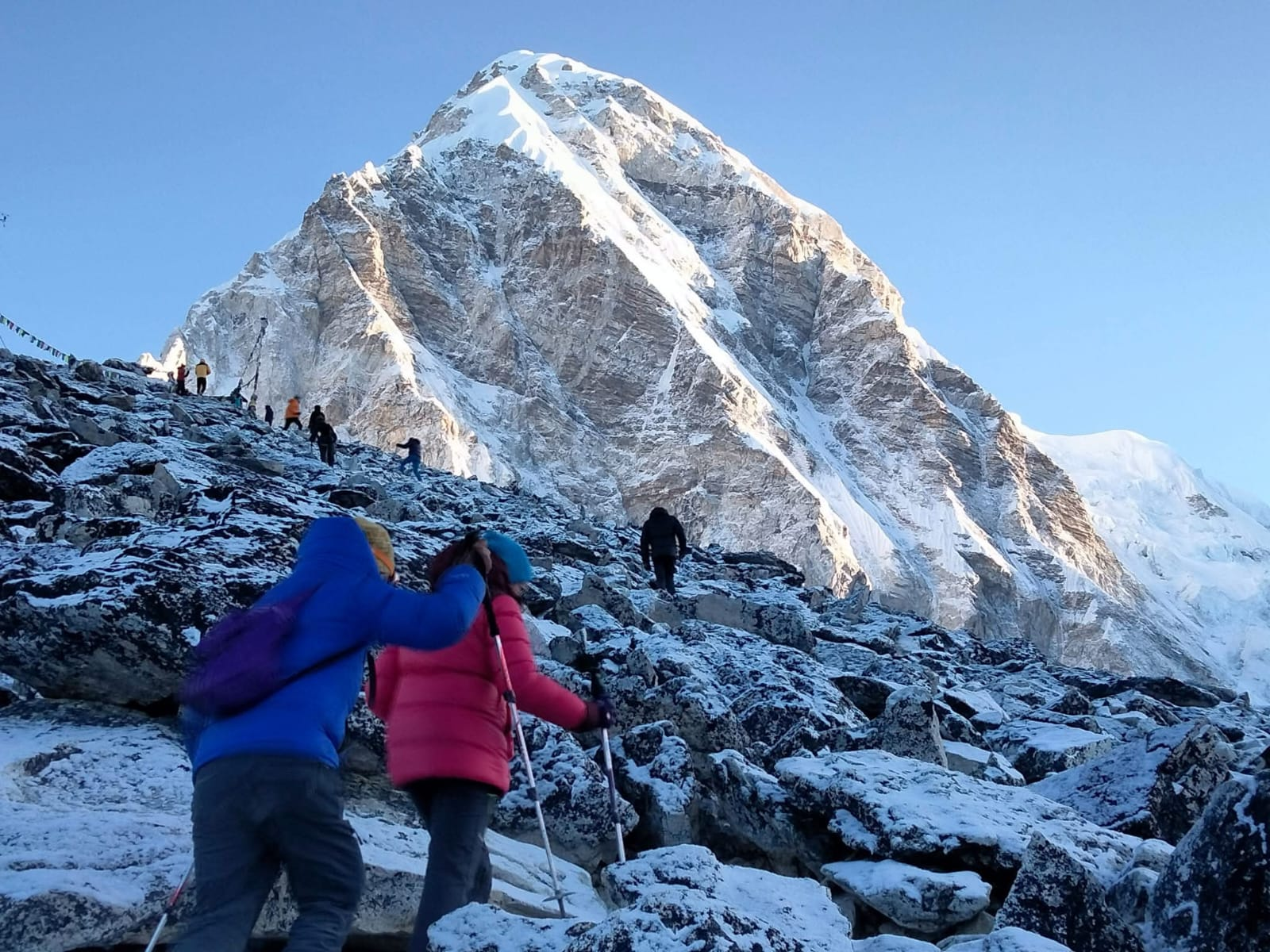
  • Hike to Gokyo Ri (5,357 m) for breathtaking panoramic views of Mount Everest, Makalu, and Cho Oyu.
  • Take an unforgettable excursion to the Fifth Gokyo Lake for spectacular Himalayan scenery and close-up mountain views.
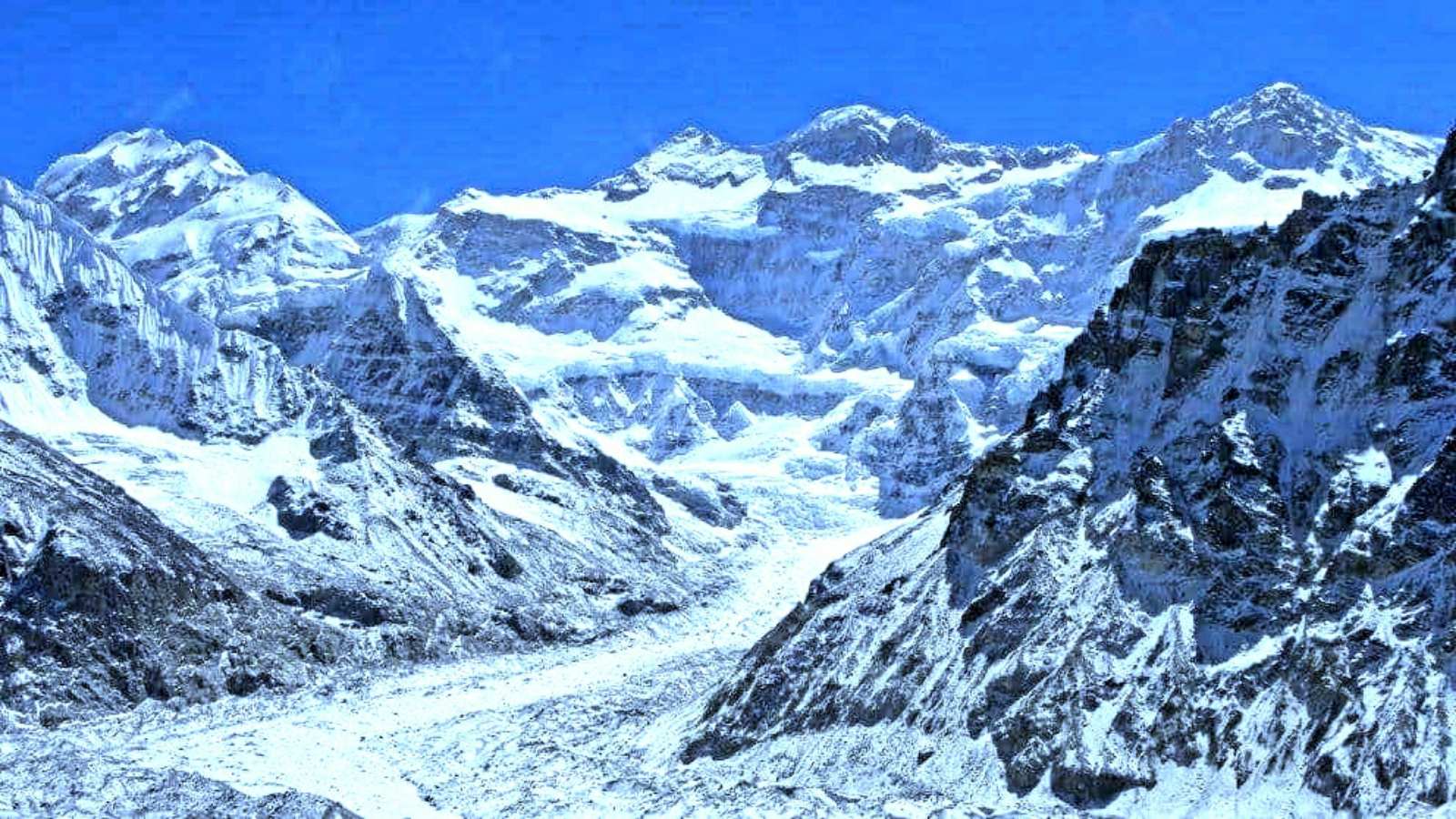
  • Explore the magnificent Ngozumpa Glacier, the longest glacier in the Himalayas and one of the largest in the world.

Fixed Departures

*Size: minimum Pax(4)

We’re here to get you on your way!

If you have any questions about your trip, travel dates, or itinerary, feel free to call or email us.

If you’d like to choose your own date, please fill out the enquiry form.

Enquiry Now

If you’d like to choose your own date, please fill out the enquiry form below.

Itinerary

YOUR DAY-TO-DAY JOURNEY

Day 1

Arrive at Kathmandu, the capital city of Nepal. Upon your arrival you will be provided with a comfortable hotel room as per our service.

Day 2

The trek starts with you departing from Kathmandu via a flight to Lukla, which approximately
takes 35 to 40 minutes. Lukla is technically an entry point for all the tourists who want to get a
glimpse of what Mount Everest and other mountain peaks have to offer. Descending from Lukla
(2860 m) to Phakding village (2610 m) ends the first day of the trekking. Our first night is spent
in Phakding.

Day 3

The destination for our second day is Namche Bazar (3440 m), which is the most popular
destination among tourists who come to visit the Khumbu region every year. We spend the
night at Namche.

Day 4

For our third day, we will be resting at Namche Bazaar and preparing for our upcoming trek for the next day. Which is also known as Acclimatization Day.

Day 5

Ascending from 3440 m to 3788 m will take us to Thame, a small Sherpa village situated in the
Everest trekking region. At a distance of about 8.5 km from Namche, mountain views, waterfalls,
and villages along the way make the overall journey much more satisfying. Sundar Peak (5368
m) and the spectacular sunrise view above Mount Thamserku are not to be missed. We stay
here overnight and be prepared for the next day.

Day 6

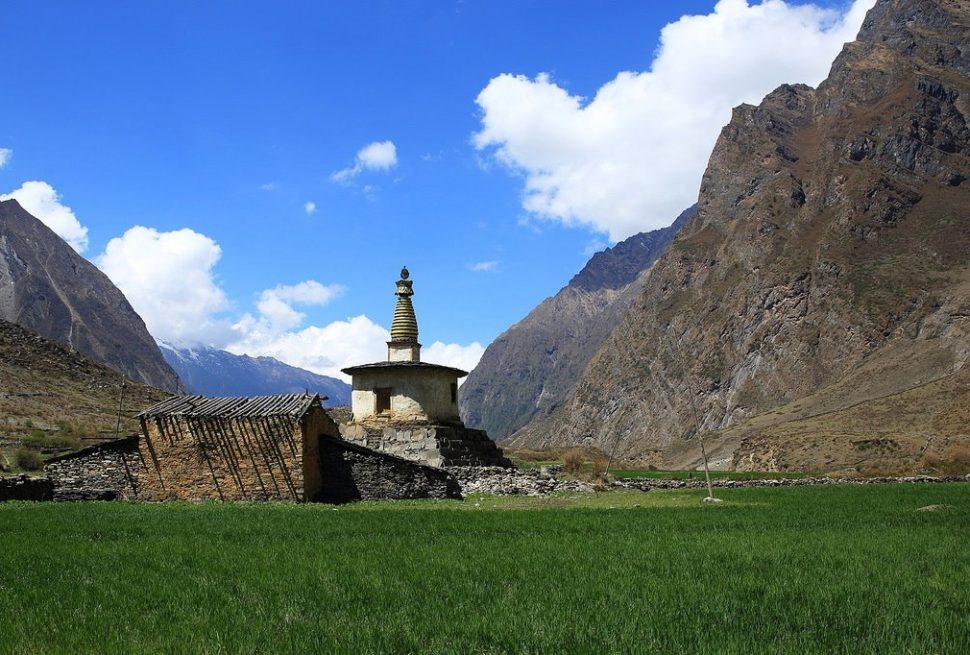
On the fourth day, our journey starts from Thame and ends in Khumjung Village, which lies at an altitude of 3790 m above sea level. The village provides the scenic beauty of Mount Khumbila (5761 m). Along the way, we will be witnessing different Buddhist monasteries as well as many mountain peaks. We stay here overnight.

Day 7

For the day, our stopping point will be Dhole, a small village situated just north of Khumjung and south of Machermo village. At an elevation of 4038 m, this place functions as a stopping point for the trekkers on their way to Gokyo or Mount Everest. We stay here that night in a hotel or a lodge.

Day 8

After about 5 to 6 hours of continuous trekking, we reach Machermo village, which is a small settlement in a wide side valley. Although it is a short trek, it might take a long time due to higher altitude and steep slopes at places.

Day 9

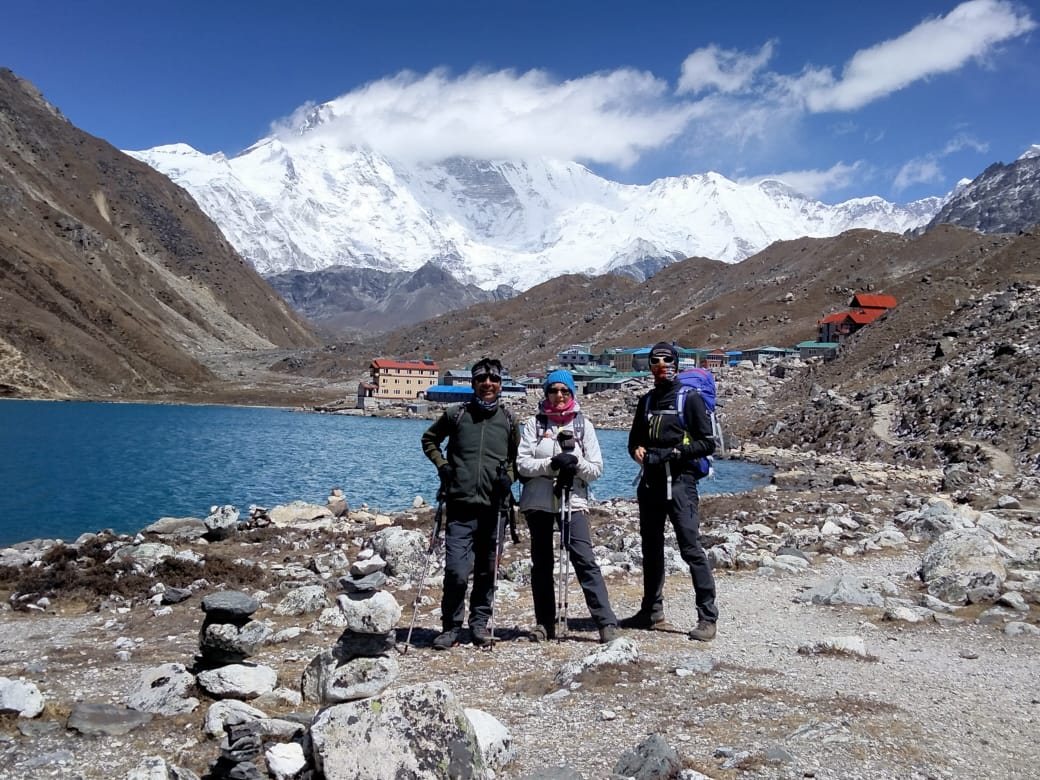
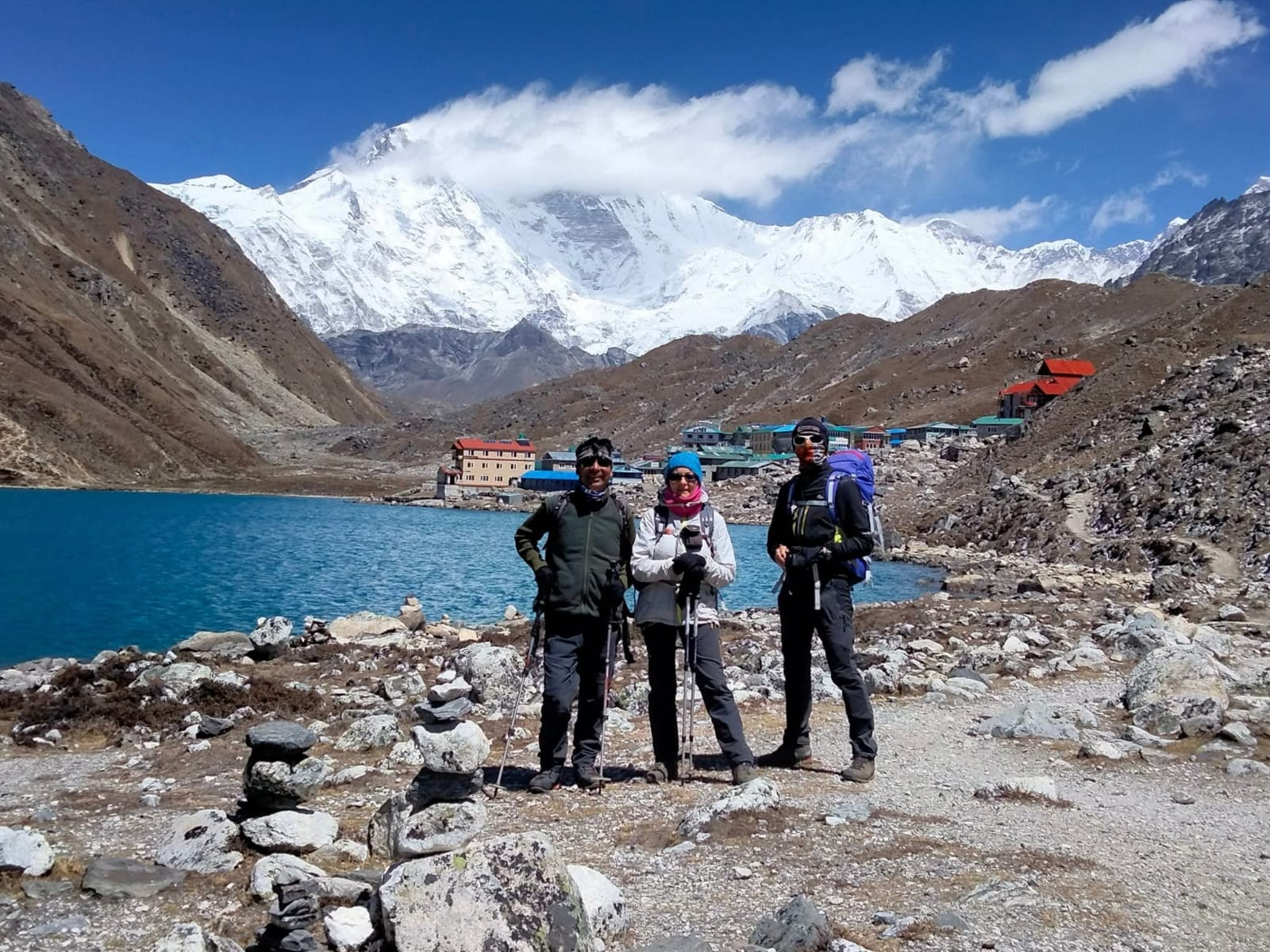
For the day, we will be climbing from Machermo to Gokyo Lake (4700 to 5000 m), which is not just a single lake but a lake system that comprises 19 different lakes spread over an area of 196.2 hectares, out of which 6 of them are widely popular.

Day 10

Upon climbing the next few meters, the Gokyo Ri (5357 m) peak, which is situated alongside the largest glacier of Nepal, Ngozumpa Glacier, is reached. Ascending to Gokyo Peak will be an experience of a lifetime where you will get to witness enchanting views of three of the Gokyo lakes, namely, Longponga, Taujung, and Gokyo Cho, more commonly known as Dudh Pokhari, which is the origin of the Dudh Koshi River. We return to Nala for our night’s stay.

Day 11

Our destination for the day will be Phorche Village, situated at an altitude of 3983 m above sea level. It is a small Sherpa village in the Dudhkoshi River valley.

Day 12

4 to 5 hours of the walk takes us back to Namche Bazar, which is the entry point of Sagarmatha National Park.

Day 13

We return to Phakding village from Namche following the same trail that we used while trekking from Phakding to Namche.

Day 14

We descend to Lukla following the same route as before. We stop at Lukla for some time, and if you are interested, then you can shop for some local items as a token of your visit.

Day 15

Return to Kathmandu via a flight on the same day and conclude our trekking.

Day 16

This will be your second-last day in Nepal. It is a rest day; thus, you can spend your day however you like. You can use the day to roam around some local markets and do some shopping. Or, you can do sightseeing at other spots in Kathmandu that you have missed. Tonight, you’ll have a farewell dinner. You will spend your night in Kathmandu.


  • Meal : D
Day 17

Today, you will leave Nepal; thus, we will drop you off at the airport as per your flight schedule.

Note: Due to the unpredictable mountain weather conditions around Lukla, flights are often subject to delays or cancellations, which may occasionally result in travelers being stranded either in Lukla or Kathmandu. For a smooth and stress-free journey with Dudhkunda Adventure Treks, we strongly recommend keeping at least two buffer days after your trek. This extra time helps avoid disruptions to your onward travel plans and also allows you to enjoy sightseeing in Kathmandu or explore the city at your own pace.

Trip Accomodation Summary

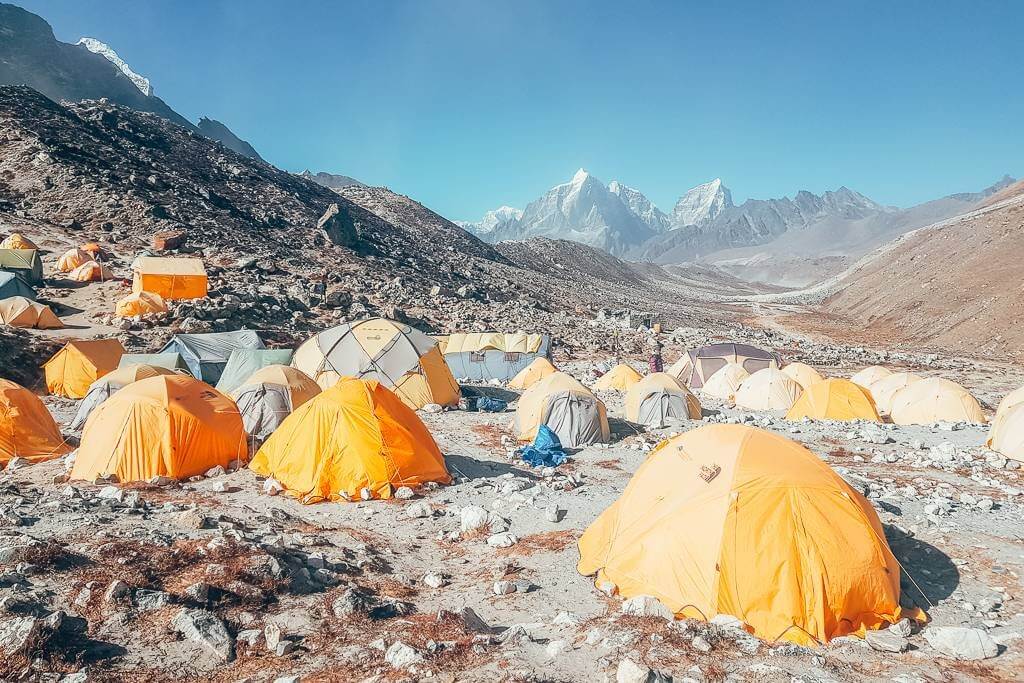
This tour includes a 3-star hotel in Kathmandu within walking distance of Thamel or near Boudhanath and tea house accommodation during the trek. Tea houses are basic but comfortable and provide a simple, authentic mountain experience with limited facilities in remote areas.

Included

  • Airport pick-up and drop-off in Kathmandu
  • 2–3 nights hotel accommodation in Kathmandu (with breakfast)
  • Domestic flights: Kathmandu – Lukla – Kathmandu (or Ramechhap–Lukla during peak season)
  • All ground transportation as per itinerary
  • Experienced, licensed trekking guide
  • Porter service (1 porter for 2 trekkers)
  • Accommodation in teahouses/lodges during the trek
  • Three meals a day during the trek (Breakfast, Lunch, Dinner)
  • Fresh fruits after dinner (seasonal)
  • All necessary trekking permits:
    • Sagarmatha National Park Permit
    • Khumbu Pasang Lhamu Rural Municipality Permit
  • First aid medical kit carried by guide
  • Government taxes and service charges
  • Trekking map and company T-shirt (optional)

Not Included

  • International airfare to and from Nepal
  • Nepal entry visa fees
  • Travel insurance (mandatory, including emergency evacuation)
  • Personal trekking gear (down jacket, sleeping bag, etc.)
  • Meals in Kathmandu (except breakfast and farewell dinner)
  • Extra accommodation in Kathmandu due to early return or flight delays
  • Personal expenses:
    • Hot showers
    • Wi-Fi and battery charging
    • Drinks (tea, coffee, bottled water, alcohol)
  • Tips for guide and porter (expected but not mandatory)
  • Emergency rescue and evacuation costs (covered by insurance)
  • Any additional costs due to unforeseen circumstances (weather, strikes, flight cancellations)
FAQ

ESSENTIAL INFO

Most nationalities require a visa to enter Nepal, which can be obtained either in advance
or upon arrival at the airport. Current visa on arrival fees are as follows:

  • US $30 for 15 days
  • US $50 for 30 days
  • US $125 for 90 days

All visa types are multiple-entry. European passport holders can pay in the Euro or
Pound Sterling equivalent. Visa on arrival payment must be made in cash (USD, EUR or GBP).

You will need one passport-size photo. Upon arrival, fill out a visa application
form either manually or using the electronic visa registration kiosks (for e-passports).
First, pay the visa fee at the designated counter, then proceed to immigration for your
visa stamp. Queues can be long, so it is recommended to prepare in advance or
consider an e-visa to save time.

Important exceptions

  • Indian citizens do not need a visa.
  • Nationals of certain countries (e.g., Afghanistan, Nigeria, Ghana, Cameroon, Iraq, Somalia, Syria, etc.) must obtain a visa in advance from a Nepalese embassy.


No vaccinations are required for entry into Nepal, but travelers should ensure routine vaccinations such as Tetanus, Diphtheria, Polio, Typhoid, and Hepatitis A are up to date. Malaria risk is limited to some low-altitude regions, including Chitwan, while dengue fever can occur in various parts of the country. Using insect repellent and protecting against mosquito bites is recommended. For high-altitude treks, there is a risk of Acute Mountain Sickness (AMS). Proper acclimatization, staying hydrated, and recognizing symptoms early are essential for a safe trekking experience.

Depending on your meal plan, breakfast is included throughout the trip. On trekking days, breakfast is provided as a set menu featuring local, high‑energy foods such as Tibetan bread, eggs, seasonal fruit and tea or coffee. Any additional items must be ordered and paid for separately. Lunch and dinner are not included at the same teahouses, giving you the flexibility to choose from lodge menus, which generally offer a good mix of local dishes like dal bhat and simple international food. We recommend avoiding meat on trek due to hygiene and storage concerns. Please note that imported food and drinks are more expensive on the trail.

Staying hydrated is essential, especially at high altitude. We recommend drinking 3–4 liters of water per day. To help reduce plastic waste, avoid purchasing bottled water. Most teahouses provide free drinking water, which should be purified before use. Carry a reusable water bottle and use water purification tablets or a UV purifier for safe drinking water. Boiled water is also available at teahouses for an additional cost, with prices increasing at higher elevations. During camping sections, safe boiled drinking water is provided.

The best time for trekking in Nepal is from October to May, when weather conditions are generally clear and stable.

  • Autumn (September–November): Clear skies, excellent mountain views, and comfortable trekking temperatures. Nights at higher elevations can drop below –10°C.
  • Spring (March–May): Warmer temperatures, blooming rhododendrons, and longer daylight hours. Lower elevations can reach 35°C.

Temperatures decrease with altitude. While Kathmandu ranges from 15–35°C, higher mountain regions are much colder, with nights often below freezing. Mountain weather can change rapidly, and snowfall is possible at any time. Proper warm clothing and layered gear are essential for a safe and comfortable trek.

Pricing & Booking

Standard Price

On Request

Total Price
USD
Essentials

Equipment Checklist

Have all the necessary details and essentials in place for a safe and pleasant trip.

Clothing/Daily Wear

  • Hiking Boots
  • Runners or Sandals
  • Mid-weight Hiking Socks x 5
  • Shorts x 1
  • Lightweight Trekking Trousers x 1
  • Synthetic/Wool/Silk Long Johns
  • Long Sleeve Base Layers x 2
  • Short Sleeve Base Layers x 2
  • Mid-weight Fleece x 2
  • Down Jacket
  • Waterproof Jacket
  • Waterproof Poncho or Umbrella
  • Waterproof Trousers
  • Fleece Hat & Sun Hat (wide brim)
  • Balaclava/Buff
  • Sunglasses (category 3)
  • Lightweight Synthetic Liner Gloves
  • Down Mitts

Trekking Gear/Equipment

  • Warm Sleeping Bag
  • Rucksack
  • Dry Bags
  • Water Bottle/Water Bladder
  • Walking Poles x 2
  • Head Torch with Spare Batteries

Medical/Safety

  • Current Medications
  • Paracetamol & Ibuprofen
  • Rehydration Salts
  • Anti-diarrhea Tablets
  • Alcohol Wipes
  • Hyoscine Butylbromide (for stomach cramps)
  • Laxatives (for constipation)
  • Antihistamine (for allergic reaction & sleep difficulty)
  • Throat Lozenges / Strepsils (for sore throat)
  • Nasal Spray/Ointment

Hygiene & Personal Care

  • Hand Sanitizer
  • Insect Repellent
  • Sun Cream (at least SPF 30)
  • SPF Lip Balm
  • Small Towel for Washing
  • Toiletries (as little as possible)
  • Toilet Paper (2 rolls) & Tissues

Electronics

  • Power bank (10,000–20,000 mAh)
  • Charging cables and wall charger
  • Universal travel adapter
  • Headlamp or flashlight
  • Camera and spare batteries (optional)
  • GPS watch/device (optional)
  • Waterproof pouch or dry bag

General /Important Documents & Items

  • Travel Insurance & Passport Photocopy
  • Vaccination / Medical Condition Booklet
  • Personal Snacks
  • Spare Set of Clothes

Read More From Our Travelers

Enquire Now

PLAN YOUR NEXT TREK IN NEPAL WITH OUR TRAVEL EXPERTS

Start your Himalayan journey with confidence. Our travel experts are always available to assist you instantly via WhatsApp or email.

Send us your query; we aim to respond within 24 hours.