A Travel Experience That Goes Beyond Sightseeing

-
Whatsapp +977-9704826139
- Plan A Trip
We Care
Our Commitment to community & environment
Every trek you book directly supports local communities and conservation in the Himalayas.
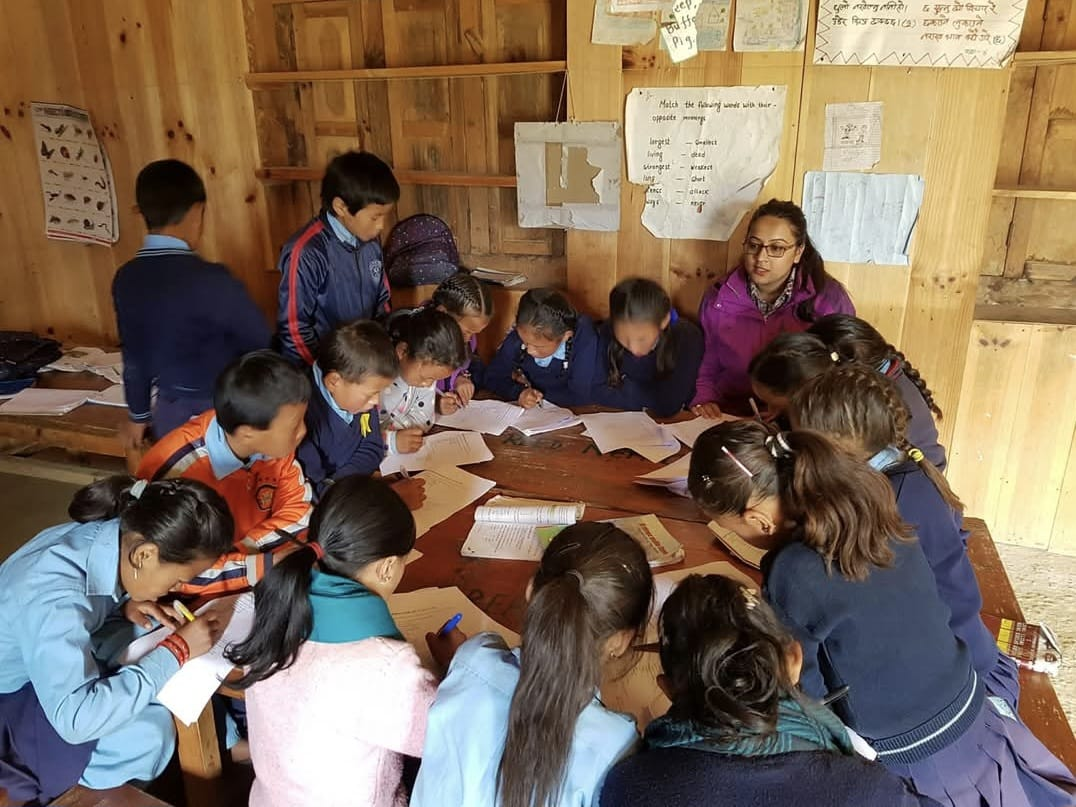
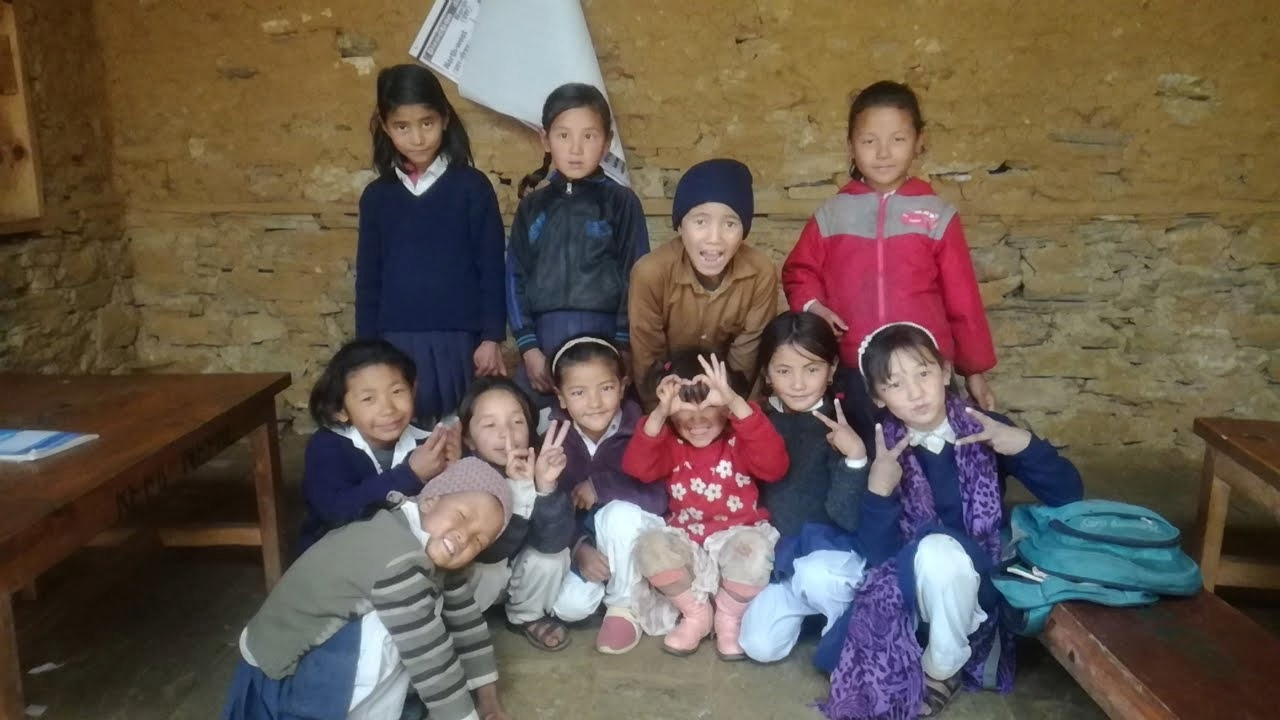
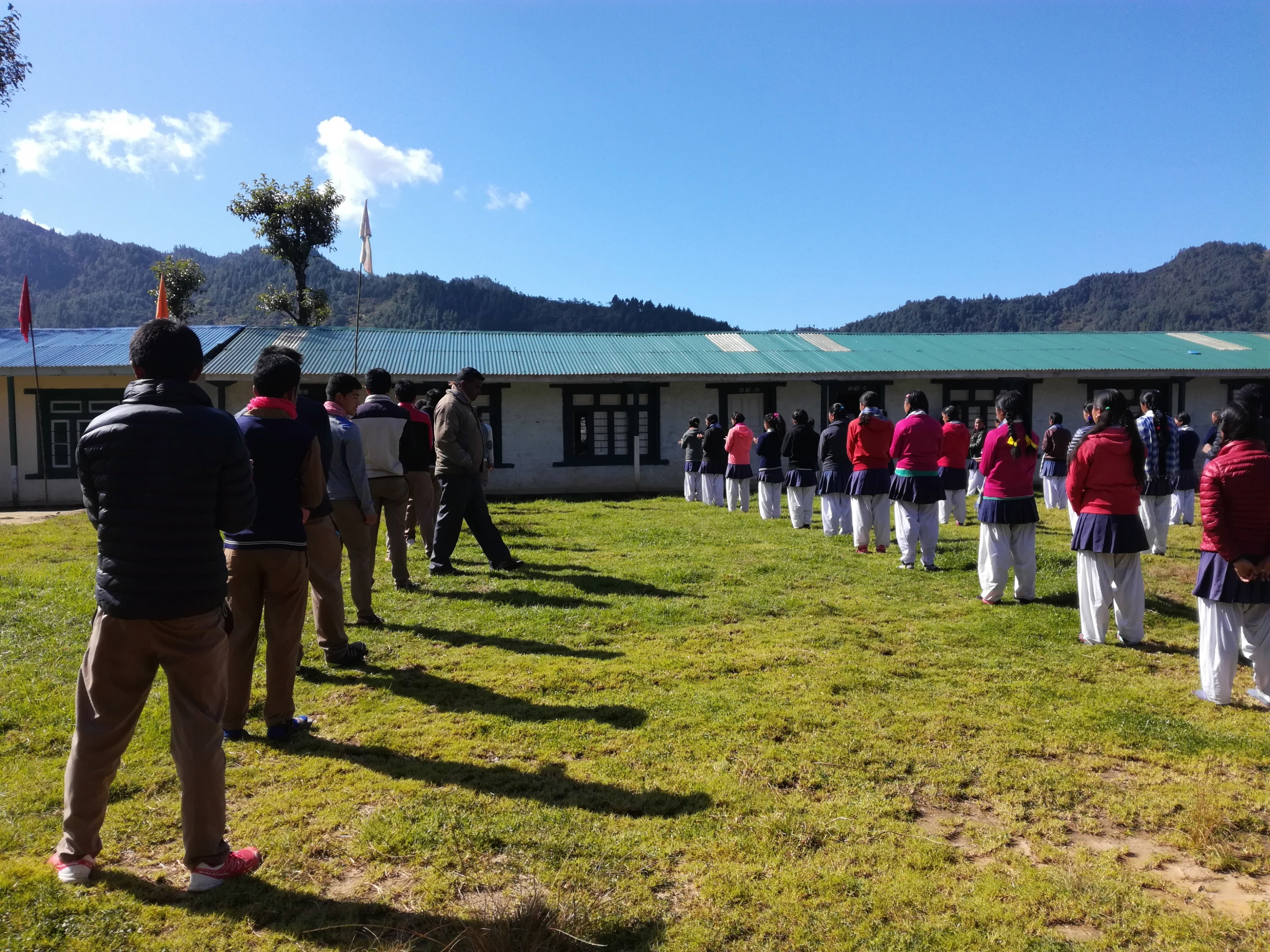
7+more Schools
Education Support
Education support is a core pillar of sustainable community development, ensuring that children and young adults have access to quality learning opportunities regardless of their background. By investing in schools, scholarships, and educational materials, this initiative helps bridge the gap between underserved communities and essential knowledge resources. It empowers students not only to complete their basic education but also to pursue higher studies or vocational training, creating long-term pathways out of poverty. Supporting education also strengthens communities by fostering critical thinking, confidence, and the ability to contribute meaningfully to society.
Beyond financial assistance, education support often includes mentorship programs, teacher training, and infrastructure improvements such as building classrooms or providing digital tools. These efforts create a more holistic learning environment where students can thrive academically and personally. When education is prioritized, it leads to improved health, increased employment opportunities, and greater gender equality. Ultimately, investing in education builds a foundation for sustainable growth, benefiting not just individuals but entire communities for generations.

Zero Plastic
Eco Trekking
Zero Plastic initiatives focus on reducing and eventually eliminating the use of single-use plastics, which are one of the leading contributors to environmental pollution. By promoting reusable alternatives, responsible consumption, and proper waste management, this approach helps protect ecosystems, wildlife, and human health. Plastic waste often ends up in rivers, oceans, and natural landscapes, taking hundreds of years to decompose and causing irreversible damage. A Zero Plastic commitment encourages individuals and organizations to rethink their daily habits and adopt more sustainable practices.
Implementing zero-plastic policies involves more than just avoiding plastic bags; it includes using eco-friendly packaging, encouraging bulk purchases, and supporting businesses that prioritize sustainability. Education and awareness play a crucial role in changing behavior, as people become more conscious of their environmental impact. Over time, these small but consistent actions lead to significant positive changes, reducing pollution and conserving natural resources. A zero-plastic lifestyle not only benefits the environment but also promotes a cleaner, healthier future for all.

Fair Wages
Porter Welfare
Fair wages ensure that workers are compensated justly for their labor, reflecting the value of their skills, time, and effort. This principle is essential for maintaining dignity, reducing inequality, and promoting economic stability within communities. When workers receive fair compensation, they are better able to support their families, access basic necessities, and invest in their futures. Fair wages also contribute to higher job satisfaction and productivity, as employees feel respected and motivated in their roles.
In addition to providing a livable income, fair wages policies often include safe working conditions, reasonable working hours, and equal pay for equal work. These standards help create ethical and sustainable business practices that benefit both employers and employees. Organizations that commit to fair compensation build trust and loyalty among their workforce while also appealing to socially conscious consumers. Ultimately, fair wages are not just an economic issue but a moral responsibility that drives inclusive growth and long-term development.

95% Local
Local Economy
The 95% local principle emphasizes sourcing the majority of products, services, and workforce from local communities. This approach strengthens local economies by creating jobs, supporting small businesses, and keeping financial resources within the region. By prioritizing local suppliers and talent, organizations reduce dependency on external sources and foster a sense of community ownership and pride. It also allows for more authentic experiences, especially in industries like tourism, where local culture and traditions play a significant role.
Additionally, sourcing locally reduces transportation needs, which in turn lowers carbon emissions and environmental impact. It promotes sustainability while ensuring that economic benefits are distributed more evenly among community members. The 95% local approach also helps preserve cultural heritage, as local artisans, guides, and service providers continue to practice and share their traditions. Overall, this model creates a balanced ecosystem where economic growth, cultural preservation, and environmental responsibility go hand in hand.