A Travel Experience That Goes Beyond Sightseeing

-
Whatsapp +977-9704826139
- Plan A Trip
Discover Hidden Gems: Nar Phu Valley Trek
Publish on : May 29, 2026
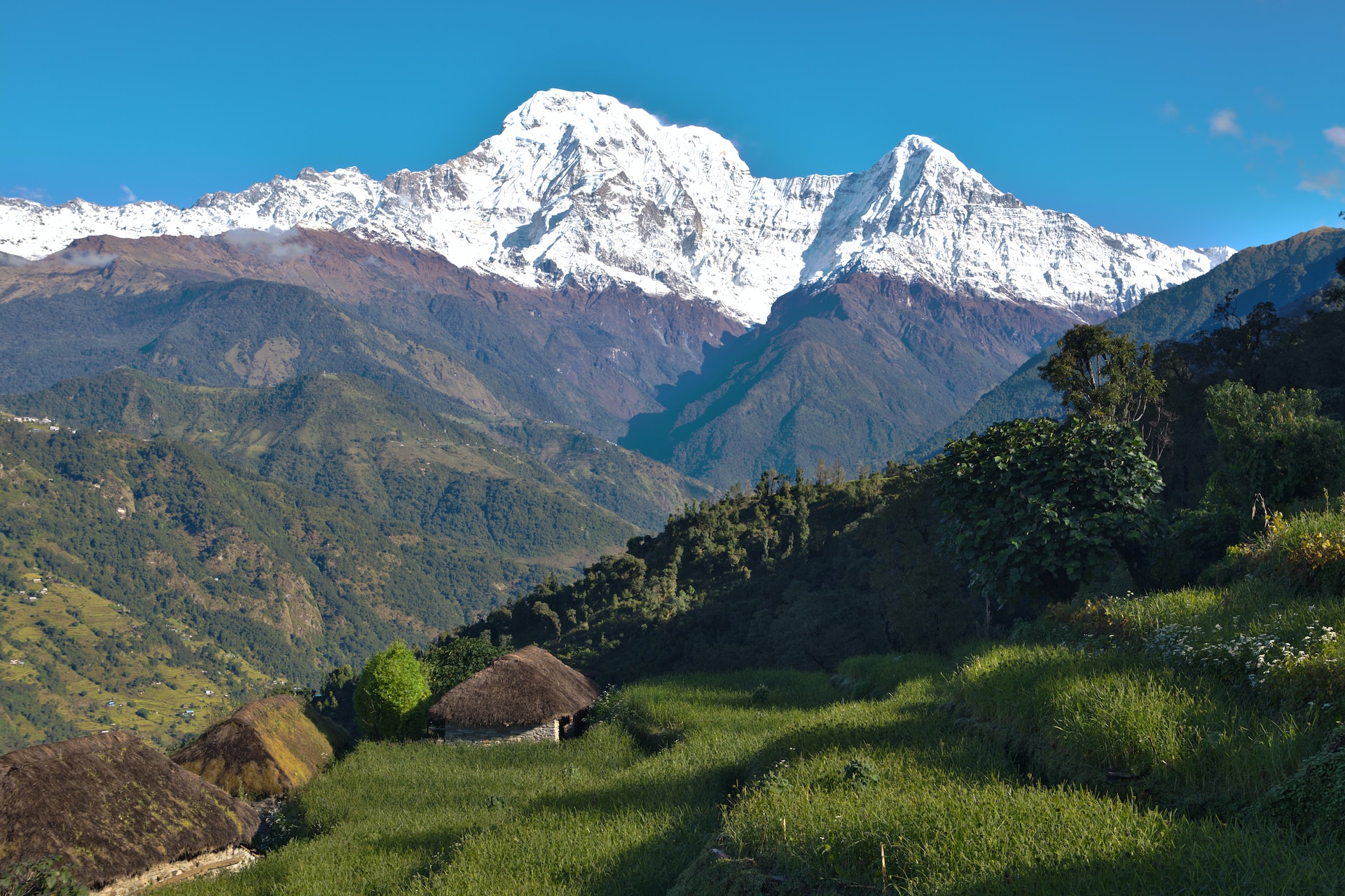
Nepal is known worldwide as a trekking paradise. The beautiful country offers some of the most breathtaking trekking experiences on the planet. However, among the many renowned treks in Nepal lies a hidden gem, the Nar Phu trek, nestled in the Annapurna region.
Often overshadowed by more popular treks, Nar Phu offers a unique and less-trodden path for those craving an offbeat adventure.
But what makes Nar Phu Valley Trek so different?
Overview of Nar Phu Valley Trek
The Nar Phu Valley, tucked away in the Annapurna region of Nepal, is a hidden treasure for trekkers seeking an off-the-beaten-path adventure. Historically, Nar and Phu were ancient Tibetan villages that played a significant role in the salt trade route between Tibet and Nepal. The trek offers a glimpse into the centuries-old Tibetan culture and traditions that have been preserved in this secluded valley.
Geographical Location and Route Map
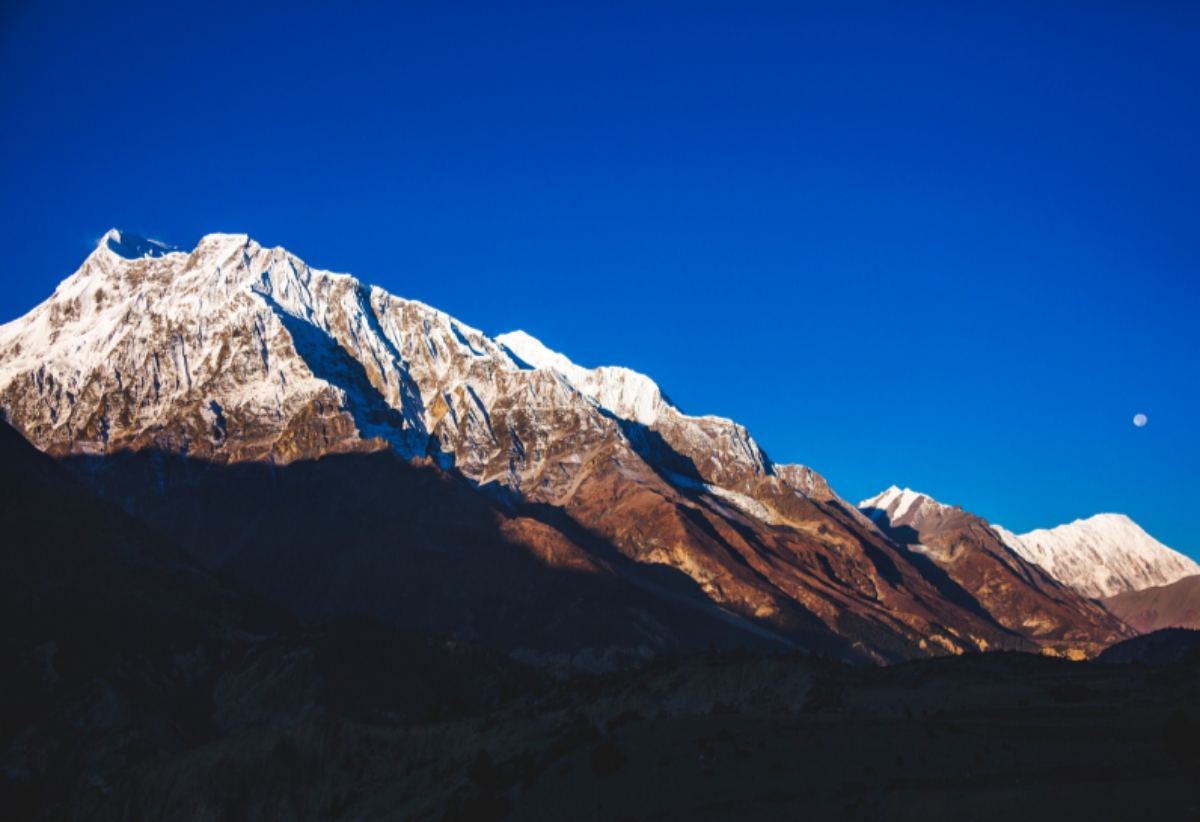
Located to the north of the Annapurna Circuit, the Nar Phu Valley trek takes you through a remote and rugged terrain, surrounded by majestic peaks, ancient monasteries, and stunning landscapes.
The route typically starts from Jagat and passes through Chame, entering the Nar Phu Valley. The trail then loops back through Manang before rejoining the Annapurna Circuit.
Highlights of the Trek
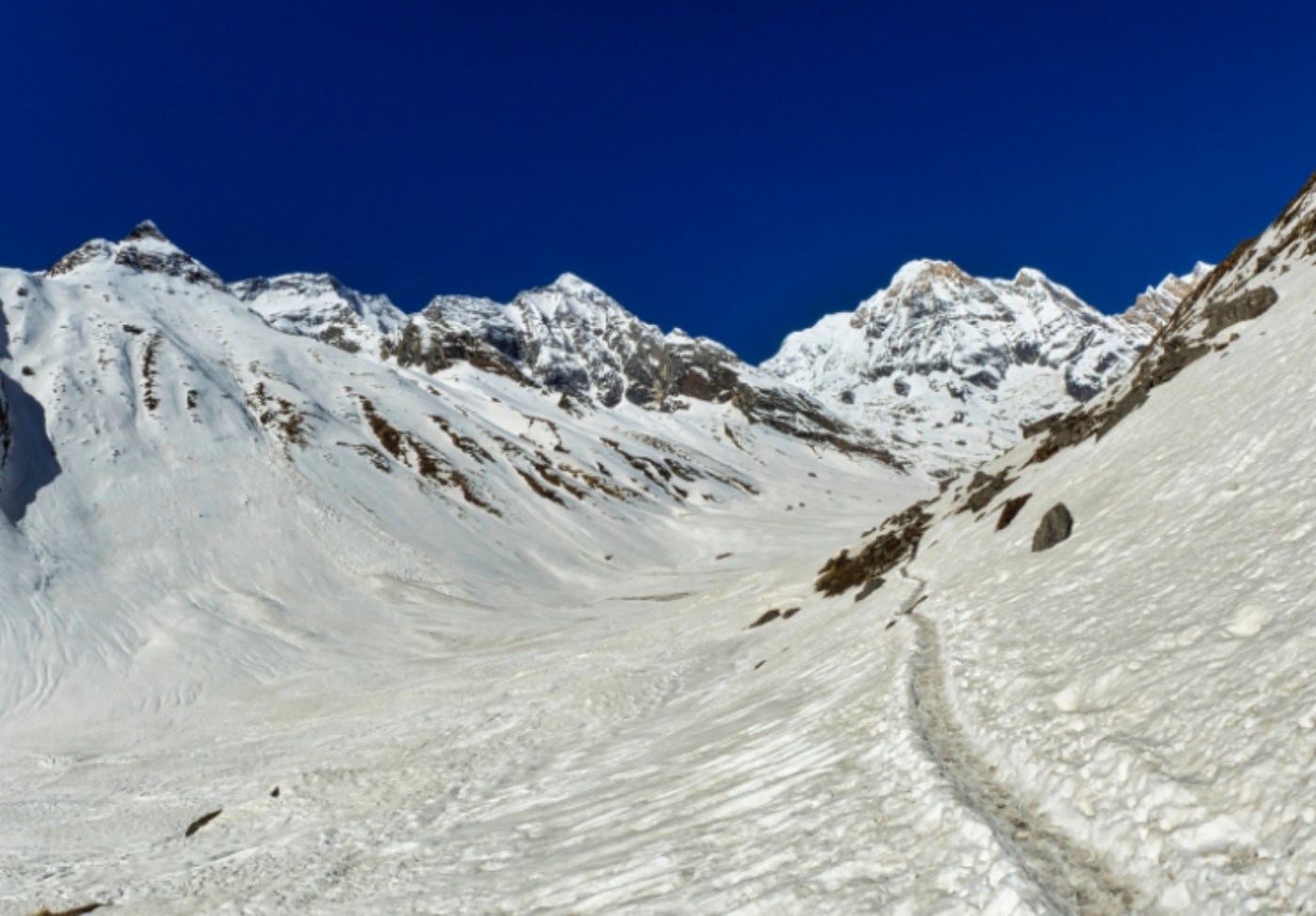
The Nar Phu trek is a unique blend of natural beauty and cultural richness. The landscape is a visual feast, offering diverse scenery like alpine forests, high-altitude deserts, and soaring peaks.
You’ll encounter picturesque villages, interact with warm locals, and explore centuries-old monasteries, providing an enriching cultural experience. The journey also provides breathtaking views of Annapurna, Himlung Himal, Gangapurna, and other stunning peaks.
Day-by-Day Itinerary of Nar Phu Valley Trek
- Day 1-2: Arrival in Kathmandu and Preparations
- Arrive in Kathmandu, the capital of Nepal.
- Spend time in Kathmandu for permit arrangements and last-minute preparations.
- Day 3-5: Drive to Jagat and Trek Start (Jagat to Koto to Chame)
- Drive from Kathmandu to Jagat, the trailhead.
- Begin trekking, passing through picturesque villages.
- Overnight stops in Koto and Chame.
- Day 6-10: Explore Nar and Phu Valleys
- Trek deeper into the Nar and Phu Valleys.
- Explore Nar Village, known for its unique culture and ancient monasteries.
- Continue to Phu Village, where you’ll experience traditional customs and interact with locals.
- Highlight stops include monasteries, dramatic landscapes, and high-altitude deserts.
- Day 11-14: Return Trek and Exploration (Phu to Manang and Back to Kathmandu)
- Begin your return journey, still enjoying the breathtaking scenery.
- Stop in Manang to explore and rest.
- Trek back to Kathmandu, concluding your adventure.
How can you prepare for the Nar Phu Valley Trek?
Permits and Regulations
Before embarking on the Nar Phu trek, it’s essential to obtain the necessary permits. The main permits include the Annapurna Conservation Area Permit (ACAP) and the Nar Phu Restricted Area Permit, which allows access to the Nar and Phu villages. These permits help in managing and conserving the natural and cultural resources of the region.
Physical Fitness and Training
Trekking in the Nar Phu Valley demands a good level of physical fitness due to the challenging terrain and high altitudes. Prioritize cardiovascular exercises, strength training, and hiking to prepare your body for the trek. Additionally, acclimatization is crucial; gradually ascend to higher altitudes during the trek to allow your body to adjust to reduced oxygen levels.
Packing Essentials
Packing right is key to a successful trek. Here’s a checklist:
- Clothing: Layered clothing for varying temperatures, rain gear, and cold-weather accessories.
- Footwear: Sturdy, well-broken-in hiking boots and extra pairs of socks.
- Gear: Sleeping bag, trekking poles, headlamp, and a backpack with a rain cover.
- Miscellaneous: First aid kit, water purification tablets, sunscreen, sunglasses, and a hat.
Remember, packing light and efficiency are crucial for an enjoyable trek. Tailor your packing list to suit your specific needs and the duration of your trek.
Relevant Trips
If you’d like more details or prefer to select your own dates, please fill out the enquiry form and we’ll get back to you.